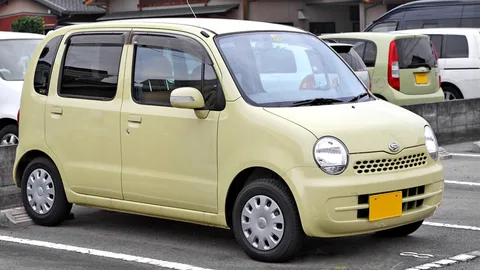
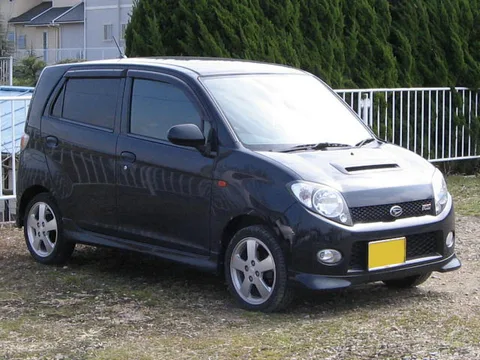
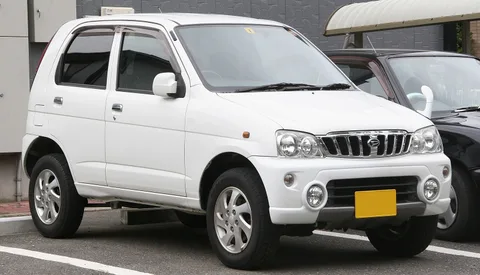
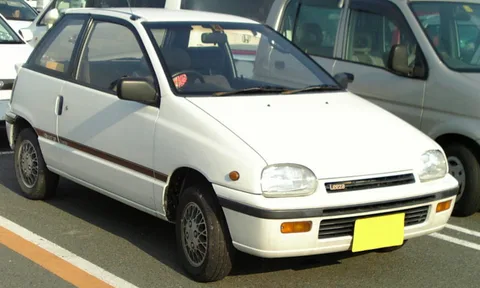
Daihatsu Storia
1998-ში სახლში გამოჩნდა Daihatsu Storia და Charade-ს ადგილი დაიკავა – ზუსტად იგივე ტექნიკით, რასაც Toyota Duet-ს ურიცხავდა. იაპონიაში Storia ერქვა, სხვაგან კი Sirion ან უბრალოდ Duet – სამივე იყო ერთი და იგივე გაჯეტი, პატარა ქალაქური კარები 90-იანების ბოლოსთვის.
შემოსვლა და გავლენა
Daihatsu-მ Charade-ს შემდგომი საფეხური 1998-ში წარადგინა. ერთ წელიწადნახევარი ორივე მოდელი მიუძღვოდა ბელტს, მერე რა თქმა უნდა Charade დაიხურა, Storia კი კომპანიის მთავარ ჯიბე-ჰეჩად იქცა. Toyota-მ ზედა პლასტიკი შეუცვალა და პროდუქტს Duet დაარქვა, საზღვარგარეთ კი გამოდიოდა Sirion-ის სახელით – ისე, რომ თითო შესახედი ცვლილება ტყუილად არ გაჰქონდათ.
დიზაინი და ზომები
Kei-car-ის გენეტიკა მიუხედავად ბ-კლასის ამბიციებისა — ხუთკარიანი ჰეჩიანი სულ 3 660 მმ გრძელია, 1 600 მმ განიერი და 1 435 მმ მაღალი. სულ 920 კგ იწონის და იმ ეპოქის ყველაზე მსუბუქი პრავილეგირებული სუპერმინი გახლდათ — ქალაქში ისე ხტება, როგორც კატა თოფის გვერდით, პარკირება სურში საშინლად ადვილია.
გასვლა და გაგრძელება
2005-ში ქარხანა გააჩერეს, Storia-ს ლოგო მაშინვე ამოიღეს, თუმცა პლატფორმა გააგრძელა გზა. ნათესავად გაჩნდა Daihatsu Boon – იაპონელების ახალი ფავორიტი, ხოლო Sirion-ის სახელი საზღვარგარეთიდან ცხრამური არ გაქრა. ამ თაობამ შემდგომი სერიოსების მენჯკალაპი დაუთოა, დიდი გავლენა კომპაქტურ კლასში დატოვა.
English version
Sold from 1998 to 2005, the Daihatsu Storia stepped in for the Charade and served as the mechanical twin to the Toyota Duet. Though marketed mostly as the first-generation Sirion outside Japan, the Storia nameplate distinguished the domestic supermini within Daihatsu’s lineup.
History & Global Reach
Daihatsu introduced the Storia in 1998 as a next-generation rear to the Charade. For one overlapping year both nameplates were built, after which the Charade ceased and the Storia became the brand’s core subcompact. Toyota marketed a lightly restyled version as the Duet, following the Corolla II, while most export markets received the car simply badged as the Daihatsu Sirion.
Design & Dimensions
With kei-car roots but B-segment ambitions, the five-door hatch measured 3 660 mm long, 1 600 mm wide, and stood 1 435 mm tall. At just 920 kg it was among the lightest true superminis of its era, giving it nimble urban handling and easy parking in tight Japanese streets.
Legacy & Replacement
When production ended in 2005, the Storia badge disappeared but its platform carried forward. Daihatsu rebranded the model range as the Boon for Japan, while the Sirion name persisted overseas, highlighting how this generation established the template for later Daihatsu compact cars.