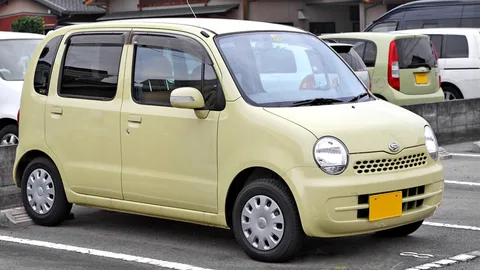
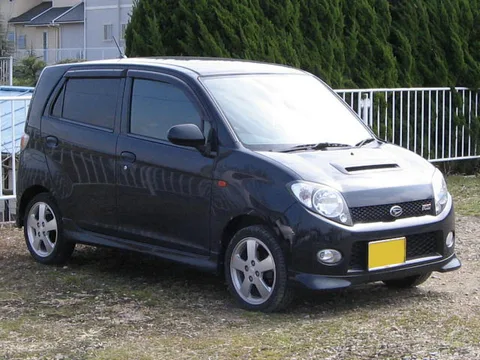
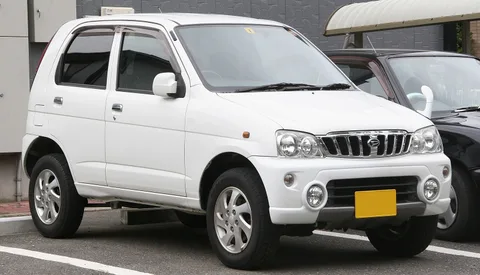
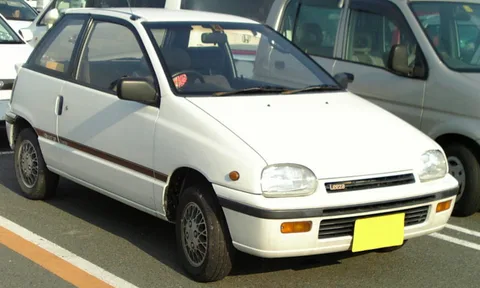
Daihatsu Charade
1977-დან 2000-მდე, Daihatsu Charade კომპანიის ყველაზე დიდი „ქომპაქტი“ იყო — ისეთი, რომელიც ყოველდღიურ სარგებლიანობას თბილად გასაჩერებელი ზომების გამო გპირდებოდა, მაგრამ მაინც „ქალაქურ“ ტიპაჟზე მცირე რჩებოდა.
ტექნიკური ტრფობა
როცა სასტუმრო ისევ 8 V ოთახურ walving-ს აკეთებდა, G11 GTti ძალიან ვიწრო 1296 კუბუ ტურბოში ჩაუკეცა 100 ცხ.-ს ცხ.-დან ლიტრზე და წონა კი 800 კილოზე ჯერ კიდევ მოკლე იყო — ფრონტძრავი კლასტერში იშვიათი სიცოცხლე იყო. შემოდგომით თაობებმა ჩაიხურეს მთლიანი ალუმინიანი თავებითა და კატალიზატორით, რაც ნიშნავს რომ მაშნვე შემუშავებული ევროპული ნორმებიც სუფთად შეტენდა, დიზაინის გაზრდას კი არავითარი გამოწისტყვა მთელ ქასკადს არ ატნბდა.
English version
Spanning four generations from 1977 to 2000, the Daihatsu Charade served as the brand’s main “large compact,” bridging daily practicality with a footprint still smaller than typical subcompacts of its era.
Purpose & Market Position
Daihatsu pitched the Charade above the brand’s kei-class Mira and below conventional compacts, creating a niche where parking-friendly dimensions met freeway-capable powertrains. Because rival kei regulations capped engine size at 660 cc, the Charade’s 1.0–1.3 L engines offered more torque without leaving Japan’s congested cities for cleaner-sheet designs, giving Daihatsu an edge in domestic and emerging export markets.
Design Lineage
Early Charades favored three- and five-door hatchback profiles paired with box-cut lines that maximized every millimeter of wheelbase. Through the 1980s the silhouette softened into more Continental curves, and by the late-1990s Gen-4 models adopted a rounded hatch with hidden C-pillar window angles to disguise their upright stance. Throughout, modular interior plastics and fold-flat seats kept the line’s reputation for swallowing cargo despite its supermini label.
Generations & Key Variants
Across four distinct generations—G10 (1977–1983), G11 (1983–1987, including turbo GTti), G100 (1987–1993 with fuel-injected 1.3), and G200 (1993–2000)—the Charade grew from 3.41 m to 3.74 m in overall length. Each step added modern EFI, available FWD or part-time 4WD, plus special high-compression “GT” trims, but export names stayed consistent, helping owners track model years.
Engineering Highlights
While most competitors leaned toward single-cam economy, the G11 GTti squeezed a 1296 cc twin-cam turbo into a sub-800 kg shell, producing 100 bhp per liter and rare front-wheel traction at the time for this class. Later generations brought full aluminum head designs and catalytic converters, ensuring the Charade met tightening emissions in Europe and Southeast Asia without bloating the chassis.