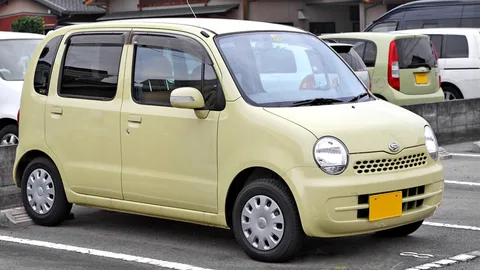
Daihatsu Max
წარმოება: 2001–2005
2001-დან 2005-მდე Daihatsu-მა Opti-სა და Sonica-ს შორის დატოვებული ნიშა – სრულიად გასაგებად – Max-ით შეავსო. პატარა ქალაქებისთვის კიდევ ერთი 3.4-მეტრიანი kei გამოუშვეს.
ისტორია & დღეები
Max 2001-ში გამოჩნდა, როგორც ერთაბრიობში წავიდა ძველი Opti, ხოლო 2005-მა უფრო ღრმა ბასრ დიზაინს – Sonica-ს – გადააწოდა. სახელი კი ძველ ეპიტეტს ეკენწებოდა: 60-იანი „Daihatsu Fellow“ შემდეგ 1977-ის „Max Cuore“ გახდა, ახლა კი გამომცხვარში უბრალოდ „Max“ დარჩა – როგორც იქნა, მოცემული როგორც 2000-იანების მინი-ლითონი.
ზომები & ფიგურა
Kei-ს ღირსშესანიშნავი საპარლამენტო მახასიათებლები: სიგრძე 3 395 მმ, სიგანე 1 475, სიმაღლე 1 550. უფსკრული მხოლოდ 870 კგ–ია, რაც კერავს, ქუჩა-ქუჩაში მინი-ენჯინს ბრუკი შესაძლებელს ხდის.
ორთქლები & დასასრული
მხოლოდ ერთი, 01-05 თაობა გამოუშვეს. Max პერიოდული, პრაქტიკული ხიდი გახლდათ, ზოგადად რახარახა პლატფორმა, სანამ მეტად მოჩვენებული Sonica არ მოიძიბა. შოურომებს მალე დაუტოვა, ხოლო ტოკიოს ყველაზე ვიწრო ჩიხებში Bug-equivalentი კიდევ დღესაც გვხვდება.
English version
From 2001 to 2005 Daihatsu inserted the simply-named Max between the Opti and the Sonica, giving Japan’s crowded cities a fresh kei-car choice that squeezed into the strict 3.4-m class.
Background & Timeline
The Max debuted in 2001 to replace the outgoing Daihatsu Opti and, four years later, handed the torch to the sportier Daihatsu Sonica. Its naming actually taps a dormant lineage: “Daihatsu Fellow” first appeared in the 1960s, morphed into the 1977 “Max Cuore,” and was ultimately revived as just plain “Max” for the 2000s small-car wave.
Fit & Form
True to kei-car regulations, the Daihatsu Max measured 3 395 mm nose-to-tail, 1 475 mm across, and sat 1 550 mm tall. The sheetmetal clothed a protein-box footprint that tipped the scales at merely 870 kg—light enough to let its micro-engines feel sprightly in Tokyo traffic.
Generations & Legacy
Offered only in a single generation, the 2001-2005 Max proved a brief but practical bridge. It delivered an economy-focused platform before bowing out to the more aggressively styled Sonica, vanishing from showroom floors but still spotted today as an unobtrusive runabout in Japan’s narrowest alleys.