Bugatti Type 57
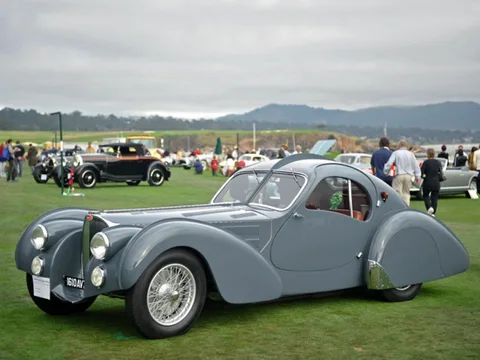
1934–1940 წლებში, ბუგატის საწარმო მოლზაიმში აწვდიდა Type 57-ს – სწორხაზიანი, ღერძული რვაცილინდრიანი GT, რომელიც ჟან ბუგატიმ ეტორეს წინა მოდელების შემცვლელად დახატა სუფთა ფურცლიდან.
დიზაინი და ტექნიკა
ჟანმა მამის სარბოლ კონცეფციებს გვერდი აუარა და სრულიად ახალ შასიზე ააწყო გზაზე გამოყვანილი მანქანა. Type 57-მ წამოჭრა ორმაგი განპირის მქონე რვაცილინდრიანი, თავისივე გადაცემათა კოლოფთან ერთად ჩამოსხმული; ხოლო დაბალდაცემ აეროდინამიკას Figoni et Falaschi, Gangloff და Vanvooren კაროსერიებმა სავარაუდოდ ყველაზე ფანტაზიურმა პერალიებად აქციოეს.
გამოშვება და რიცხვები
პირველი შასის 1934-ში გასვლიდან 1940-ში საფრანგეთის დაცემამდე, მოლზაიმის ფაბრიკა ზუსტად 710 Type 57-ს გამოუშვა. ამ რიცხვში შეყოვნდა Grand Tourer, მსუბუქი 57T, იშვიათი შტურბოს სერია 57C, და ზედმეტად მსპა Atalante-ები და Gangloff-ის ვარიანტები – ყველა ერთ ძვალ-რბილზე.
მემკვიდრეობა
1940-ის შემდეგ უშუალო შემცვლელი აღარ გამოჩნდა, მაგრამ Type 57-ის აურა დაფარული ტიპ 101-ში გადადიოდა. უფრო მნიშვნელოვანი – მისი დინამიკური ხაზები და ორმაგი განპირშე მძლავრი ძრავა 1950-იანი წლების GT-ების – Aston Martin-ებიდან Ferrari-კებამდე – გაზომვის კრიტერიუმად იქცა, რაც Bugatti-ს რაკეტაინჟინირის და კაროსერიის პატრონის რეპუტაცია სამარადისოდ დაიმკვიდრა.
English version
Between 1934 and 1940 the Bugatti works in Molsheim produced the Type 57, a high-speed grand tourer penned by Jean Bugatti as a clean-sheet replacement for his father’s earlier eight-cylinder models.
Design and Engineering
Jean Bugatti moved beyond Ettore’s race-focused engineering and created a dedicated road car on an entirely new chassis. The Type 57 introduced a twin-cam straight-eight with separate cylinder head and integral gearbox, while the aerodynamic bodies—many shaped in-house but clothed by Figoni et Falaschi, Gangloff and Vanvooren—turned customers’ coupes and cabriolets into rolling sculptures.
Production and Numbers
From the first chassis rolled out in 1934 until production stalled with the fall of France in 1940, exactly 710 Type 57s left the factory at Molsheim. The tally encompassed standard Grand Tourers, the lighter Type 57T, the rare supercharged Type 57C, and the ultra-light Atalante and Gangloff variants, yet all share the same underlying architecture.
Legacy
No immediate successor appeared after 1940, but the Type 57’s vibe lived on in the post-war Type 101. More importantly, its flowing lines and twin-cam engine became the template against which 1950s grand touring cars from Aston Martin, Mercedes-Benz and Ferrari were judged, cementing Bugatti’s reputation as both an engineering house and a coachbuilding patron.