Bugatti Type 23
წარმოება: 1913–1926
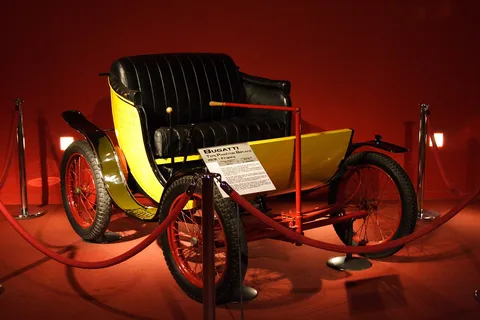
ფურიორიანი სუპერქარების დაბადებამდე, Bugatti Type 23 (1913–1926) იყო ეტორე ბუგატის პირველი სერიაში ნაშენი გზისტელი და აკრავი ხიდი მის ექსპერიმენტულ გონკა-სპორტსმენსა და მომდევნო გრანდ-ტურიზმოს შორის. Molsheim-დან სულ დაახლოებით 2 000 მანქანა ჩამოვიდა, თუმცა, სწორედ ეს მოდელი დაალაგა იატაკი შემდგომი ყველა Bugatti-ს ინჟინრულ და ესთეტიკურ კოდში.
როგორც გრანდ-ტურინგის ბაბი
Type 23-Type 13-ის ხელახლა آروპებაში გაჩნდა — პატარა ომ-წინა შასის ჩადებით პრაქტიკულ ორსავანდიან კაროსერიაში, რომელიც ქუჩაზე მშვიდად დადიოდა. რაზმულად ხელოსანმა ეტორე ბუგატიმ მოლჰაიმის საწარმოში ააგო, თუმცა, რესტერ-ის ზედაპირზე დატოვა სუპერმსუბუქი შასის და კიდევ გააძლიერა ძარღვები. იმავდროულად, მოუვიდა 1.4-ლიტრიანი OHC მოტორი — refinement-ის ახალ სიტყვაა. 1913-დან 1926-მდე Type 23 ეტაპ-ნაბიჯად იცვალა: თითოეული სუბ-ვერსია 1920-ების მერე დასამომავლობა Bugatti ტურიზმოლების წყობებამდე აკანკალებდა.
დიზაინი და ინჟინრია
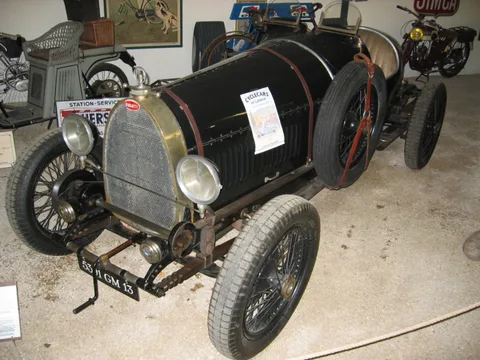
უცნაური, გრძელი horseshoe-უჯრედიანი რადიატორით ამკობს-და Type 23 და იყო გაპრიალებული ფოლადის ladder-შასისა და კვარტერი-ელიფსური ფორსული რესორებით — ესაა იგივე ფორმულა, რომელიც Bugatti-ს კლასიკურ ბეისინჯს შემდგომში შეუქმნიდა. პავერთასი 16-დან 30 საჯარო ცხენამდე ირბინებოდა, ბენერისა და კომპრესიის შესაბამისად — და ოთხსაფეხურიანი გადაშენება უკანა თბილ ლანგეტ-ზარნით აწოდებდა. შიდა ჯიბეებით პაკარათღურავი ჯაჭვები, ეს Bugatti-ს ადრეული სპორტ-მოდელების signature იყო.
მემკვიდრეობა
დღეს განსაკუთრებით არ დასკანიალი, თუმცა Type 23 დაამტკიცა, რომ ბუგატის რეის-ვარდი ტექნოლოგიები გასაქანავი და კაცუნა გამზადებული შეიძლება იყოს. აქ ჩადებული წარმოების ხერხები, სტილის ჟესტები და მექანიკური ბრტყელი გეგმა პირდაპირ გადავიდა განთქმულ Type 35-ში და უფრო გვიან ტურიზმო-Bugatti-ებში. შუმადესამდე Type 23 ოდნავ ჩუმად დარჩენილი, მაგრამ უზუსტესი წინაპარია მარკის მემართველთა ხაზში.
English version
Built before the roaring-twenty supercars, the Bugatti Type 23 (1913–1926) was Ettore Bugatti’s first series-built road car and the bridge between his experimental racers and the touring machines that followed. Only about 2,000 left Molsheim, yet the model laid the engineering and aesthetic groundwork for every future Bugatti.
Early Grand Touring
The Type 23 arrived just a year after the Type 13, dropping the tiny pre-war chassis into a practical two-seat body that could be driven on the street. Built privately by Ettore Bugatti at his Molsheim works, it retained the racer’s lightweight chassis but gained stronger axles and a refined 1.4-litre overhead-cam engine. Between 1913 and 1926 the car evolved through several sub-variants, each showing gradual steps toward the refined touring Bugattis of the late 1920s.
Design & Engineering
Wrapped in a distinctive horseshoe radiator, the Type 23 used a pressed-steel ladder frame and quarter-elliptic leaf springs—the recipe for what would become the classic Bugatti underpinnings. Power ranged from 16 to 30 hp depending on carburetion and compression, channeled through a four-speed gearbox and rear wheels via exposed chains—a trademark feature retained on early Bugatti sports cars.
Legacy
While rarely celebrated today, the Type 23 proved that Bugatti’s race-bred technology could be translated into reliable road cars. The production techniques, styling cues, and mechanical layout pioneered here were carried directly into the famous Type 35 and later grand-touring Bugattis, making the Type 23 a pivotal, if quiet, ancestor in the marque’s lineage.