Bugatti Type 30
წარმოება: 1922–1926
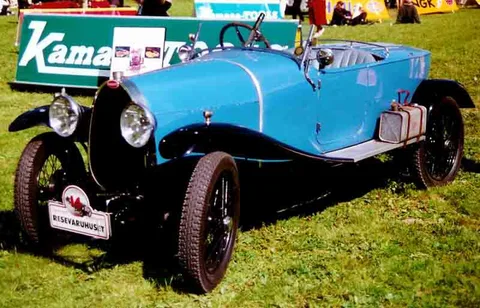
1922 წელს მოლშაიმიდან გამოსული Bugatti Type 30 გახლდათ ეტორ ბუგატის საინჟინრო მიდგომის გზავნილი შუა 20-იანებში და მარკის ადრეული მოდელების ცენტრალური ფიგურა.
ბაზრის პოზიცია და შეკერის ამბავი
1922-ის იანვრიდან 1926-ის დეკემბრამდე აწარმოებდნენ. მაშინ Bugatti პირველად ცდილობდა მხოლოდ რბოლისთვის გამოყვანილი აგრეგატები საავტომობილო ბაზარზე გაეშვა — Type 30 სწორედ ამ შესარტყმელში იდგა, ომამდელ და ომშემდგომ ეპოქას შორის ნაფოტი.
ტექნიკური იდენტობა
დოკუმენტაცია ოდნავ ნაკლებია, მაგრამ მაშინდელი სარებოტო იერარქია აჩვენებს: Type 30 ერთი სიბრტყეში ხედავდა რბოლის რვაცილინდრიან მოტორსა და მხოლოდ ტურინგს. გამოდის, შესანიშნავად ამთავრებდა — საარბიტრო ხარჯი გზაზე გადაგორებული ავტომობილი გამოვიდოდა.
რას სცადა და რა დარჩა
ოთხი წელი ჩანაწერშიც — რაღა მინიმალური, მაგრამ სწორედ Type 30-მა დაამტკიცა: გზის სიჩქარე, სტილი და ტექნიკური პერფექციონიზმი ერთ სარტყელში ჯდება. ასეთივე დნმ ჰქონდა Type 35-საც — ამიტომ Bugatti-ს ბრენდი დღესაც ეს ამბავი იხსენებს.
English version
Rolling out of Molsheim in 1922, the Bugatti Type 30 carried the torch of Ettore Bugatti’s engineering philosophy into the mid-1920s and became a key model in the marque’s early product range.
Background & production window
The Type 30 was produced from 1922 through 1926, slotting into Bugatti’s lineup during a period of rapid model diversification as the firm expanded beyond pure racing machinery. No predecessor or direct successor is recorded, underscoring its role as a standalone bridge between the marque’s pre-war and post-Great-War eras.
Technical identity & market position
Although engine and chassis details aren’t preserved in the available records, Bugatti hierarchy of the day suggests the Type 30 likely shared components with contemporary eight-cylinder offerings while being tailored to touring rather than competition use, representing factory efforts to monetise racing R&D for road-going clients.
Legacy beyond the numbers
Four short years on the production ledger may seem brief, yet the Type 30 helped establish Bugatti’s early reputation for integrating style, speed and mechanical refinement into one package—an ethos that would later peak with the Type 35 and define the brand for decades.