Bugatti Type 56
წარმოება: 1931–1936
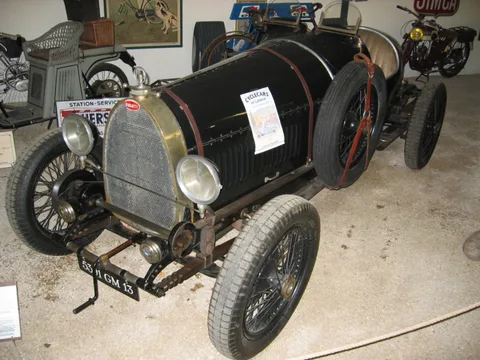
1931 წელს ეტორე ბუგატიმ შექმნა Type 56, როგორც პირადი ელექტრომობილი. 1931-1936 წლებში ამ უნიკალური ავტომობილის მცირე სერია დაახლოებით 10 ცალი გამოუშვეს. ერთ-ერთი ეგზემპლარი დღეს მულუზის ეროვნულ ავტომუზეუმშია დაცული. ეს ელექტრომობილი ბუგატის საავტომობილო დიზაინის ინოვაციურ მიდგომას გვიჩვენებს.
ისტორია
ეტორე ბუგატიმ Type 56 1931 წელს საკუთარი პირადი მოხმარებისთვის შეუქმნა. მიუხედავად იმისა, რომ თავდაპირველად უნიკალურ ავტომობილად იყო ჩაფიქრებული, საბოლოოდ მცირე სერიით 1931-1936 წლებში გამოუშვეს.
დიზაინი და წარმოება
Type 56-ის წარმოებისას სულ 10 ცალი გამოუშვეს. ეს ელექტრომობილი ბუგატის ალტერნატიული ძრავების ექსპერიმენტების შედეგად შეიქმნა.
მემკვიდრეობა
Type 56-ის ერთ-ერთი ეგზემპლარი, სავარაუდოდ ეტორე ბუგატის პირადი ავტომობილი, მულუზის ეროვნულ ავტომუზეუმში ინახება. ის ბუგატის საავტომობილო მრავალფეროვნების ამსახველია.
English version
Conceived by Ettore Bugatti in 1931 as a personal electric vehicle, the Bugatti Type 56 was produced in limited numbers between 1931 and 1936. Only 10 copies were made, with one being preserved in the National Automobile Museum in Mulhouse, France. This unique vehicle showcases Bugatti's innovative approach to automotive design.
History
The Bugatti Type 56 was envisioned by Ettore Bugatti for his personal use in 1931. Despite its initial intention as a one-off, it was eventually manufactured in a small series from 1931 to 1936.
Design and Production
A total of 10 Bugatti Type 56 vehicles were produced during its production run. The Type 56 is notable for being an electric vehicle, reflecting Ettore Bugatti's experimentation with alternative propulsion methods.
Legacy
One of the Bugatti Type 56 vehicles, believed to be Ettore Bugatti's personal car, is now part of the collection at the National Automobile Museum in Mulhouse, Alsace, France, serving as a testament to Bugatti's diverse automotive endeavors.