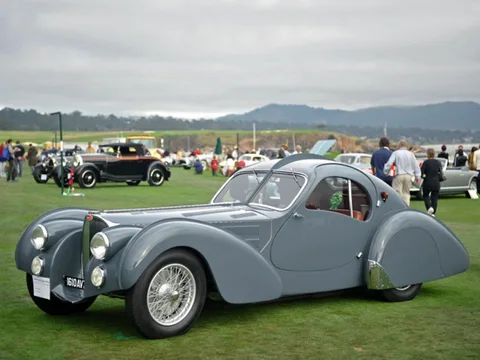
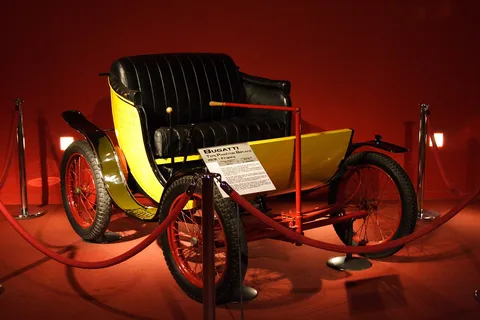
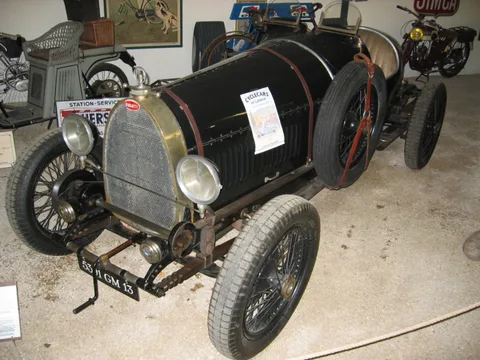
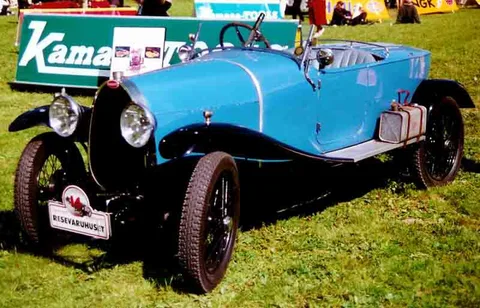
Bugatti 8-cylinder line
1922–34 წლებში, Type 57-ის მოსვლამდე, Bugatti-ს 8 ცილინდრიანი მოდელების ოჯახმა — Type 30-დან 49-მდე — დააფუძნა იმპერიული GT-ს პირველი ტალღა. ესე პირდებული რვეულები დაატარებდნენ მსუბუქ სპორტულებიდან დაწყებული — 161 კმ/სთ-ის პირველ სერიაში საარსებულ დოზამორამდე.
ტექნიკა, რომელიც ამოძრავებს
ყველა მოდელს უდევს Bugatti-ს ახალი თაობის 1 991 სმ³ სწორხაზოვანი რვა — საბეჭდა ზედა, 3 სარქველი ცილინდრზე, ერთი განაწილებელი. კრანკი — როლიკური — და კვადრატ-ზედმეტი ოთხიამპერიანი ზომები იძლევა სიმშვიდეს ბოლო ათასში, 4 სიჩვადის არგაწმენდი კოლოფი კი ყველაზე იმედიანას ადრეული მკვრივი დრამიანი საყრდენებით იყო ეხუბრება.
ევოლუციის სისწრაფე
1922-ში გამოჩნდა Type 30 — მოკლე, 75 ცხენიანი ტურერი. 1926 წელს გაიზარდა Type 38-ის გრძელბაზის ფორმაში; შემდეგ გაჩნდა დაბალმძლეოვანი Type 40 (45 hp), ორი ძრავის კადელი შიემის თავით Type 43 — 1927 წელს პირველი სერიის ავტომობილი 161+ კმ/სთ-ზე — და საბოლოოდ ფუფუნების Type 44 და გადახვევით Type 49 (1930), რომლებმაც შემაერთებელი ხაზი 1934-ს დაუქვემდებარეს.
ვერსად მელოდია არ წავა
Type 57-ის წინამორბედებითაც კი, ერთი წილი არ გაუცივდა მარადისობას — Bugatti-მ ეს შერკინებული რვეულები მუხტად ჩაიწერა და თავადიც ისე დატოვა, რომ თითქოს მთავარი კონსტრუქციული იდეა მხოლოდ მათ შემდგომ უნდა ვიპოვოთ ყოველგვარ მომავალ სუპერქარში.
English version
Between 1922 and the arrival of the Type 57 in the mid-1930s, Bugatti’s eight-cylinder family—Types 30 through 49—defined the marque’s first grand-touring generation. These straight-eight chassis underpinned everything from nimble sports tourers to the world’s first 100 mph production car.
Engineering backbone
All models shared Bugatti’s next-generation 1,991 cc straight-eight engine, o.h.c. design with three valves per cylinder and a single multi-valve. A roller-bearing crankshaft and undersquare dimensions kept revs smooth and torque accessible, while a four-speed unsyncromesh gearbox teamed with sturdy rear-wheel brakes of the period.
Variant timeline
The line opened in 1922 with the Type 30, a compact 75 hp tourer. It matured into the longer-wheelbase Type 38 (1926), then spawned the de-tuned 45 hp Type 40, the twin-carburettor hemispherical-head Type 43—the 1927 world’s first production automobile to top 161 km/h—and the luxurious Type 44 and final Type 49 (introduced 1930) that closed the family in 1934.
Legacy
Though eclipsed by the Type 57, these eight-cylinder chassis embedded Bugatti’s engineering reputation for light, strong, fast road cars and laid the foundation for the brand’s later supercar lineage.