Lotus Evora
წარმოება: 2009–2021
2008 წლის ლონდონის მოტოშოუზე დებიუტისას Lotus Evora ეშმაკურად სათადარიგო სახელით "Project Eagle" დაიძვრინა და მთელი ათწლეულის განმავლობაში Lotus-ის ბრძოლური ცენტრი გახდა. ისეთი შთაბეჭდილება დატოვა, რომ ძველი ესპრიტის კვალიც კი დავიწყებული დარჩა.
სამი თაობა ერთ «Evora»-ში
2009-ში ჩამოფრენილი ბაზის გამოშვება 280 ცხენიანი ატმოსფერული Toyota V6-ით გამოცხადდა. წელზე ახლოს, 2010-ში Evora S მოვიდა — ტურბომანქანა, ძალას 30%-ით ანაზღაურებდა. 2015 წლის ჟენევაში Evora 400 გამოცეკვა — მსუბუქი, მკვეთრი, და პირველი სერიული Lotus, 400+ ცხენებით. ორ წელიწადში, GT430 დასრულება — „ტოლს გვერდით დადგა“, Porsche GT3-ის წინააღმდეგ გამოსულიყო.
V6-ის ძვალ-უძვალე გავარჯიშება
ყველა Evora-ს გულში ერთი და იგივე Toyota 2GR-FE მოთმინებით იდგა, თუმცა Lotus არაფერს არ უთმობდა. თავდაპირველი 280 ცხენი, 345-დან S-ვერსიაში, 400-ში 400-ის. სოკე GT430 ამოიტაცა 430-მდე. 38 კგ-იანი დიეტა 400–დან GT430-ში აადგილებდა 0–100 კმ/სთ-ს 3.8 წამამდე.
შეუცვლელი ფილოსოფია
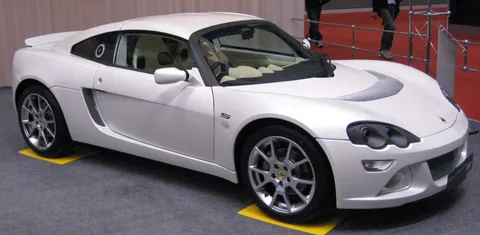
ყველაზე კარგი დიზაინი ჯაჭვის კვლავაა — Evora წვდებიანაა ჩვეულებრივი ლოტუსური ალუმინის ჩარჩოს, მაგრამ აინკრება გაზრდილ 2+2 ბაზაზე. ნორჩ ორის ბარძაყებშიც ადგილი გამოჩნდა, თან ფარია შეინახა. დაბალზე მოჭერილი ცხვირი, რაფებზე აწეული წელზე და „ჩვენეული“ მენჯი — მთელ ამ პროპორციებს გარკვეული ესპრიტის სული ჰხდის.
ბოლო ჩაპმანური ნაბიჯი
Evora ბოლო Lotus იყო, სრულად კოლინ ჩაპმანიშვილის იდეებზე დაშენებული — ელექტრიფიკაციამდე წინა დიდი წერტილი. როცა Geely მოვიდა, სამაგო იყო — უკვე ეცოდინებოდა, რომ ლოტუსმა სიმართლით შეძლო მასობრივი წარმოება. სწორედ ამ Evora-მ დაგვანახა გზა Emira-სკენ.
English version
Launched at the 2008 British International Motor Show, the Lotus Evora replaced the long-serving Esprit and carried the development code-name "Project Eagle" throughout its 12-year production run.
Evolution across three core generations
The original Evora arrived in 2009 with a naturally aspirated 3.5-litre Toyota-sourced V6. A supercharged Evora S followed in 2010, adding 30% more power. The 2015 Geneva Motor Show introduced the Evora 400—lighter, stiffer, and the first Lotus production car to exceed 400 bhp. Two years later the stripped-down Evora GT430 topped the range, aimed squarely at Porsche GT3 buyers.
Engine & performance lineage
Every Evora runs the same Toyota 2GR-FE V6 architecture, but Lotus continually refined induction and exhaust to extract 280 bhp in early cars, 345 bhp in the Evora S, 400 bhp in the 400, and ultimately 430 bhp in the GT430. Thirty-eight kilograms were shaved from the 400 to the GT430, cutting 0–100 km/h times to as low as 3.8 seconds.
Design philosophy
Retaining Lotus’s core aluminium bonded chassis, the Evora introduced a longer 2+2 wheelbase that added usable luggage space without abandoning mid-engine balance. The low nose, muscular hips, and rising waist crease effectively translate Esprit proportions into a modern coupe silhouette.
Legacy
The Evora was the last Lotus sports car developed entirely under founder Colin Chapman’s philosophy before heavy electrification investments. It proved a critical bridge, financing Geely’s later Emira platform while showing the world that Lotus could finally scale production beyond boutique volumes.