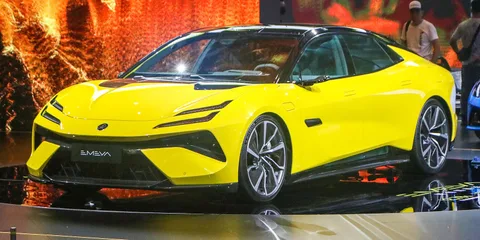
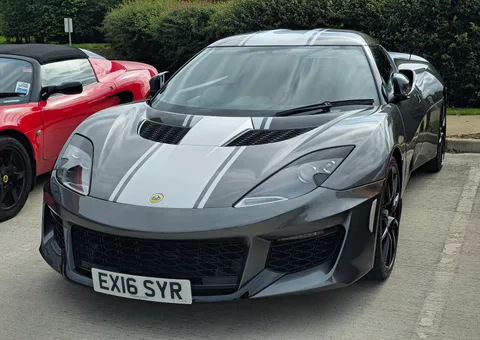
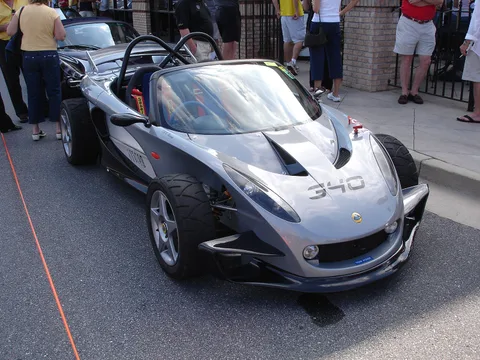
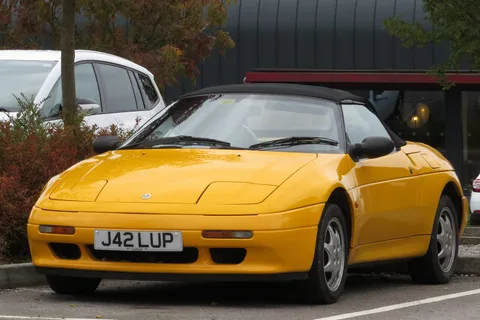
Lotus Europa S
წარმოება: 2006–
2006 წელს Europa S-ის გამოსვლით Lotus-მა მძინარე სახელწოდება გამოაღვიძა და გრანდ-ტურიზმისადმი იშვიათი მიდგომა დაანება — როგორც ელისების ტყვია-დაჭრილი ხასიათი უფრო რბილად ქლის, რათა ნაკლებად აგრესიულ მამაკაცებს სიჩქარისა და კომფორტის შეთანხმება შესთავაზოს.
ისტორია
Europa პირველად 1966–1975 წლებში არსებობდა — Lotus-ის მსუბუქ, საშუალე ძრავის გენეტიკის მქონე კუპე. სამოცდაათი წლის შემდეგ ბეჯი მაჰყურად დაბრუნდა Europa S-ით, რომელიც Hethel-ში 2006-დან 2010-მდე იარსება. სახელის განახლებამ უპირველესად ნიშნავდა: უმაღლესი მიზანი აღარ იყო კიდევ ერთი ტრეკ-დღის შურისხმა, არამედ ყოველდღიური საჭიროებისთვის შესაფერისი სპორტული ავტომობილი, რომელიც ევროპის GT ბაზარზე აპირებდა სტაბილურად ფეხშეწყობას.
დიზაინი
3.9 მ-ი სიგრძით, 1.71 მ სიგანით და მხოლოდ 1.12 მ სიმაღლით Europa S მიწას ძალიან ახლოს ედება; კომპოზიტის კორპუსის ქვეშ იგივე უკუნადოს წებოთი დაკავშირებული ალუმინის შასის ჩონჩხს დაეყრდნო, რომლითაც Elise/Exige ანკლავი სარგებლობს. ფრთხილად დათვლილი ფორმები გამჭვირვალე ვიზორს იზრდის, კაბინას იგივე სიგანეზე აფართოებს და შესვლა/გამოსვლა და ხედვა უკანასკნელთაგან მიღებადს ხდის.
პერფორმანსი და ინჟინერია
მასა სულ რაღაც 995 კგ-ს შეადგენს — ხმასდამცავი შრის, კონდიციონერისა და ფართო სავარძლების მიუხედავად მხოლოდ 90 კგ-ით მეტია, ვიდრე თანამედროვე Elise. 2.0-ლიტრიანი ტურბო GM Ecotec ძრავი უკანა პაკეტშია და 200-ზე მეტ PS გამოაქვს ექვსსაფეხურიანი მექანიკური კოლოფის მეშვეობით უკანა თვლებზე. 0–100 km/h რიცხვს დაახლოებით 5 წამში იჭერს, ხოლო მაქსიმალური სიჩქარე 230 კმ/სთ-ს აკრიფს — ძალა არა მარტო ძრავით, არამედ წონა-ძალის შეფარდებით იბრუნებს.
მემკვიდრეობა
მცირე ტირაჟის მიუხედავად, Europa S სუფთად დაამტკიცა: Lotus-ს შეუძლია კომფორტიც გამოუშვას და ასაფერხი ლაითვეიტ-იდეოლოგიაც არ დაკარგოს. უხმაუროდ ინსპირაცია გახდა Evora-სთვის — იმავე ყოველდღიური, მაგრამ სპორტული მოდერატორის ფილოსოფიით. ანუ მათ, ვინც იფიქრებდა, რომ Lotus არ უჩვევს გრანდ-ტურიზმს, Europa გაჩუმებით შლის მითს.
English version
With the 2006 launch of the Europa S, Lotus re-awakened a dormant badge and took a rare stab at grand touring, softening the raw Elise/Exige recipe to court drivers who want speed with civility.
History
The Europa marque first appeared between 1966 and 1975 on Lotus’s lightweight mid-engine coupe. Thirty-one years later the badge returned on the Europa S, produced at the Hethel plant from 2006 until the final cars left the line in 2010. Reviving the name signalled a deliberate pivot: instead of yet another track-day scalpel, Lotus built an everyday usable sports car aimed squarely at the European GT market.
Design
At 3.9 metres long, 1.71 metres wide and just 1.12 metres tall, the Europa S sits low and compact, wrapped in a composite body over an extruded and bonded aluminium chassis shared with the Elise/Exige family. The subtle reshaping increases glass area and cabin width, easing entry and improving all-round visibility compared with its more spartan siblings.
Performance & Engineering
Weight is kept to a feather-like 995 kg, only marginally heavier than the Elise despite extra sound-deadening, air-conditioning and larger seats. A mid-rear-mounted 2.0-litre turbocharged GM Ecotec engine delivers upwards of 200 PS through a six-speed manual transmission to the rear wheels, endowing the car with a 0–100 km/h sprint in the mid-5-second bracket and a top speed nudging 230 km/h—numbers achieved more through agility and power-to-weight ratio than brute force.
Legacy
Although production volumes remained modest and the run ended in 2010, the Europa S proved Lotus could balance comfort with core sporting DNA. It quietly influenced later models such as the Evora, which adopted the same philosophy of usable daily performance, showing that Hethel’s engineers could do grand touring without abandoning their lightweight religion.