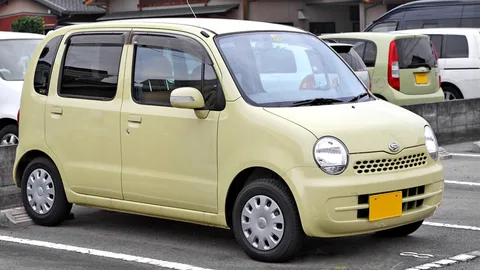
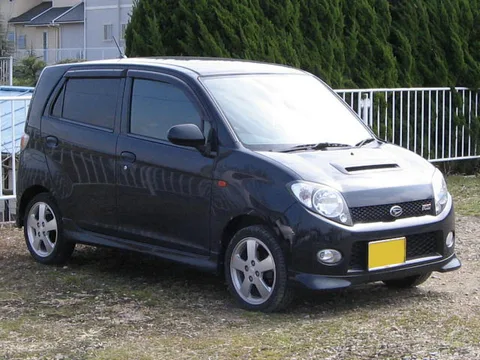
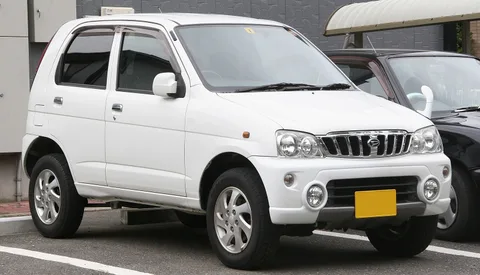
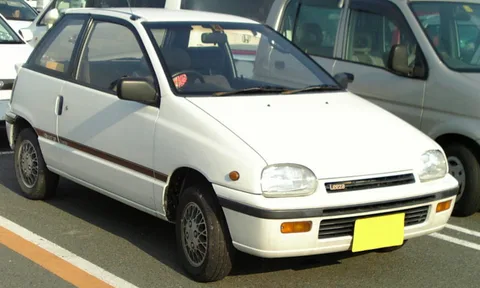
Daihatsu Sonica
დაიჰაცუს ახალი 2006 წლის მოდელი Sonica – სამკაროვანი კეი-კლასის კომპაქტი, რომელიც გასული Max-ისა და მომდევნო Cast-ის გულში ჩაირცხა, იაპონიაში 2006-იდან 2009-ის ჩათვლით იყიდებოდა.
ისტორია
2006-ში დაიჰაცუმ Sonica წარუდგინა საკურაციო თამაშად იტელიგენტურ კეი-კლასში. წარმოება და მიმდინარე წელი 2009-ში შეაჩერეს — შემდეგ ამავე ადგილს Cast-მა დაიჭირა, უფრო კროსოვერული ტანსაცმლით.
დიზაინი და ფორმა
იაპონური კეი-რეგულაციის ყველა წესი მკაცრად შეიტანეს: სიგრძე 3,395 мм, სიგანე 1,475 мм, სიმაღლე 1,470 мм და წონა მხოლოდ 820 კგ. სამკაროვანი პროფილი მაღალი სახურავით ცენტრალური ტოკიოს სათბურებისთვის იდეალურია — მოატრიალე რადიუსიც მინიმუმზეა.
პოზიციონირება
Max-იდან Cast-ში გადასხმული სახელი Sonica ვაჭრობისთვის კი არა, სტილით შეპყრობილი ქალაქელი მძღოლებისთვის გამოიყვანეს. იყიდებოდა მხოლოდ იაპონიაში და მოასწრო 2010-ის უფრო მკაცრი ემისიებისა და უსაფრთხოების წესების წინ ერთი ნაბიჯით წინ გადგომა.
English version
Slotting between the retiring Daihatsu Max and the yet-to-arrive Cast, the Sonica was Daihatsu’s take on a modern three-door kei city car available on the Japanese home market from 2006 to 2009.
History & Run
Daihatsu introduced the Sonica in 2006 as a fresh-named entry in the ultra-compact kei class. Production and sales ended after the 2009 model year, with the model later absorbed by the more crossover-styled Cast.
Design & Dimensions
Strictly sized to Japan’s kei regulations, the Sonica measured 3,395 mm long, 1,475 mm wide, and a 1,470 mm tall box that tipped the scales at just 820 kg. The three-door silhouette provided a raised roofline for urban maneuverability and easy parking in tight quarters.
Market Position
Sandwiched chronologically between the Max and Cast nameplates, the Sonica focused on style-conscious city drivers rather than commercial buyers. Available only in Japan, it represented Daihatsu’s effort to modernize its kei lineup ahead of stricter emissions and safety rules that arrived with the next decade.