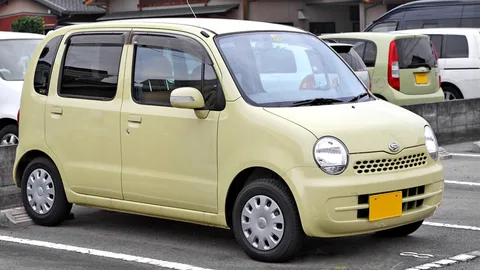
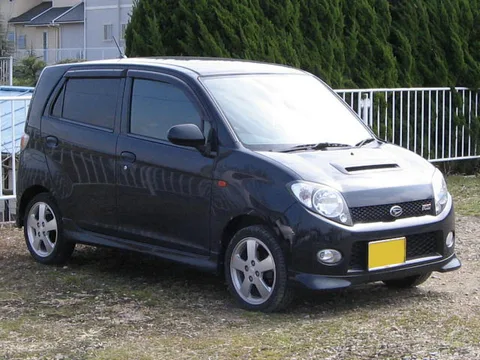
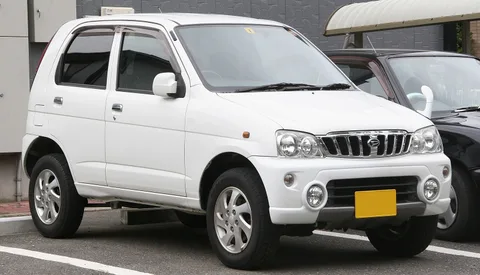
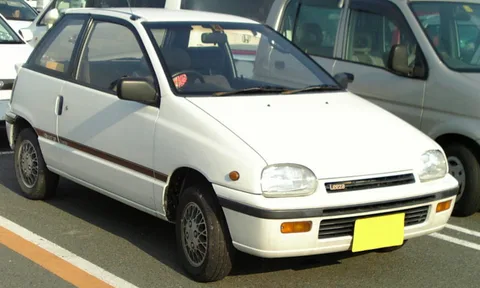
Daihatsu Sirion
ლამის ევროპული მოქალაქედ რომ შთაიხედა, Daihatsu Sirion მე-90-ის ბოლოს, 1998 წელს შემოიჭრა ბაზარზე და kei-თაა კლასსა და კომპაქტებს შორის „ჭირკულია“ დაჯდა. Charade-ს შემდგომ ლენტი Sirion-მა გააგრძელა, გლობალური მსუბუქი ჰეჩბექების ბრძოლა ქართველადაც რომ იციან.
ისტორია და ბაზრები
სახელწოდება Sirion პირველად 1998 წელს გამოჩნდა — იაპონის შიდა Storia-ს გაელქალური სახელი იყო, შემდეგ კი Boon-ზეც გადაირჭო. ორი ძირითადი პლატფორმაა: M100 და მოსულზე უკვე M101, ორივე საზღვარგარეთის ბაზრისთვის შეკოწიწებული და ბიუჯეტური ჰეჩბექი, იაპონური სმუქით, თუმცა მსოფლიო ამომავალი ფასით.
დიზაინი და განლაგება
მანქანა პატარა გვირაბივით სწორკუთხად მდგარია: პატარა ცხვირი, ზემოთწეული სახურავი და ბრჭყვიალა მინები, რომ ქალაქში გვერდით გადასვლა თმის გადატებად არ დაგრჩენდეს. ოთხი სავარძელი და ასეთივე არაფრად ჩათვლადი ზომა Sirion-ს ევროპაში უფრო დიდი სუბკომპაქტების ბიუჯეტულ ალტერნატივად აქცევდა.
ტრანსმისიები და ვერსიები
M100 და M101 ჯერიობით ორივემ შემოგვთავაზა ხელის გადაცემათა კოლოფი ან კლასიკური ტორკ-კონვერტერის ავტომატი. ძრავები იმდროინდელი იაპონური kei-სადელი გამოცდილებიდან იყო გადმოყვანილი, თუმცა ზუსტი ფარმა რეგიონების მოთხოვნებით ფარდას აკეთებდა.
მემკვიდრეობა
Charade-ს სხივი 1977-2000 წლების სხივიდან Sirion-მა კაჭ-ვლაპარაკით ჩაიბარა — იაპონური მიკროეფექტურობა და საერთაშორისო მოთხოვნები ინტერიერსა და აღჭურვილობაში ერთად მოიყარა. მომდევნო თაობის Daihatsu-მა ლოგო ისევ დაიხურა, მაგრამ ორი პედალითა და εξυρაპატის სისტემით Sirion-ის მექანიკური გენი უკანასკნელ Boon-ბაზურ მოდელებსა ტაებში კვლავ ევლინება.
English version
Slotting between kei and compact classes, the Daihatsu Sirion arrived in 1998 as the brand’s global answer to increasingly competitive supermini rivals, carrying forward the torch lit by the Daihatsu Charade.
History and Markets
Daihatsu introduced the Sirion nameplate on export versions of the domestic Storia (1998) and later Boon models. Two primary chassis codes—M100 and the lightly revised M101—catered specifically to overseas buyers looking for an economical city hatchback with Japanese build quality.
Design and Layout
Packaging followed typical upright-hatchback proportions: short overhangs, tall roof, and ample glass for tight urban moves. Four-seat accommodation and a modest footprint made the Sirion an attractive European alternative to larger subcompacts of the era.
Transmissions and Offerings
Both M100 and M101 generations came with a manual gearbox or a conventional torque-converter automatic; the powertrains aligned with the modest displacement engines favored in Japanese kei-adjacent segments, though exact engines varied by market regulations.
Legacy
The Sirion succeeded the 1977-2000 Charade as Daihatsu’s global supermini face, bridging kei-car efficiency with international expectations of cabin space and equipment. When the next Daihatsu small hatch appeared, the Sirion badge quietly retired while its mechanical lineage continued inside later Boon-derived models.