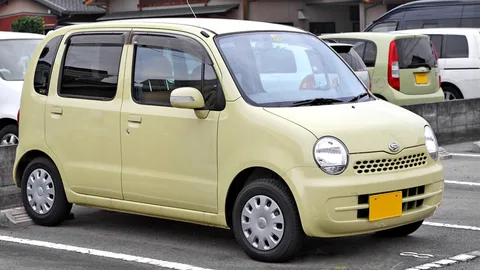
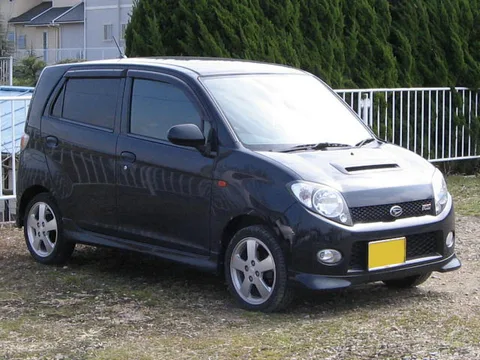
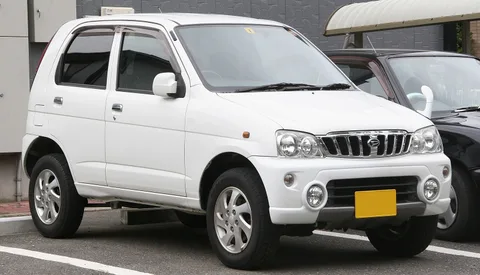
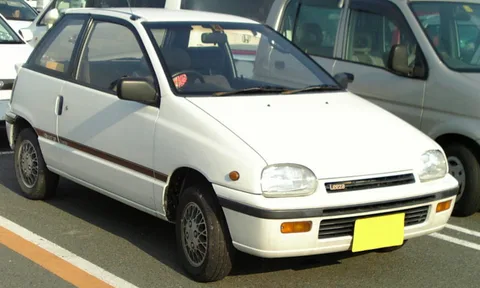
Daihatsu Mira Gino
1999-დან 2009-მდე Daihatsu-მ Mira Gino გამოუშვა — მინიატურული kei-car, რომელიც სულ 60-იანი წლების დიზაინს ინტერპრეტავდა. იაპონიაში პოპულარობა ჰქონდა, მერე კი გადაიკვეთა ევროპის რამდენიმე ბაზრიც.
დიზაინი და პოზიცია
თითის ერთბაცი Miras-ისგან განსხვავებით, Mira Gino თავისუფლად შეიძლება „ბებო-Mini“ უწოდო — წრიული ფარები, პატარა ბამპერი და თაფლისფერი ხის ინტერიერი. 1999-ში პირველი თაობა გამოვიდა „lifestyle“ კუთხით, 2004-ის ფეისლიფტმა კი სტილისტურ მრუდებს კიდევ უფრო გადაუსვა ხელი და მასალებიც აიწია.
თაობები და შემოსევა
პირველმა თაობამ 1999-2004 წლებში მხოლოდ იაპონია იმოგზაურა. მეორე თაობა 2004-ში გამოჩნდა იგივე პლატფორმით, მაგრამ უკვე Daihatsu Trevis სახელით დაეშვა გერმანიაში, ნიდერლანდებში, იტალიაში, გიბრალტარსა და საფრანგეთში — ევროპისთვის იშვიათი kei-car ექსპორტი.
მემკვიდრეობა
2009-ში სიკვდილი კონკურენტ Mira Cocoa-მ დააღწია — კვლავ რეტრო, კვლავ kei. ათი წელიწადიანი ციკლით კომპანიამ მუდმივად დაამტკიცა, რომ ტექნიკური მიზნადრების ფარგლებშიც საყვარელი retro შეიძლება.
English version
From 1999 to 2009, Daihatsu’s Mira Gino brought nostalgic 1960s looks to the ultra-compact kei-car class, attracting buyers in Japan and, later, a handful of European markets.
Design & Positioning
Unlike the utilitarian standard Mira, the Mira Gino adopted distinct retro styling reminiscent of classic European economy cars. The first-generation model arrived in 1999 as a high-end lifestyle spin-off, while the 2004 redesign sharpened the vintage cues and added higher-quality interior trims.
Generations & Market Spread
First generation (1999-2004) was Japan-exclusive. Second generation (2004-2009) carried the same platform but was also exported as the Daihatsu Trevis to Germany, the Netherlands, Italy, Gibraltar and France—marking one of the few kei cars officially sold in mainland Europe.
Legacy
Sales ended in 2009 when the Mira Gino was replaced by the Mira Cocoa, another retro-styled kei model. The Gino’s decade-long production run established Daihatsu’s commitment to nostalgic design within strict kei-car regulations.