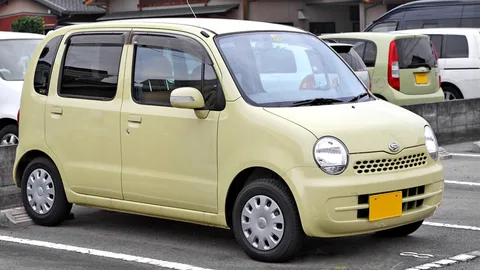
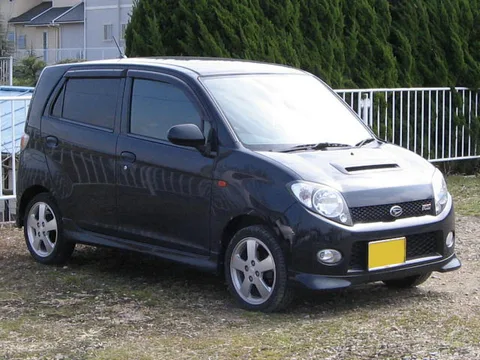
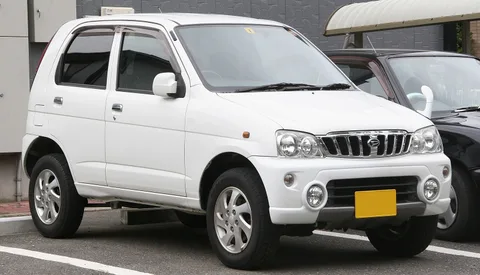
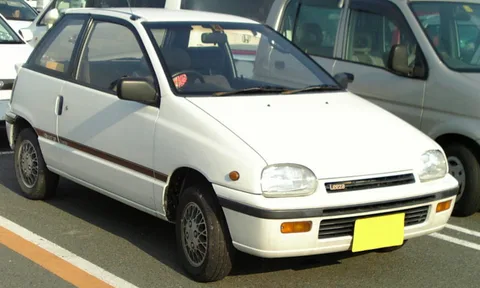
Daihatsu Fellow Max
60-იანების ბოლოდან 1977 წლამდე Daihatsu კეი-სეგმენტს ამაგრებდა კომპაქტური „ფელოუ“-თი, რომელიც გვიან ფელოუ Max-ად ქრისტიანდა და არსებითად დღევანდელი Cuore/Mira-ს წინათვალი გახდა.
ისტორია და სისხლიანი ხაზი
1969 წელს პირველი თაობის 360 კუბური two-stroke „ფელოუ“-ს შემხვედრი მოდელი დაიბადა. 1973 წელს კვადრატული ფარები, ახალი ემბლემა და მილიმეტრებით გაზრდილი ძრავა მოიფინა — ჯერ კიდევ იაპონურ კეი-არეალში. 1977-ში წარმოება შეწყდა და პლატფორმათა გადატვირთვით გადავიდა პირველი Daihatsu Cuore-ის საფუძველზე, სახელად Max Cuore.
გარშემოწერილი გაბარიტები
ნოსიდან ყურთან მხოლოდ 2 995 მმ, სიგანე 1 295 მმ, სიმაღლე 1 290 მმ — სამართლებრივი ზომის ზღვარზე გაჩერებული კუბიკი. ულვაში 510 კგ იაფად ააკაპას და ქალაქურ გარბენზე ჩუმად წვავს.
მემკვიდრეობა XXI საუკუნემდე
ფელოუ Max-ის სახელი 1977-სთან ერთად გაქრა, მაგრამ Daihatsu-მა „Max“ წარწერა 2000 წელს კიდევ ერთხელ გამოიყენა — boxy ერთკუბურიად მაქსში ძველი მიკროსკოპული ატმოსფერო იგრძნობა. დღეს რეტროენტუზიასტები ფელოუ Max-Cuore გზას პრემიერ სეგმენტის ბაზისურ უბნად აღიქვამენ, რომელიც თანამედროვე Mira-მდე მიჰყავს.
English version
Between the late 1960s and 1977, Daihatsu fleshed out its minicar line-up with a stubby commuter pod that was showcased as the Daihatsu Fellow and later rebadged the Fellow Max—the direct ancestor of the modern Cuore/Mira.
History and lineage
The model began life in 1969 as the second-generation Daihatsu Fellow, itself evolving from the two-stroke 360 cc kei car of the early 1960s. A rapid facelift in 1973 introduced squared-off styling, fresh badging as Fellow Max, and a marginally enlarged engine that still adhered to Japan’s strict kei-car regulations. Production ended in 1977 so the chassis architecture could be reused almost unchanged for the first-generation Daihatsu Cuore, marketed at home as Max Cuore.
Kei-car dimensions
Measuring just 2 995 mm nose-to-tail, 1 295 mm wide and sitting 1 290 mm tall, the Fellow Max exploited every millimeter of legal packaging. Its featherweight 510 kg construction let Daihatsu employ tiny engines yet still achieve lively city performance while sipping fuel.
Legacy trickling into the 21st century
Although the Fellow Max nameplate disappeared after 1977, Daihatsu revived the simple "Max" script in 2000 for the Daihatsu Max, a boxy one-box city car whose character notes echoed its microscopic ancestor. Today, enthusiasts regard the Fellow Max and Cuore lineage as the bridge between Daihatsu’s utilitarian early kei cars and the modern Mira series.