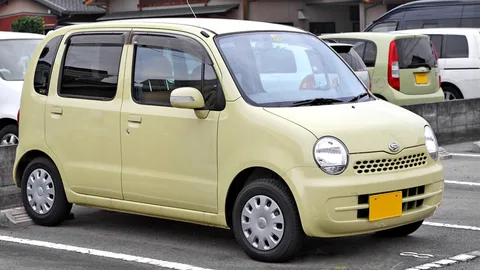
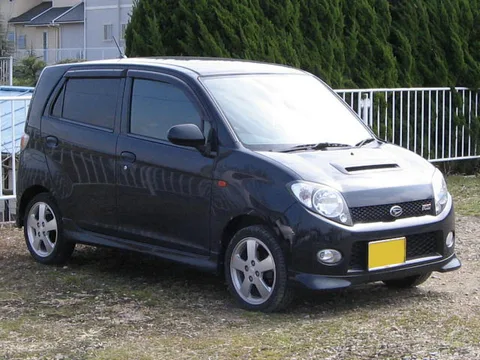
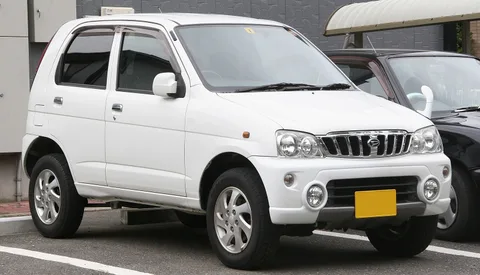
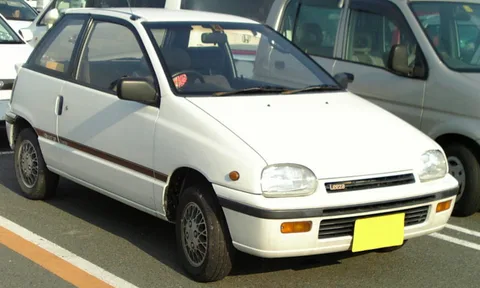
Daihatsu Cuore
გასული საუკუნის 80-იანების ბოლოდან 2000-იანების ბოლომდე, Fellow Max-ის შემდგომ, Daihatsu-ს კეის კლასში თბილისის ქუჩების ფავორიტი Cuore გამოდიოდა. მირას პასაჟირზე ორიენტირებული ორადი, ურბანული თავშეყრის ტურიტანის ტიპი, 2012-ში Ayla-მ შეცვალა, მაგრამ ეს ჯერ კიდევ ისტორიაა, რომელიც ჩვენს ქუჩებზე მოძრაობს.
დაბადება კეიში
1980 წელს, როდესაც Daihatsu-მ მირას კომერციული ვერსიის გვერდით მგზავრისთვის განკუთვნილი Cuore გამოუშვა, Fellow Max-ის ტექნიკა მუდამ 550-დან 660 კუბ.სმ ორ-სათვალთელა ან სამ-ბარაბანებიანი ძრავით დარჩა. კორპუსის სახურავი მაღალი, სალონი უკეთესი — იქვე კონდინციონერი და საჭის გაძლიერება შემოთავაზდა. იდეა მარტივი იყო: მინიმუმ ტრასა, მაქსიმუმ კომფორტი.
ფესვები ხუთ კონტინენტზე
შიდა ბაზარს გარეთ, იგივე ძირი სხვადასხვა სახელით და ჯდომით გაიყიდა: Mira, Cuore, ან ავსტრალიაში ვანთანად — Handivan/Handi. უშუალოდ გარეთ მოთხოვნის ველოსიპედური რეკორდისთვის 850 და 1000 კუბიკიანი ვერსიები შეიძინეს, ინდოეთში და ევროპაში კი ტოტალურად უცვლელი Cuore სტია ქალაქების პარკინგებში მოგვევლინა.
ოთხი მოდელი, ოთხი ათწლეული
L70, L200, L500, L700 — ასე გადის ოთხი, თუმცა აბაზანურად განასხვავებელი თაობები; ინჟექცია, მძღოლის安全气囊, ABS, ბოლოს 4 ადგილში ჩვენების უფლება დაამატეს. 2012 წელს კეიკლასი მსოფლიოსთვის დახურა — თაილანდური Ayla და ინდონეზიური Pixy გაიმარტივეს წინა რიგად.
მემკვიდრეობა
რიცხვებით პოპულარულ ჰეტჩბეკებს ვერ გადაეკიდები, მაგრამ Cuore/Mira-ფემილია ასწავლა Daihatsu-ს, რომ ავტობიუჯეტური მზარდაც კი არ ნიშნავს კომფორტის დაკარგვას. 3 მეტრზე ნაკლები სიგრძე დღესაც ამ ბრენდის მიკრო და A-დანორჩე არქიტექტურას ინსპირაციად უდგას.
English version
Slotting into Daihatsu's kei-car lineage after the Fellow Max, the Cuore served as the passenger-oriented twin to the Mira, carving out an urban-focused niche from the late 1980s into the 2000s before making way for the Ayla.
Kei-Car Origins
Introduced in 1980 as the passenger-intended counterpart to the commercial Daihatsu Mira, the Cuore inherited the technical package of the Fellow Max but wrapped it in a higher-grade interior and a larger roofline. Its 550 cc two-cylinder and 660 cc three-cylinder engines kept within Japan’s kei-car tax class, offering stop-and-go drivers the minimum footprint with mod-cons like power steering and air-conditioning as options.
Badge-Engineered Geography
Beyond the home market, the same body was exported as the Mira, Cuore and—in Australia as a panel van—the Handivan/Handi. Engine displacements grew to 850 cc and 1000 cc for wider-road markets, while India and Europe received lightly modified examples badged simply as Cuore, cementing Daihatsu’s micro-car presence across five continents.
Generations & Niche Evolution
Four distinct generations passed (L70, L200, L500 and L700), each adding fuel injection, driver airbags, ABS and, eventually, four-seat certification. By 2012 the Cuore/Mira family finally gave up kei-car status abroad, replaced globally by the roomier, Thai-built Ayla and its Indonesian sister Pixy.
Legacy
Though eclipsed in numbers by popular hatchbacks, the Cuore/Mira line taught Daihatsu how to deliver bare-bones motoring without feeling like econobox punishment. Its sub-three-metre packaging ethos still informs the brand’s current kei and A-segment architecture today.