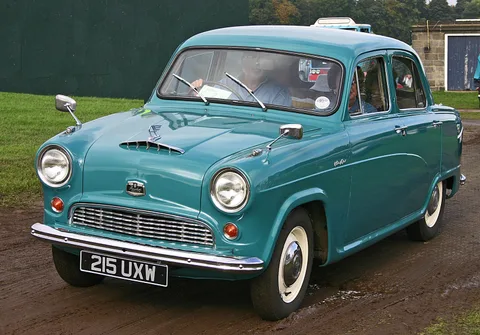
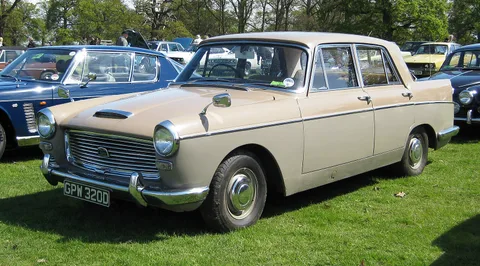
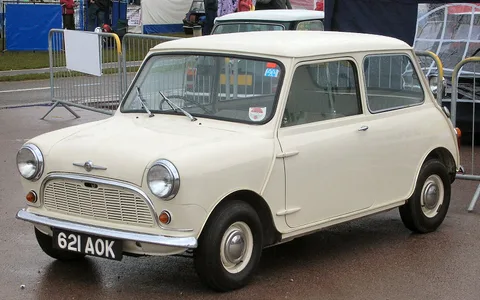
Austin A35
1956 წელს გამოჩენილმა Austin A35-მა ბრიტანული მოცუცქებიან ქალაქებში სივიწროვეს პირდაპირ მწვანე შუქი აუნთო. 281 000-მდე ეგზემპლიარის წარმოება მოხვდა „აყვავებული სამოცდაათიანების“ პიკზე, A30-სა და უკვე ფარინისტა A40-ს შორის ოქროს საშუალო ჯიბეს.
რა იყო ამის დასაბამი
A35 წარმოიშვა მინისადმი ფანჯრებით გაზრდილი A30-ის სახეშეცვლილი ვერსიით, ძრავა იგივე დარჩა – 948 cc-იანი ოთხბიძგიანი. BMC ქარხნებში 1956-დან 1968-მდე ბევრი წყალი გავიდა და ამ პერიოდში აბა რა გარეული ახალი იყო? სედანი და ვანი გარეგნად თითქმის ერთნაირი იყო, ჭერის ხაზი და სივრცე – განსხვავება. Countryman ვარიანტმა ოჯახშიც გაიჩხრიკა გზა. 1962-ში ინტერიერი შეუცვალეს, მაგრამ ფარინასავით გამაყლის სახეს არასოდეს მიეკარა.
ფორმა და ზომა
3467 მმ სიგრძე და 1378 მმ სიგანე – შეხვალ სადაც გინდა, 1500 მმ სიმაღლით და 686 კგ საფეთქლით ერთხელაც ვერც კი გაიგებ, რომ ახალ კორპუსში დაგიდგიეს. ერთად შეკრებილი ფერები ორ ტონში, უკანა სველი სტეკლები – პოსტომრისელი ოპტიმიზმი გიგებს მასპინძელს, ვანის ორდანაგანი შუქი კი შაბათ-კვირას ორკაპივანს დაგყავს მარადიულ რემონტზე.
გზაზე
34 ცხენის ძალა ჩვენს ყურს მხოლოდ რკინაში ხვდება, 70 mph კი დაჭერილი მეწამულის ქარით რეალურია. გულდაბრკოლების გარეშე ოთხნაბიჯა კოლოფი და ერთმანეთზე ნასვრეტი დისკები თავისი დროისთვის ნორმა, წვეთი სამხედრო ხასიათი და ურთულესი გაკეთების სურვილიც იძებნება. დაუკლებელი სტანჯი ქალაქში თითქოს მთებს არჩევს ადგილდაბნელებულს, დაბლა ჭავლის დენაზე კი A35 ორ ჩატყავებულ ბარხანსავით იღვრება.
გადახედვა
1968 წლისთვის Longbridge-მა 280-ზე მეტი ათასი სედანი, ვანი და უნივერსალი გამოძევა. კომუთერებს, ხელოსნებს, პაკისტანელ პოსტალიონებსაც ემსახურა. მექანიკური სიმარტივემ ახლაც ბარაქი მოსდო – თავისთავადი დიაგნოსტიკა და თაღალრევა იაფად. დღეს ფასები ცეცხლი არაა, მაგრამ უკვე კრემინალურად ნივთიერად გადარჩენილი „ვანი“ ხრიკულად შემოგაქვს, როგორც სინდისის არა მქონე ბრიტანული ხელოვნების შენიშვნა.
English version
Revealed in 1956, the Austin A35 carried BMC’s small-car fight well into the Swinging Sixties, selling almost 281 000 units. Compact enough to dart through clogged British streets yet stout enough for family duties, it bridged the gap between the A30 and the stylish Farina A40.
Origins & Generations
The Austin A35 arrived as a warmed-over A30 with bigger back windows and a revised grille, yet it kept the A30’s 948 cc four-cylinder. Production ran across the BMC empire from 1956 until 1968, making it a long-serving model in a fast-changing era of motoring. Saloon and van variants were broadly similar, differing mainly in roofline and load space, while a Countryman estate added family practicality. A final round of detail tweaks in 1962 freshened trim and dashboards, but the A35 never gained the new Farina lines that replaced it.
Design & Dimensions
Spanning just 3467 mm long and 1378 mm wide, the A35 parked anywhere yet swallowed four adults. At 1500 mm tall and barely 686 kg on the scales, it offered sprightly performance from modest muscle. Flush wheel-arches, cheerful two-tone paint and panoramic rear glass gave it post-war optimism, while the split tailgate of the van versions turned workers’ runabouts into weekend DIY haulers.
On the Road
The A35’s 948 cc side-valve engine mustered a modest 34 bhp, yet low mass meant 70 mph was attainable with a tailwind. A four-speed crash gearbox and drum brakes were era-typical, but frugal fuel consumption and easy maintenance endeared the tiny Austin to fleet buyers and families alike. Light, unassisted steering allowed tight urban manoeuvres; torquey low-end punch made light work of stop-and-go traffic.
Legacy
By 1968 more than 280 000 saloons, vans and estates had left the Longbridge lines, supplying commuters, tradesmen and even export markets across the Commonwealth. The model’s mechanical simplicity not only encouraged DIY upkeep but also spawned a loyal classic scene today. Values have climbed slowly, especially for surviving vans, underscoring the A35’s place as honest, affordable British motoring heritage.