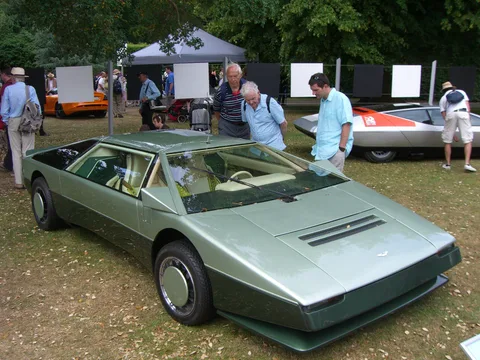
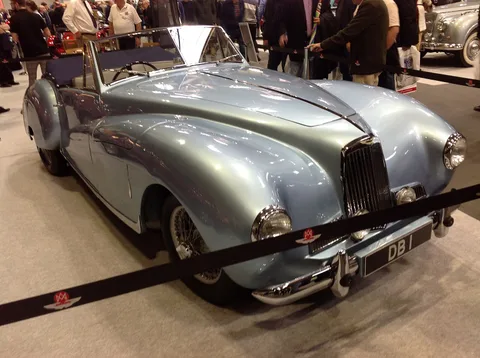
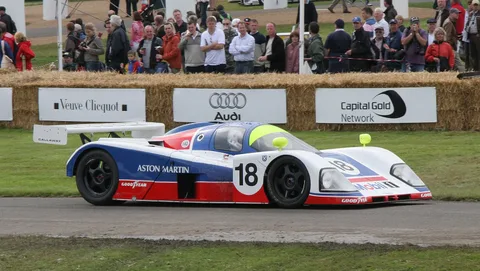
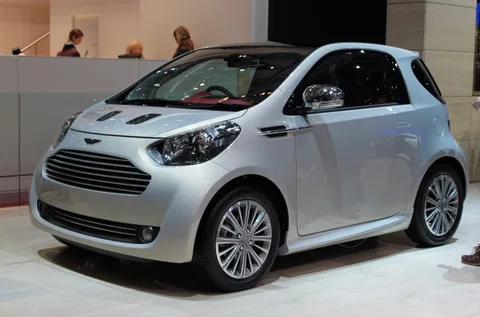
Aston Martin DBS
1967-დან 1972-მდე, Aston Martin-მა DBS შეცვლა მოახდინა DB6 GT-ს ფლაგმან კლასში — გაბრიტანული ხასიათი შეინარჩუნა, თუმცაან სურათი სრულიად ახალი გაახდა, სანამ ჩაბარებას Vantage-ს გადააბარებდა.
გაყიდვების არეალიდან დასრულებამდე
პირველი თაობის DBS ხუთ წელიწადს იწარმოებდა — 1967-დან 1972-მდე — და პირდაპირ უპირისპირდებოდა გაბრმავებულ DB6-ს. ეს დევიდ ბრაუნის ხანაში ბოლო ფლაგმანი იყო და V8-იან შემცვლელებს გზა გაუხსნა, რომლებიც მერე მოვიდნენ.
დიზაინი და ზომები
4595 მმ სიგრძით, 1830 მმ სიგანით და 1325 მმ სიმაღლით, DBS ბევრად გრძელი იყო (185 მმ), მაგრამ 60 მმ-ით დაბალი — კორპუსი ჩამხუთვად ჩამოჯდა, პირდაპირ 60-იანების დიზაინის ტალღას რომ შეეძახებოდა. დაბალი წინა კარი და ორი პანტიანი ფარების წყვილი კი ახალი უსაფრთხოებისა და შეჯახების ნორმებთან იყო შეგროვებული.
ტექნიკური შინაარსი
ლითონის ძირითად ელემენტზე, DB6-ის შემოკლებული შასი პირდაპირ შეწმინდეს და უკვე ფართო გვიმცეებითაა გამაგრებული — იმ მომავალ V8-ს რომ მოუმზადებენ ადგილს. ორმაგი წყვილი მუხლუხები არ შეიცვალა, თუმცა 1706 კგ-იანი მასა DB6-ზე 100 კგ-ით მეტია: მეტ წონას დიდი კურმა მოითხოვდა.
English version
Produced from 1967 to 1972, the Aston Martin DBS replaced the DB6 as the marque’s flagship grand tourer, blending British GT tradition with newer proportions and styling before handing the baton to the Vantage.
Markets & Lifespan
Aston Martin built the first-generation DBS for five model years, 1967–1972, positioning it as a larger, more modern alternative to the outgoing DB6. It was the last flagship designed under the David Brown era and set the stage for the V8-powered successors that followed.
Design & Dimensions
At 4 585 mm long, 1 830 mm wide and 1 325 mm tall, the DBS stretched 185 mm longer than the DB6 yet sat 60 mm lower, giving it a squat, muscular stance more in line with late-1960s styling trends. The stepped nose, twin headlamp clusters and Kamm tail echoed earlier DB cues while accommodating modern safety and crash requirements.
Engineering Brief
Under a steel body on a shortened DB6 chassis the DBS retained Aston’s familiar double-wishbone suspension while packing 1706 kg of mass—about 100 kg more than the DB6—thanks to its wider track and stronger subframes intended for the forthcoming V8.