Aston Martin DB2/4
1953 წელს წარმოდგენილი DB2/4 იყო პირველთაგანი, ვინც GT-კუპეში hatchback-ის იდეას იყიდიდა — უკანა სავარძლები და მოხერხებული აუზი ტრადიციულ 2-ადგილიანის ნაცვლად. ეს ერთი მოდელი ახსნა, რატომ არ უნდა trayalა Aston-თქმა „სამოსად ჩაცმა თუ გადარბენიდან ჩამოცდომა“.
ისტორია
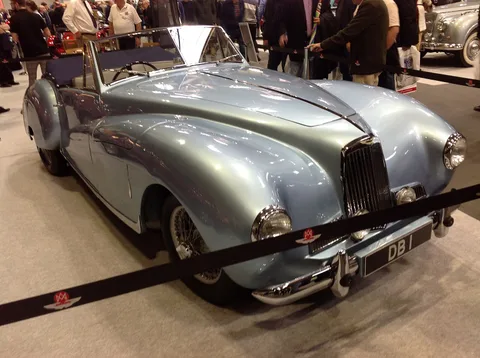
DB2/4 გამოჩნდა ორი წლის შემდეგ, როგორც Aston Martin-ის პასუხი იმ ხალხზე, ვინც ომის შემდეგ უკვე არა ‟რას აჭმევენ”, არამედ ‟რამდენს შლის” უფრო უსმენდა. 1953-დან 1957-მდე დაყენებული წარმოება DB2-სა და DB Mark III-ს შორის ხელები გააერთიანა. შეკვეთით კი ბერტონემ ცოტა ხნით გადააშენა — რამდენიმე spyder და ერთი უნიკალური coupé ამერიკელი იმპორტიორი Stanley H. Arnolt II-სთვის, რომელიც დღეს კოლექციონერ ლირიკაში უკანასკნელი კომპასის როლი თამაშობს.
კაროსერია და ზომები
სამი განსხვავებული სილუეტი იდგა შოურუმში: 2+2 hatchback saloon პიონერული უკანა ფრთით, მომხმარებლისთვის შვილებით დატვირთული უქუჩუნარს ისტორიად უწერდა; 2-ადგილიანი fixed-head coupé; და drophead coupé (DHC). სხეული პატარა იყო — სიგრძე 4 305 მმ, სიგანე 1 651 მმ, სიმაღლე 1 359 მმ — მაგრამ ოთხი ადამიანი მშვიდად ჯდებოდა.
მემკვიდრეობა
DB2/4-ს პრაქტიკული სქემა გახდა გამოსავალი, რომელმაც DB Mark III და შემდგომ ყოველ Aston Martin GT-ში ასახვა ნახა. hatchback იქამდე შველული იყო ფერარიებისა და მასერატების ფონზე, მაგრამ Aston-მა აჩვენა: შეგიძლია ყოველდღიურად იმოძრაო, ლურჯი სისხლის გაუვნებელ დონეზე.
English version
Launched in 1953, the Aston Martin DB2/4 was one of the first true hatchback grand tourers, adding rear seats and luggage versatility to the DB2 platform and defining the template for future Aston sports saloons.
History and development
The DB2/4 arrived two years after the DB2 as Aston Martin’s answer to post-war clientele who needed something more practical than a pure two-seater. Production spanned 1953 to 1957, bridging the gap between the DB2 and the forthcoming DB Mark III. A limited run of Bertone spiders and a unique coupé were commissioned by American importer Stanley H. Arnolt II, adding collector appeal.
Body styles and dimensions
Three core body shapes were offered: a 2+2 hatchback saloon with its pioneering rear-hinged tailgate, a 2-seat fixed-head coupé, and a drophead coupé (DHC). Overall footprint remained svelte—length 4 305 mm, width 1 651 mm, height 1 359 mm—keeping the DB2/4 light for its era while comfortably housing four passengers.
Legacy and successors
The DB2/4’s user-friendly layout laid the groundwork for the DB Mark III and, by extension, every subsequent Aston Martin grand tourer. Its hatchback precedent made an Aston Martin an everyday proposition without diluting performance, a philosophy still visible in modern GT models.