Aston Martin DB2
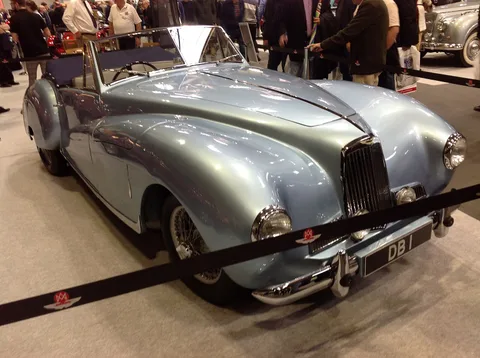
1950 წლის მაისში წარადგინეს და 1953-ის აპრილამდე გაიყიდებოდა Aston Martin DB2, რომელმაც 2-Litre Sports ჩაანაცვლა და სათავე დაუდო იმ სისხლნარისტა GT მოდელებს, რომლებიც დღესაც თვალგანწირულად მოქმედებენ.
დაბადება
1947-ში Lagonda-ს შეძენის შემდეგ Aston Martin-მა მისი ძველი ოთხცილინდრიანი დაკუთხა და Lagonda-ზე გადაჯდა — 2.6 ლიტრანი, ორგანკამიანი პირდაღებული ექვსკამერი. დაინტერესებულმა ინჟინრებმა William Towns-მა და Frank Feeley-მა ახალი შასიზე დაიხატეს გამჭრიანი, აეროდინამიკური სხეული — მხოლოდ 1,118 კგ თექვსემერია, სათუთად ქვეითი 1950-იანი დაბადებული სედანებისთვის. თავიდან დახურული 2-ადგილიანი „სპორტ-სალუნი“ გამოჩნდა, მერე კი — მაჩალიჩა კაბრიოლეტი გვერდით უმასპინძლდა.
ძალა და დიზაინი
მთლიანობაში 4,305 მმ სიგრძის და კომპაქტურ ბაზასზე დაბალმა ჩარჩომ ნიზრავით დაჭერილი პროპორციები შექმნა. Lagonda-ს ექვსცილინდრიანი გამოსავალი ამოუშალა 100 ცხენის ძალაზე მეტი და ფარშევანგი 187 კმ/სთ-მდე ატყაპუნდა — 1951-ისთვის ამბიციური მონაცემია. წინამორბედი დამოუკიდებელი საძირკველი, rack-and-pinion მართვა და Girling–ის ბარაბანული მუხრუჭები იყო, რაც ყოველდღიურ კომფორტს ორშაბათობით უთელი მიმალუნდა, უიკენდის ტრეიკ-დეიზე კი საქმეს აუძლებდა.
მეგობარი ტრასა
საქართველოს ნაცვლად — ლე-მანი და Silverstone აჩვენა გამოცდილი ენერგია: 1951-ში და 1952-ში კლასობრივად პოდიუმი შეიფერნიშნა. 1951-ის 24-საათიან რბოლაში მესამე ადგილი ზოგადად და პირველი კლასში შეინიშნა — აი, ეს იყო გმირობანა, რომელმაც Aston Martin-ის შემდგომი თრეკ-რეპუტაცია დაასაბამა და მიწიერ ვერსიებზე მოთხოვნა წაუღო.
მემკვიდრეობა და მედგარ ვერსიები
მხოლოდ ორ-ნახევარი წლიანი წარმოება — დახურული კუპეები, პლუს იშვიათი 49 drophead, რომელიც მთლიანი შემოსავლის მეოთხედი დაედო — 1953-ში უკვე DB2/4-ს გამოასტუმრა. მაგრამ მექანიკური და ვიზუალური მატრიცა თუმცა დადგა: წინა DOHC ექვსკამერი, გრაციოზული GT სილუეტი და მზადყოფნა — გაზვირთოს ფიცხად, მაგრამ არ დაკარგოს grand-touring ფუფუნების მოხვევა. ყოველი მომდევნო DB აი ამ ფორმულიდან ივარგა.
English version
Unveiled in May 1950 and sold until April 1953, the Aston Martin DB2 replaced the 2-Litre Sports and laid the groundwork for an entire bloodline of DB grand tourers that still commands attention today.
Development
After acquiring Lagonda in 1947, Aston Martin dropped its own pre-war four for Lagonda’s sophisticated 2.6-litre dual-overhead-cam straight-six. Key engineers William Towns and Frank Feeley clothed the new chassis in a sleek, aerodynamic body whose 1,118 kg mass stayed well below the muscle of a typical 1950s saloon. The car debuted as a closed 2-seat sports saloon, joined later by a stylish drophead coupé.
Performance & Design
Measuring just 4,305 mm long and sitting on a compact wheelbase, the DB2 combined a low, purposeful stance with tight proportions. Lagonda’s six produced over 100 bhp at launch and pushed the lightweight coupé to a verified 187 km/h—quick laps for 1951. Independent front suspension, rack-and-pinion steering and Girling drum brakes completed a package that blended everyday civility with weekend track intent.
Racing Record
DB2 saloons proved their mettle at Le Mans and Silverstone straight out of the box, scoring class podiums in 1951 and 1952. The team finish in the 1951 24 Hours placed third overall and first in class, a breakthrough that established Aston Martin’s post-war racing credibility and fed demand for road-going versions.
Legacy & Variants
Only two and a half years of production—closed coupes, plus 49 drophead cars that accounted for a quarter of total sales—preceded the DB2/4 in 1953. Yet the mechanical and visual template was set: front-mounted DOHC straight-six, elegant GT silhouette, and a willingness to race hard without detaching from grand-touring luxury. Every subsequent DB model traces its roots to this initial formula.