Lexus GS
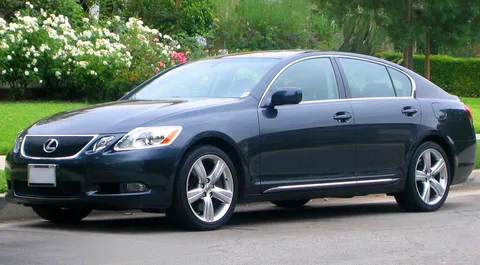
1991-ში Toyota Aristo-ს სახელით ნაადრევად დაიბადა და 1993-ის თებერვლიდან საზღვარგარეთ Lexus GS-ად შეინაცვლა. ეს აღმასრულებელი სედანი კომფორტსა და დინამიკას შორის ნახევარს მოინათესავებდა და Lexus-ისთვის პირველი ნამდვილი პასუხი იყო BMW 5-Series-სა და Mercedes E-Class-ზე. ოც წელზე მეტად რჩებოდა Lexusის შოურუმების სტალიერად; იაპონიაში კი Aristo ბეჯი 2005-ის იანვრამდე გაიჭირვა, სანამ Lexus სამშობლოშიც მოვიდა.
ისტორია
Lexus GS-ის ჯერ კიდევ Aristo-ს სახელით 1991-ში დაიწყო ცხოვრება იაპონიაში. აქ დაბადებული ეს საძრავი ზურგის დამყენებელი სედანი ტვინ-ტურბო პირდაპირექსი და V8-ს ორივე ვერსიას სთავაზობდა — მაშინ, როცა იაპონური ფლათაფორმის ოქროს ხანა იწვა. როდესაც Toyota-მ საერთაშორისო Lexus-ის აწყობა გადაწყვიტა, Aristo-ს სახელი ეგვიპტის ჭიშტად მოჰყვა და სახელი GS მიენიჭა 1993-ის თებერვალიდან. ასე უთხრა BMW-ს და Mercedes-ს მომავლისთვის მხედველობა.
სახელის გადავლა
პირველი ორი თაობა დიდი ხანი იაპონურ Aristo ჯერ კიდევ განაგებდა, მაგრამ Lexus GS დანარჩენ მსოფლიოში ერთი სახელი იყო. ეს პარადოქსი 2005-ის იანვრამდე გაჭედილიყო, როცა Toyota-მ Aristo-ს ბეჯი დაძირვა და სამშობლოშიც ახალშექმნილი Lexus განყოფილება გამოსცადა — ერთი სახელით, ერთ სამყაროშ შეერთება.
პოზიცია
შუა დიდობის სედანი იყო, მაგრამ Lexus-ის შიდა იერარქიაში GS შორეულ რიგებს ცვლიდა. წინა წამყვანის ES-ზე უფრო სპორტული, LS-ის სრული V8-ზე კი უმცირესი — ასეთი საშუალო ზომის ჩაშხრა. შესაძლოელად წარმოდგენილი უკანა-მოსახვევი და ელექტრონიკა ერთნაირად გართობდა მძღოლს. ოთხმა თაობამ Toyota-თ ერთად გაიარა ყველა ძრავის ხანა — V6, V8, უკანასკნელსკენ დამუხლებული ჰიბრიდ V6 — და მთელი სიცოცხლე ზურგთზე დარჩა.
English version
Born as the Toyota Aristo in 1991 and rebadged as the Lexus GS for export markets from February 1993, this executive sedan bridged the gap between comfort and performance while serving as Lexus’ first real answer to European sport-sedan rivals. It remained a fixture in Lexus showrooms for more than two decades, with the Aristo keeping its original name in Japan until Lexus arrived there in 2005.
History
The Lexus GS began life exclusively as the Toyota Aristo in Japan during 1991, offering twin-turbo straight-six or V8 power in a rear-drive package engineered at the peak of Japan’s luxury-saloon boom. When Toyota decided to launch Lexus globally, it rebadged the Aristo as the GS for non-Japanese markets beginning February 1993, signalling the brand’s intent to compete directly with BMW 5-Series and Mercedes E-Class offerings.
Market transition
While the first two generations were still domestic Aristos, the Lexus GS nameplate served everywhere else. That dual identity lasted until January 2005, when Toyota finally retired the Aristo badge in Japan and transitioned its home market to the newly created Lexus division, bringing naming consistency across all regions.
Executive position
As an executive car, the GS combined mid-size exterior proportions with optional rear-steer and advanced electronics, slotting between the front-drive ES and the full-size, V8-only LS. Four generations mirrored Toyota’s evolving engine families—ranging from naturally aspirated V6s and V8s to later hybrid V6 systems—while retaining rear-wheel-drive architecture throughout its lifespan.