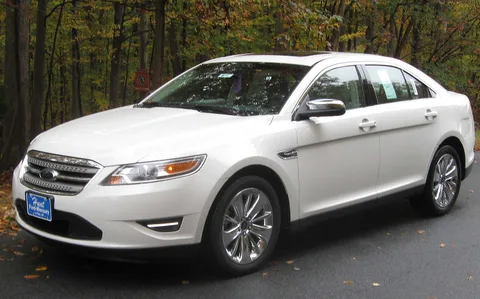
Ford Taurus 1st generation
წარმოება: 1985–
1985 წლის 26 დეკემბერს ფორდმა წარადგინა შექმნილი ტაიურუსი — მაშინ კიდევ რევოლუციური სედანი, რომელმაც დიზელის გოძიანი LTD-ისგან კლასიკური დიზენის ერა დასრულა. წინა წამყვანი პლატფორმა და წყალი-გამტარი ფორმები მას ისტორიაში სამუდამოდ შეუყავს — თვითონ Ford ამტკიცებს, რომ 1986-ის Taurus-მა კომპანია ბანკროტობის პირას დაბრუნებით გადაარჩინა.
დიზაინის შოკი
1986 წლის Taurus-ს ერთი შეხედვით აშკარა იყო — უწყვეტი მინა, სილიკონიანი ბამპერები, ჰაეროდინამიკური სარქტი 0.32-წლამდე დაწეული. სწორი განაპირები, „ჩაძინებული“ ფარები და ფართო კონტინენტალური ფრთა-გრილი პირდაპირ 1982-ის Ford Sierra-დან იყო, მაგრამ სრულ ქარს ჰაერს გლუვად დამუღამა. Ford-ი ქარის გვირგვინებშია შესული: თურმე თითოეული რეზინის ჩამჭკნარი ყვავილიც კედელზე ჩასწრებული იყო რომ პროექციული ზედმეტი წრე არ აშექამია.
ინჟინერია და ტიპიური მონაცემები
DN5 პლატფორმით გადმოტანილი Taurus-ი წელს გაყრილი ტრინოსიანი წინა წამყვანით პირველად დაამონტაჟა Ford-მა ფულ-სისტემით თავის კლასში. ბაზაში – 2.5-ლიტრიანი ოთხციკლორი, უფრო ცხელი კოპომა — 3.0-ლიტრიანი V6-თა, ორივე სპრეი-ინჟექტორიანი და 4-კოპურია ავტომატიანი. ხაზის შეცვლამ ხერხი გამოუნახა: საბეჭდი თვითმფრენიდან აუდათქმელად დააძალა, მედიუმური სისტემაა ანათონი მთავარი ჯიშიდა გამოეცალა.
პრემიერა და ფორდის გადარჩენა
პროგრამაზე 3 მილიარდამდე გაბედული ინვესტიცია აშშ-ის ისტორიაში ყველაზე დიდი იყო მრეწველობაში, და 1985 წლის 26 დეკემბრის გამოშვება ფორდის დასახლებული ქალაქის დისტანცია იყო. 1989-ში 400,000-ზე მეტი ერთეული გაიყიდა, რაც აგრილენთია Ford-ს Explorer-ულ მოძრაობის დაფინანსების საწყისი გამოიცა. ანალიტიკოსების თქმით, 1986-ის Taurus-ის გარეთ შესახტომი მზრუნველობა რომ არა, კომპანიის ბანკროტია მეორე დღის შაბათივით ბარაბნად მოხდებოდა.
მემკვიდრეობა
ტაიურუსის წყლის თაიმერი კაპროების შეხებით აიძულებდა დეტროიტს ყვირს შეშინებული სამანტრიდან დაშორებას. 1992 Cadillac STS-ისა და 1993 Chrysler Concorde-ის ათური სამსახური პირდაპირ Taurus-ის ჰაერშია დასმული. ექვსი თაობა და 33 წელი უჩერდა წუთიერად, წურღული კი 2019-ში აშშ-ში გათიშა, მაგრამ 1986-ის გოძიანი საბოლოოდ კონკურენციის წესებს გადაატრიალა მთლიანად ამერიკული ინდუსტრიისთვის.
English version
Unveiled on December 26, 1985, the first-generation Ford Taurus replaced the rear-drive LTD and reset the course of American sedan design. Its wind-cheat shape and front-drive platform were so pivotal that Ford credits the Taurus with pulling it back from the brink of bankruptcy.
Design Revolution
With flush glass, integrated bumpers, and a drag coefficient as low as 0.32 on some trims, the 1986 Taurus instantly made the boxy silhouettes of most domestic sedans look obsolete. The rounded body, flip-up headlights and wide, aero-style grille borrowed heavily from the European 1982 Ford Sierra, but Americanized for the Taurus’ mission. Ford’s wind-tunnel obsession even extended to the wheel covers, which sat flush to the tire sidewalls to smooth airflow.
Engineering & Specifications
Built on Ford’s new DN5 platform, the Taurus introduced transverse-engine front-wheel drive to Ford’s U.S. full-size lineup. Base power came from a 2.5-liter inline-four, while higher trims offered a 3.0-liter V6; both had fuel injection and a 4-speed automatic. The longitudinal–to–transverse switch freed up interior leg- and shoulder-room, giving a midsize footprint with near-full-size space inside.
Launch & Impact on Ford
Costing over $3 billion then and rolling out on December 26, 1985, as a 1986 model, the program was the most expensive product investment in Ford history at the time. Sales peaked above 400,000 units in 1989 alone, generating the cash Ford used to fund the 1988–1999 Explorer and its truck expansion. Analysts and Ford executives alike have stated that without the Taurus, Chapter 11 was a very real possibility in the mid-1980s.
Legacy
The Taurus’ aerodynamic blueprint triggered a shift across Detroit—GM’s “aero” 1992 Cadillac STS and Chrysler’s 1993 Concorde were obvious followers. Over six generations (with a 20-year uninterrupted run), the Taurus remained Ford’s mainstream sedan until 2019 U.S. retirement, but it was the 1986 original that rewrote the styling playbook for an entire industry.