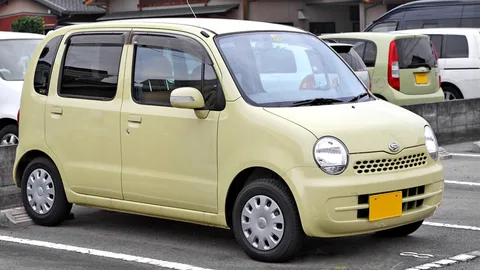
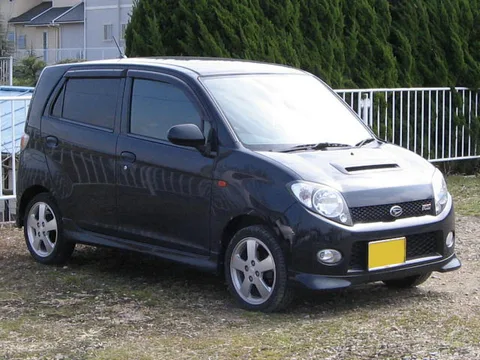
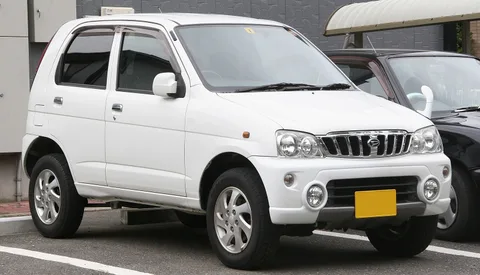
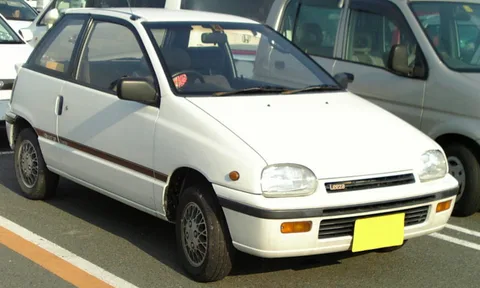
Toyota Cami
90-იანების ბოლოს ტოიოტამ კიდევ ერთი მინი-SUV გაასაჯაროდა და Cami-ს სახელით გამოუშვა — კეი-კლასის ფარგლებში ჩასატევი, პატარა სხეულისა თუ ფასის მიუხედავად შიგნით გაოცებით ბევრი ადგილი, ოფროუდზე გასასვლელი მინიმალური უნარიც კი. იაპონიის გარეთ იშვიათად გადაიპარსა, მაგრამ ტოიოტას SUV-ების კარიბჭედ იქცა და Rush-ის მსგავს ახალ მცირე კროსოვერებს დაუდო საფუძველი.
ისტორია
ნაბიჯივით რომ არ ამოვარდნილიყო, Daihatsu Terios 1997 წელს თბილად რომ მიესალმა, ტოიოტამ თავისი გრილი და ოვალ აწარფიტული ემბლემა დაუმაგრა და Cami-ს სახელით გაზამ, რათა ოჯახში ახალი წევრი შიდა ბაზარზე მარტივად გამჟღავნებულიყო. თითქმის მთელივე ცხოვრება იაპონიაში გავლო, ორუ დათარიღებისას Terios-ის პირველი თაობის გვერდით იდგა, 2005 წლამდე იარგება და ტოიოტამ რუშისკენ უფრო დიდი ფასადნა დაიწყო.
დიზაინი და მოდიფიცირებადობა
3 785 მმ სიგრძე, 1 555 სიგანე, 1 695 სიმაღლე — იაპონური კეი-ნორმების რუსიფიკაციას შეუცდით და მაინც 1 050 კგ-იანი საწყისი მასაა. ზემოდან ხორციელი ფორმის მიუხედავად, ადგილები ჩიჩილაკებამდე მიეპირთება, უკანა სავარძლებს მოხრილად საბარგულად გადაქცევისას ოთხი მოზრდილი ადამიანი და ლუდის კიბა თავსდება, ხოლო არაავტომატური უკანა წელზე ელვაქრუსი რამდენიმე კვოტაზე შილა გადასვლას არ მოგირჩენს, ჩაგუგების ხარჯზე დიზელურივით გისკდება.
მემკვიდრეობა
ციფრი არ უწყობს უკანა პლანირს, მაგრამ Cami ნატირებად პრაქტიკული მიმოხვევით Rush-ის აპატური იყო: საერთო პლატფორმის გამოცდილება, სუსტს ადგილას ლურჯი მარაგები და პატარა ზომებში აშლილი ლუდსი. დღეს ნაღდად შემონახულები თვალი გადაწევენ უციხო კეი-ვეტერანების შეკრებებზე და კომპაქტცერებისseq ეთნოგრაფების ნემს ადვილად არ ეყრებიან.
English version
In the late 1990s a rebadged version of the Daihatsu Terios was marketed as the Toyota Cami, giving Toyota a kei-compliant mini-SUV whose petite footprint belied generous interior space and a modicum of off-road ability. Rare outside Japan, the Cami provided a low-cost stepping-stone to more traditional Toyota SUVs and quietly sowed the seeds for later light crossovers such as the Toyota Rush.
Story
When the original Daihatsu Terios appeared in 1997, Toyota quickly applied its own grille and oval emblems, launching the vehicle as the Toyota Cami. Sales remained limited mostly to the domestic Japanese market, ensuring the model stayed scarce in export showrooms. Production overlapped the first two Terios generations until around 2005, after which the badge-engineering program quietly wound down as Toyota turned its attention to the higher-volume Rush.
Design & Scalability
Length is kept to a city-friendly 3785 mm, width to 1555 mm, and roof height to 1695 mm, placing the Cami squarely in Japan’s kei-car outer limits while still providing a 1050 kg foundation for usable cargo capacity. The upright bodywork and minimal overhangs disguise a space-efficient cabin capable of carrying four adults with the rear seats folded, and optional part-time four-wheel drive adds light trail confidence without significantly enlarging the mechanical package.
Legacy
Although never a volume seller, the Cami previewed Toyota’s later transition into compact crossovers: engineering lessons learned on the co-developed Terios/Cami platform fed directly into the more globally orientated Toyota Rush that arrived in 2006. As the original diminutive SUV fades from everyday view, well-preserved early examples have attained niche appeal among kei-car enthusiasts and collectors seeking miniature adventure machines.