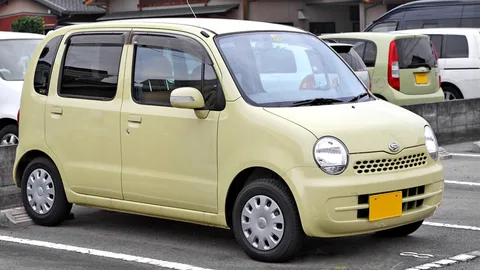
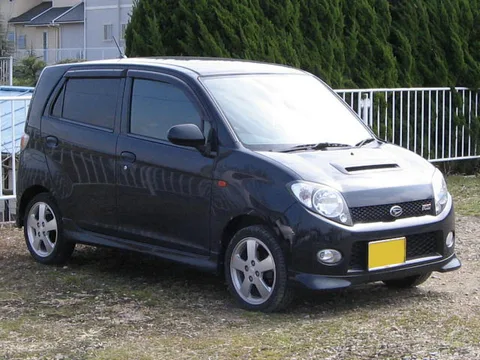
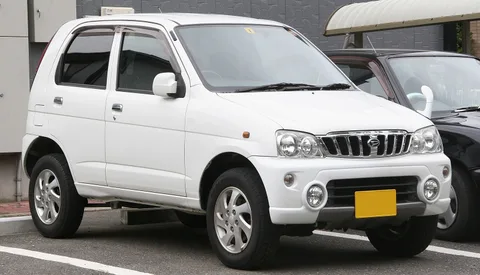
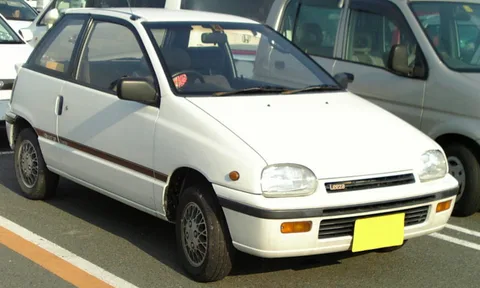
Daihatsu Midget
Daihatsu Midget წარმოსადგენ თითქოსდა დედამიწის ყველაზე პაწია სამუშაო ტვირთმანქანაა — კეი-კლასის ერთადგილიანი “პიჯაკი” იაპონური ქალაქების ვიწრო ჩასაღამებიდან აბაზანაში რომ შეუძლებს დაძვრა.
საწყისი ნახაზები
50-იანების ბოლოს, როცა ტოკიოს ქუჩები სულ უფრო პატარავდებოდა, Daihatsu-ს ინჟინრებმა მიიღეს ამოცანა: მოიტანონ ისეთი მანქანა, რძის მაღაზიასა და სოკოს ბაზარს შორის რომ იდეალურია. პირველ სკეჩებზე სამთვალა სქემა იდგა: მძღოლი წინ, მოტორი უკან, გვერდით კი სატვირთო საწერი. წონა მინიმუმ, მანევრი ულიმიტო. ორიოდე კომპასის ხაზით აქვს დაწერილი — იმდენად პატარა, რომ სატრანსპორტო გადის თითქმის ტროტუარზე.
თაობების კომპასია
თითო შემოწმებაზე ის ისე ვიზრდებოდა, როგორც კეი-წესები იზრდებოდა. 1957-ის სამთვალა OG შემდეგ 70-იანებში ოთხბორბლიანს დაემატა. 90-იანების უკანასკნელ ვერსიას უკვე მეორე სავარძლიც ჰქონდა და ფორმულა 3.4 მ-მდე სიგრძეში იჯდა. ყოველი გაზრდა ერთი შეხედვით უმნიშვნელო — 50 სმ რიგითი გახლავთ — მაგრამ ნავი ტუმბოშია, საჭირო მაჩვენებელი კი მაინც კლასში შეჰყავდა.
უბნის სახე
რამენის ბარს, ამფიტეატრის მიწის ნაკვეთს თუ ეზოსთან დაბმულ ყვავილების კიოსკს — ყველგან Midget-ის ნანახია. ჯერ თავად მანქანა თამაშის ჩანთას ჰგავს, მერე — მძღოლის ჩაჯდომის რიტუალი: ერთი ხელი საჭეზე, მეორე ტვირთის ყუთზე, სახეზე კი — ბორბლის შემხედვარე ღიმილი, იმდენად არიან ჩვეულნი მის კაბინას.
დღეს კოლექციონერების ეზოში
ადგილობრივი უსაფრთხოების რეგულაციები რომ გაამძაფრეს, წარმოება შეჩერდა, მაგრამ გადარჩენილი ეგზემპლიარები 20 კმ/სთ-ზე ობობასავით სრიალებენ კერძო ტერიტორიებს: სატყეო ფერმებში, სამშენებლო სადგურებში თუ ძველი ავტომოყვარულების სადარბაზოსთან. J-სერიის მარტივი ძრავი და დალშე დიაპაზონიანი კოლონა-მიმღები ისევ გადის წონასწორობის ფირზე — წინ კიბეა, უკან კლაპანი პროტესტით არ ჩასცილდება.
English version
Across multiple generations, the Daihatsu Midget has served Japan’s urban haulers as a pint-sized, single-seat kei truck and microvan built solely for maximum utility in minimum space.
Origins and Concepts
The Midget badge first appeared on Daihatsu's drawing boards in the late 1950s, aiming to give small shopkeepers and delivery firms an ultra-compact workhorse that could thread through narrow city streets and even passageways too tight for conventional light trucks. Early drawings show a three-wheeled cargo bed where the driver sits ahead of the rear engine, putting steering feedback and load security in one lightweight package.
Evolving Generations
Over the decades the Midget family splintered into distinct models: from the original three-wheeler of 1957 through second- and third-generation iterations that added a fourth wheel, a wider track, and eventually a two-seat microvan silhouette. Each revision reflected shifts in Japan’s kei-car regulations, stretching wheelbase and engine capacity while keeping overall length under the mandated 3.4-metre cap.
Cultural Niche
Neighborhood ramen stands, construction sites, and even neighborhood florist vans have deployed the Midget as a rolling dollhouse of cargo efficiency. Its upright windshield and toy-like proportions made it a favorite in Tokyo alleyways, where drivers learned to fold themselves into the tiny cab with one hand on the column-shift and a crate of goods in the back.
Today’s Footprint
Though production eventually wound down as safety requirements toughened, surviving Midgets now appear in Japan’s hobbyist circles and low-speed private campuses rather than main roads. Owners prize the J-series engines for simplicity and the original dual-range gearbox that still lets the little hauler crawl up loading ramps without complaint.