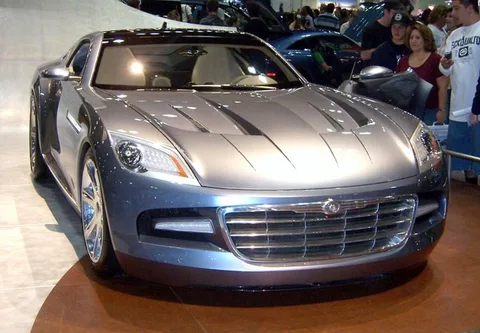
Dodge Charger 1981
წარმოება: 1981–
1981-იანიდან 1987 წლამდე კონვეიერზე გადიოდა Dodge Charger-ის L-კორპუსის ვერსია, რომელიც Omni 024-ის ადგილს დაიკავა. ეს იყო პირვადი წინა ხელმძღვანელყოფილი „სპორტული კომპაქტი“, რომელმაც სიცოცხლე შენარჩუნებულ წამგებიან მასლ-ქარ სახელს ჰაჩბეკის პრაქტიკულობა შეურიგა.
ისტორია და კონტექსტი
1981 წლის Charger-მა ჩაიშვა რეალობა: კრაისლერი სრულად ფართო პასუხად პატარა, ეფექტურ ბენზინის წინა წამყვანებზე გადავიდა. Omni-სა და Horizon-თან ერთ L-პლატფორმაზე ვითარდებოდა და Charger-ის ბეჯს პირველად არ გადააგდებდა — უბრალოდ კომპაქტურ ზომამდე დაასველებდა.
დიზაინი და გაბარიტები
ორკარიანი ჰაჩბეკ-ფასთექის ხაზზე 96,6-დიუიმიანი ბაზა იდგა: 1676 მმ სიგანე, 1306 მმ სიმაღლე. გამჭვირვალე, კილა-კუთხიანი პროპორციები ევროპულ ჰოტ-ჰაჩებს განუწვევდა, წესით კი — წინა პატარა მასლიანი კუპეს თვიურ ხაზებს.
ტყუპი: Plymouth Turismo
სულიწყვრადად იდენტური ტექნიკით, Plymouth Turismo ძირითადად სხვა ბლეკით გამოირჩეოდა და ოდნავ განსხვავებული ტრიმი ჰქონდა. იგივე L-პლატფორმას სხვა ლოგოთი გთავაზობდა.
გენერაციები და მემკვიდრეობა
1987-ში კონვეიერი რომ გაიჩერეს, ადგილი Dodge Shadow-მა დაიკავა. ეს ექსპერიმენტი Charger-ის სახელს გამოქვაბული წლების გასამაგრებლად გადაარჩინა და 2006-ის უკანა წამყვან LX პლატფორმაზე დიდი დაბრუნების სტადიაც გაიმზადა.
English version
Built from 1981 to 1987, the L-body Dodge Charger replaced the Omni 024 as Dodge’s front-wheel-drive sport compact, bringing hatchback practicality to a fading muscle-car nameplate.
History & Context
The 1981 Charger signaled Chrysler’s wholesale pivot to smaller, fuel-efficient front-drivers after the energy crises. Sharing the L-platform with the Dodge Omni and Plymouth Horizon, it tried to keep the Charger badge relevant by downsizing rather than retiring the name.
Design & Dimensions
Two-door hatchback/fastback styling rode on a 96.6-inch wheelbase, measuring just 1676 mm wide and 1306 mm tall. Its crisp, wedged proportions echoed European hot-hatch trends rather than the muscular lines of past Chargers.
The Twin: Plymouth Turismo
Mechanically identical, the Plymouth Turismo offered subtle badge-engineered styling cues and slightly different trim, giving buyers an alternative path to the same L-body chassis.
Generations & Legacy
After production ended in 1987, the L-body Charger was followed by the Dodge Shadow. The experiment kept the Charger name alive during dark years for performance cars and set the stage for its triumphant return on the rear-drive LX platform in 2006.