Bugatti 57 Galibier
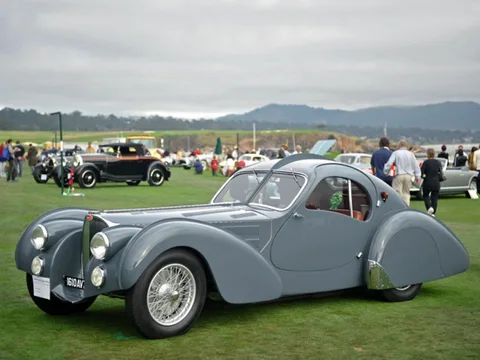
Bugatti Type 57 Galibier – სამოციანი წლების ყველაზე ელეგანტური სედანი, რომელიც ორ კარზე მომაჯადოებელ სუპერ-კუპეს, ზემოთ ჩამოწია სახურავით გადააქციეს. დაიგრძელა ბაზა, გამრუდდა სახურავი, დადგა „სუიციდზე“ შეხედული უკანა კარები – და გრძელი კუპე უცებ გახდა მფრთხილე ბიზნესმენის ოცნების მანქანა. მოლშაიმის ახალგაზრდული ნახტომი სტილში, რამაც 90 წლის შემდეგაც კვლავ ასახელა სახელი.
ისტორია და ფონი
1934 წლიდან კუპეებისა და კაბრიოლეტების პარალელურად დაბადებული Galibier ალპების უმაღლესი უღელტეხილის სახელს ატარებდა — თითქოს ითქვა, "მთის გზა გადისო". უფრო მულტფუნქციური კლიენტი ითხოვდა: საათში 150 კმ/სთ საამაყო გამოცდილება დილის შეხვედრაზე რომ მიეყვანა შვილი სკოლაში. ბუგატიმ თავისი Birkin-ის ბიჭები არ დაკმაყოფილებდნენ — შეკვეთა მიიღეს და შეუკვეთეს ფრანგული მზარეულები: Gangloff, Letourneur et Marchand. პროტოკოლების გარეშე ოფიციალური წარმოების დღიურების ნაცვლად დარჩა სადავეებში შემთხვევითი ფურცლები და გადაუდებელი საჩინველი — დღესდღეობით 8–10-მდე ნამდვილი ეგზემპლარია.
დიზაინი და კაროსეები
3.3-მეტრიან ბაზაზე დახვეწილი საცხოვრებელია – წინა უბნის კონკრეტული ფერდობები მკაფიოდ მრგვლდება, უკან თითქოს კვდება, მერე კი ზრდილობიანი ფართო სახურავით გაიზრდება. უკანა კარები უკან ღებულობენ, ტიტულოვანი სტილია. არც ერთი ზედმეტი ნაკერი: ხშირად დაგხვდებათ ცხენჩლაკიანი ბადე, შიგნით კი – სალონის ღერების მშვენიერი დაწყობა Conolly ტყავსა და walnut-ის პანელებში.
ტექნიკური მოწყობა
საწირის 3.3 ლ წრფივი რვაკუთხას გუნდი — იგივე ძრავა რაც Atalante-ზე, მაგრამ 1.6 ტ-ნ მსუბუქი სალული უნდა შეეწბა. 135 ცხენის ძალის შემდგომ მოდელებში Roots-ის გამაძლიერებელი 160-მდე ავსებს. 4-საფეხურიანი მექანიკა და ბუგატიშ კლასიკური live rear axle არ წარმოდგება წინ არცერთი საბრუნი ელემენტიდან — დიდი ნოტებით პირდაპირ 150+ km/h შედიან სხივში, 1930-იანების სტანდარტით ეს უკვე სპორტ-კატაა.
ტოტალური მემკვიდრეობა
მეორე მსოფლიო ომის შემდეგ Type 101-მა ვერ განაგრძო ორსაჭიანი კონცეფტი. დღეს Galibier – Type 57-ის ყველაზე იშვიათი სხეულია, წელზე რომ მთელი პაემანი გვაქვს. რამდენიმე ნომერირებული თვითფრენი კვლავ ანგარიშს უწევს პებლ-ბიჩებს. 2009-ში Bugatti 16C Galibier-მა კონცეფტად დააბრუნა სახელი; წყვილმა LED-ებამ უკუგება ასლაიტს, რათა კიდევ ერთხელ ახსენონ ის შვიდი დამოუკიდებელი წლები.
English version
The Bugatti Type 57 Galibier was the four-door saloon variant of Bugatti’s celebrated Type 57 line from the 1930s. Its gracefully tapered roof and extended wheelbase turned a grand-touring chassis into a rare executive Bugatti, foreshadowing later formal sedans from Molsheim.
History and Context
Introduced in the mid-1930s alongside coupés and cabriolets of the Type 57 family, the Galibier – named after a high Alpine pass and the famed railway sleeping-car interior – was created to answer requests for a refined yet sporting sedan. Only a handful were bodied by Bugatti and select French coachbuilders, delivered mainly to European clientele seeking daily usability without forsaking the marque’s performance reputation.
Because production records were never centralized, exact numbers remain hazy, but survivors suggest fewer than a dozen Type 57 chassis received the formal Galibier coachwork.
Design and Coachwork
The car rode on the Type 57’s 3.3-meter wheelbase but featured a longer, squared rear roofline and rear-hinged ‘suicide’ back doors for dignified ingress. Most examples displayed Bugatti’s trademark horseshoe grille, sweeping fenders, and skirted rear wheels. Interiors mixed aircraft-inspired instrumentation with Connolly hides and walnut dashes, creating a gentle-club ambience rare among contemporary sports sedans.
Mechanical Architecture
Power came from the same straight-eight, 3.3-liter, twin-cam engine as other Type 57 variants, producing around 135 bhp with optional supercharging on later cars. A four-speed manual gearbox and Bugatti’s robust rear-axle design allowed the 1.6-ton sedan to exceed 150 km/h—remarkable velocity for a full-bodied four-door of the era.
Legacy
With no direct successor until the post-war Type 101, the Galibier remains the rarest body style of the Type 57 family. A handful continue to tour elite concours events, and the name itself was revived conceptually in Bugatti’s 2009 16C Galibier show car, paying homage to the 1930s original.