Bugatti Type 52
1927 წელს, პარიზის შოურუმების გასახალისებლად, Bugatti-მა წარმოუდგინა საზოგადოებას Type 52 – ელექტრო პატარა ძმად Type 35 გრან პრის მრბოლელისა, რომელიც პატარა ნოშრებს ნამდვილი Bugatti-ის საჭეზე დასვამდა და ბრენდს კიდევ უფრო ლეგენდად აქცევდა.
საწყისი და ამოცანა
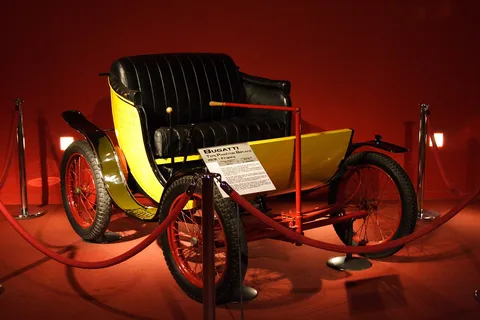
ეტორე ბუგატიმ Type 52 ისე დაგეგმა, როგორც შოურუმის მიმზიდველ სათამაშოს და მდიდარი კლიენტების შვილების საწვრთნელ მოდელს. Molsheim-ში დიდების გვერდით შეკრეს ეს პატარებიც – ნამდვილი leaf spring-ები, საკაბელო მუხრუჭები და სპილენძის რვაბარიანი სპილები უბრალო 12/18 V ელმოტორს უკავშირდებოდა ჯაჭვით როგორც საბოლო გადაცემათა კოლოფი.
დიზაინი და ვერსიები
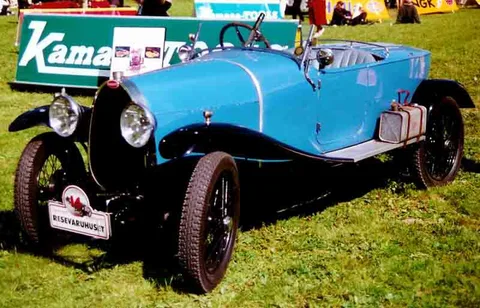
მაღაზიაში გიონტი ორი სხეული იდგა: მოკლეცხვირიანი კუპე, უმცროსებისთვის, და გრძელცხვირიანი – 10 სმ-ით წინ გაწელილი, გამხდართა ახალი თაობისათვის. ორივე შეინარჩუნა horseshoe-რადიატორის ფორმა და ხუთი სხეულისფერი ზოლის ხრიკი; პერიოდის ფოტოებში თავს „ბრეშა“-ლურჯი და ორფერი შესაღებიანი იხილება – ზუსტად ისეთი, როგორც დიდი Type 35-ის.
ვადაგამოცდილი ისტორია
თითქმის ხუთი წლის განმავლობაში დაახლოებით 500 შეიქმნა და დღეს ცნობილ 90-მდე მთლიანი ეგზემპლარია დარჩენილი. მათ ამჟამად კოლექციონერები არა მხოლოდ ინახავენ – პირველი „ნოშრების“ შვილებად გაზრდილი მფლობელები თავადაც მანეკენსავით იცვლიან და 15 კმ/სთ-ის სიჩქარით მემკვიდრეობამდე მისვლას იხსენებენ.
English version
Marketed in 1927, the Bugatti Type 52 was a 50-percent-scale electric replica of the Type 35 Grand Prix winner, purpose-built to put young drivers behind a genuine Bugatti wheel and to burnish the marque’s early brand mystique in France.
Origins and Purpose
Ettore Bugatti conceived the Type 52 as a showroom traffic-builder and training tool for the sons of wealthy customers. Constructed in Molsheim alongside full-size cars, it married authentic Bugatti chassis engineering—scaled leaf springs, cable brakes and cast-aluminum eight-spoke wheels—to a modest 12-/18-volt electric motor driving a chain final-drive.
Design and Variants
Two body styles were offered: a short-nose coupé for smaller children and, in higher volume, a long-nose version extended 10 cm ahead of the firewall to accommodate taller youngsters. Both kept the distinctive horseshoe grille and quintet of body-color fins; period photos reveal “Brescia”-blue or two-tone paint identical to the parent Type 35 palette.
Production Record
Total output reached roughly 500 units over five years. Today, fewer than 90 complete Type 52s are known to survive—still coveted both by collectors and by the grown-up “children” who first lapped their estates at 15 mph.