Bugatti Type 46
1929–1936 წლებში ბუგატის მიერ შექმნილი Type 46 კომპანიის ისტორიაში უნიკალური ფაზაა — პირველი არხასაზღვრო კონი, რომელიც Molsheim-ის რბოლების გენებს გრძელ მოგზაურობაზე გათვლილ GT მოდელთან უხამებს. ეს ანტრაქტი Type 50 და Type 50B-ის წინაპარი გახდა.
ისტორია
ბუგატის აყვავებულ ხანაში, 1929 წელს Type 46 გამოტყდა — პასუხი იმ პერიოდის ბეშასტ მძღოლებზე, რომლებსაც სწრაფი, მაგრამ რეგულარული მოგზაურობებისთვის განკუთვნილი კარი უნდოდათ. წარმოება 1936-მდე გაგრძელდა. შუალედში 1930 წელს გაჩნდა უფრო ძლიერი Type 50, ხოლო მალევე ჰაერის შემკვრელით აღჭურვილი Type 50B გამოჩნდა — სამნი დედა − ეტალონური სამეული.
დიზაინი
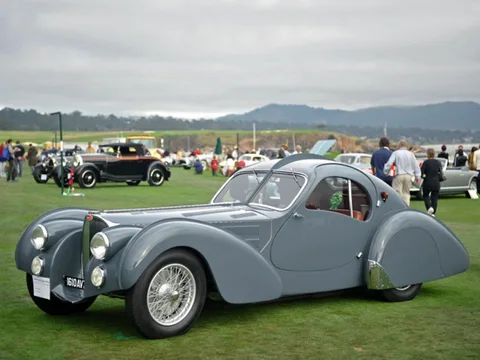
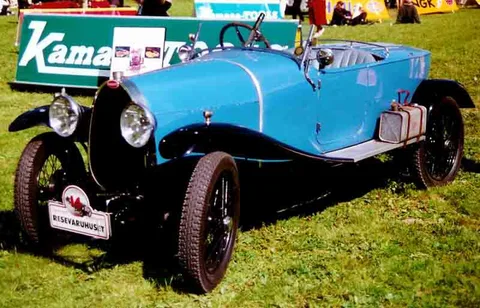
დღეს რომ დაინახო, მაშინვე დაგეტყობა — ეტყობა, ბუგატიაო: სულ ჯოხივით გაჭიმული კაპოტი, პატარა წამისოფელი და შევიწროტილებული უკანა ჰაბი. შპანერლი ხის კარკასზე მონტირებული ტარება, მოხერხებული ბარგული გალია და ისტორიული, ახლანდელი ბრენდინგის სიმბოლოდ ქცეული horseshoe-რადიატორი — თითოეული დეტალი თავის დროზე რბოლის იმპულსით იყოს აზიდული.
თაობები & ვარიანტები
ერთი ჩარჩო, სამი გარჩევა: Type 46-ის პირველი ტოლფასი ორფაზიანი წყვილსაპლატფორმელია. 1930 წელს Type 50-მა გადაიხვია — იგივე ბონნეტი, მაგრამ გაზრდილი მოცულობა და უფრო ნაზი კლაპანური მექანიკა. შემდეგ მოვიდა Type 50B უთქველი კომპრესორით — მწვანე მახასიათებლების მოდილი და სერიის ტერმინალი გამოდგა. ყველა სამივე მოდელის ძირითადი შასი ერთია, უბრალოდ ძრავამ თანდათან ჭკვიანი გამოდგა.
English version
From 1929 until 1936 Bugatti built the Type 46, the first of a closely related trio that included the later Type 50 and Type 50B. In an era of blossoming grand touring culture, this carefully engineered model bridged Molsheim’s racing pedigree with the growing demand for fast, elegant touring cars.
History
Developed during a period of rapid expansion for Bugatti, the Type 46 emerged in 1929 as the marque’s answer to wealthy motorists seeking a high-performance car suitable for long-distance travel. Production continued through 1936, overlapping with the even more potent Type 50 introduced in 1930 and the supercharged Type 50B that followed shortly after.
Design
Identified today simply as a "touring car," the Type 46 wore unmistakable Bugatti proportioning: a long bonnet flowing into a compact passenger compartment and carefully tapered rear. Details typically included pressed-steel bodywork over wood framing, generous luggage space, and the horseshoe grille that would become synonymous with the brand.
Generations & Variants
Bugatti refined the concept across three closely related models: the original Type 46, the larger-engine Type 50 introduced in 1930, and the supercharged Type 50B that crowned the series. Each retained the same fundamental chassis architecture while adopting progressively more sophisticated valvetrains and forced-induction technology.