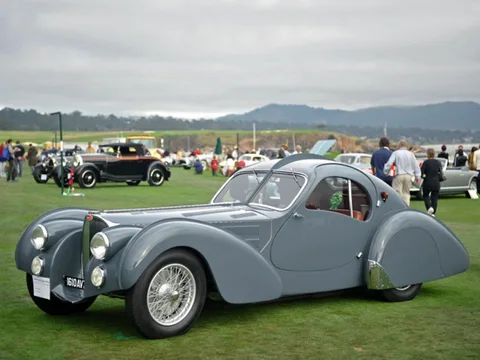
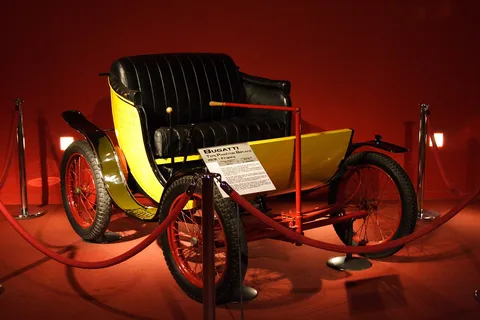
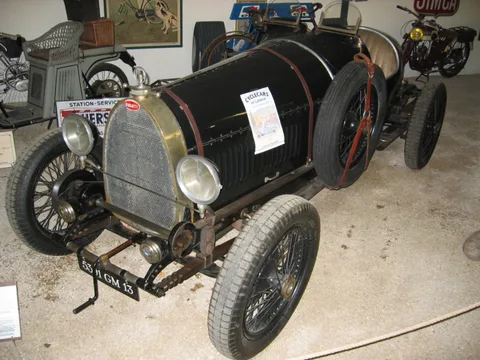
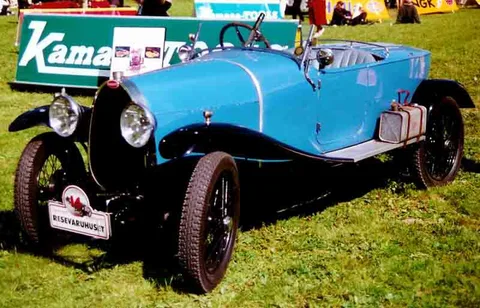
Bugatti Type 40
1926-1930 წლებში, მოლშაიმის Bugatti-ის ქარხანაში შეჭრილი Type 40 აისახა, როგორც მოხერხებული 1.5-ლიტრიანი სპორტ-ტურინი, რომელმაც ეტორე ბუგატის პატარა Type 37-ს და უფრო დიდ ტურინგებს შორის ნაპრალი დაახურა.
კონსტრუქცია და ინჟინერია
2400 მმ წვერის ბაზაზე მარქნული Type 40-ს გაუვლია ბუგატისთვის ნაცნობი სწორი რადიატორი, გონებაში ამოხტული ჭედილი ალუმინის სარდენებითა და Type 37A-ში გამოცდილი რვაკლაპანი 1.5-ლიტრიანი ოთხბურთიანი მაძრავით. დამატება ერთი Solex-ით კარბიურატორი იკვებებოდა, უკუხოლობის გადაცემით და ოთხბუთხ ყოფად ყველაფერს სჭირდა, რომ მძღოლმა ზუსტი კონტროლი დაიჭიროს, როგორც ნებისმიერი ბუგატისთვის ითვალისწინებდა ეს ხანა.
სტილი ტიპები
Bugatti Type 40-ს სხვეუკე სცენას საყალიბო კაროზერიებით გასატანად დალაგებდა, თუმცა ქარხანაც ორი ძირითად კონფიგურაციას სთავაზოვდა: ორადგილიანი ღია ტურერი და ოდნავ დახურული ოთხადგილიანი ვარიანტი. 1929-ში გამოჩნდა მუხტიჭერი Type 40A, სუპერჩარჯვითა და გარჩეული აჩქარით, ასეთი ჩხრეკა განზე მოშორებულ საათდებზე.
გამოზამები და მემკვიდრეობა
ძირითადად 780 მანქანა ჩამოდინეს ოთხ სეზონში, 1930-ში დასასდეულებული. Type 43 Grand Sport-ის გაშაყრაში ჩამატემათ, მაინც მსუყეა Type 40 ვინტაჯ-რალი მოყვარულებისთვის — მსუბუქი წონა, სახისულ ტარება და განურჩეველი Bugatti-ის დეტალები მხვდება ყველაფერს.
English version
Produced at the Bugatti works in Molsheim between 1926 and 1930, the Type 40 was a nimble 1.5-litre sports tourer that filled the gap between Ettore Bugatti’s tiny Type 37 racer and the larger touring cars of the late 1920s.
Design and Engineering
Built on a short 2400 mm wheelbase, the Type 40 used Bugatti’s familiar flat radiator, distinctive cast-aluminium wheels, and the proven eight-valve 1.5-litre four-cylinder engine also seen in the Type 37A. A single Solex carburettor fed the 1496 cc powerplant, while rear-wheel drive and a four-speed gearbox gave drivers the precise control expected of any Bugatti of the era.
Body styles and variants
Bugatti supplied the Type 40 as bare chassis for bespoke coachwork, yet the factory itself offered two main configurations: an elegant two-seat open tourer and a slightly more enclosed four-seat version. A supercharged Type 40A, introduced in 1929, boosted output and delivered crisper acceleration for competitive customers.
Production and legacy
Roughly 780 examples were built over four seasons, ending in 1930. While overshadowed by the faster Type 43 Grand Sport that followed, the Type 40 remains sought-after by vintage-rally enthusiasts thanks to its light weight, crisp steering, and unmistakable Bugatti detailing.