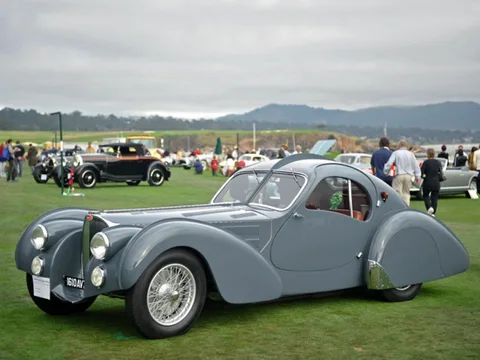
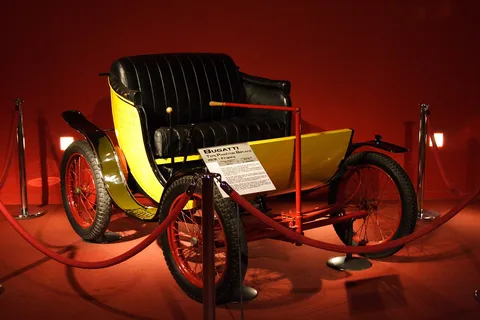
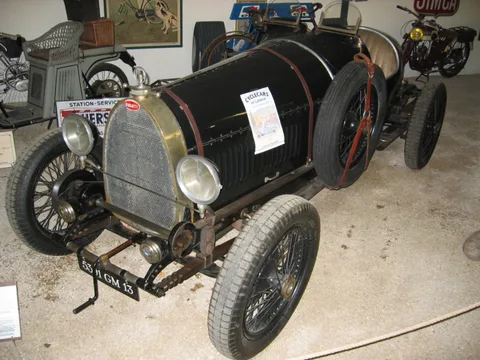
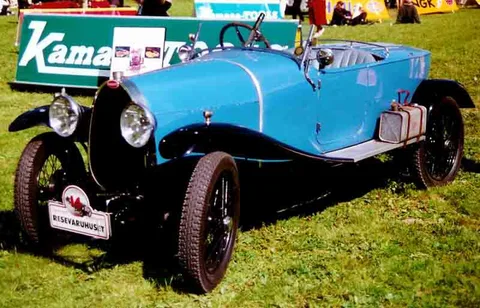
Bugatti Type 18
ჯამში შვიდი ჩარჩო გავიდა მოლშაიმიდან და დღეს მხოლოდ სამიღა ბრუნავს მსოფლიოზე — ესაა Bugatti Type 18, 1912-დან 1914-მდე ნამოსები ობურგღრღნილი გრან-პრი ჯართის შესახებ.
ისტორია
მაშინ, როცა ეტორ ბუგატის კომპანია სულ სამ წელს ითვლიდა, ტიპ-18 პირველ ფორმას დატოვებდა. ჩარჩო პირდაპირი მემკვიდრეობა იყო იმ მოდელებისა, რომელსაც ის დეუტსისთვის ათავსებდა, მაგრამ მასზე უკვე ორიგინალური თაფლისბუდესებრივი რადიატორი შეერსებოდა, პირველად ტიპ-13-თან ერთად წარდგენილი. მხოლოდ შვიდი გაიკვალეს, სანამ ომმა ფუფუნების მძაფრი ნაწარმი ჩააქრობდა.
ნაკეთობა და ტექნიკა
ბუგატიმ დეუტსის გამოცდილებას დააყოლა და განათავსა განბლოკილი ლეიბერის ჩარჩო, სავარაუდო უკანა მუხლჩამაგრი, და ყველაფერი 1247 კილოგრამ ალუმინიუმ–შეფუთულად შეკრა. წამყვანი იყო მსუბუქად შემოდგმული 5.0-ლიტრიანი OHC ოთხცილინდრიანი, რომელიც ოთხსაფეხურიან ყუთს ჩაჰყურებდა. საჭირო ყოფილიყო მთელი 20-იანი წლების წინა რუხი საფრანგეთის გზები, რომ შეეგრძნო, როგორი სიმსუბუქე შესძლებია მხოლოდ რეისულ მანქანას.
გადარჩენილები
შვიდიდან დაბეჭდილი სამი გადარჩა, სამივე დღესდღეობით კერძო კოლექციების ბომონდია და მუზეუმის შლის სახელით იბეჭდება. როცა რომელიმე ხელიდან-ხელზე გადადის, ფასი სულაც არ ამობრკოლებს — მარტო ფოტოგრაფიებს უტოვებს ადგილი.
English version
Fewer than ten Bugatti Type 18s ever left Molsheim, and only three remain — a four-cylinder Grand Prix relic crafted between 1912 and 1914 before the Great War silenced Europe’s factories.
History
Ettore Bugatti’s fledgling company was barely three years old when the Type 18 slipped off its line. Built from 1912 to 1914, the chassis was essentially an evolution of the machines he had created for Deutz Gasmotoren Fabrik, yet crowned with the compact honeycomb radiator first seen on the concurrent Type 13. Just seven rolled out before wartime priorities shut down luxury car production.
Design and Engineering
Because Bugatti leaned on his Deutz experience, the Type 18 retained a straightforward ladder frame and a live rear axle, wrapped in 1247 kg of aluminum and wood. Performance then came from a rev-happy 5.0-liter overhead-cam inline four paired with a four-speed gearbox, giving the light roadster race-car reflexes on the rutted pre-war roads of France.
Survivors
Of the seven chassis, today only three survive, making each Type 18 a centerpiece of preservation literature and private collections. Their scarcity has magnified both curiosity and auction valuations whenever one quietly changes hands.