Bugatti Type 13
თუ ეტორე ბუგატი 1910 წელს კომპანიას დააარსებდა, Type 13 გახდა პირველი მანქანა, რომელზეც მხოლოდ ეს გვარი გამოიკვალა ბადეზე — და სიჩქარის გენი მაშინვე სისხლში ჩაუდგა. თეთრეული არა, მისი სიგრძე მხოლოდ 2,8 მ იყო, წონა 450 კგ-მდე ასვლიდა, ხოლო დედამიწაზე მხოლოდ 435 ეგზემპლარი გადარჩა. მაგრამ სწორედ ეს ავტო-ბაბუაა, რომლის ტექნიკური სვლებიც ყოველ ახალ Chiron-ში ისევ გაისმის.
როგორ დაიწყო
ბუვატის პირველი გამოცდები Type 10-ით ველოსიპედ-მოტორით დაიწყო, თუმცა Type 13 პირველი იყო, რომელიც სრულიად საკუთარ ბეჯზე გამოვიდა. წარმოება უკვე მოლშაიმის ქარხანაში დაიხურა — საძარაფი შასი ხელნაკეთად, გვერდით კი 4-ცილინდრიანი ძრავაც იშენებოდა. 1913 წლისთვის ოთხი ვარიანტი — Type 15, 17, 22, 23 — უკვე ერთსა და იმავე არტერიულ ზომებს ინარჩუნებდა, ხოლო თავი და საყრდენი ნელ-ნელა იხვეწებოდა.
ტექნიკური გამოგონება
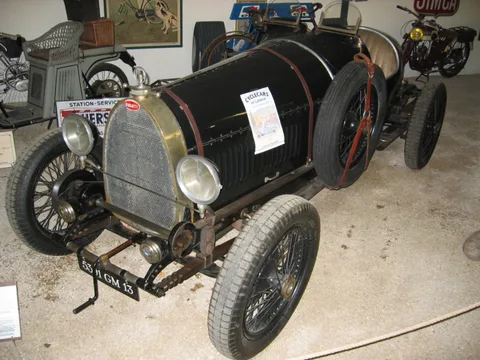
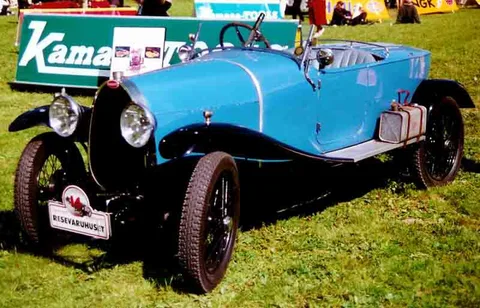
ჩვეულებრივი Type 13-ები არსებითად რვაკლაპანიან SOHC ბლოკით მოძრაობდნენ, მაგრამ ბუკატიმ უკვე ხუთ კონკურენტიან ვერსიას 16-კლაპანიანი თავით შეუკეთა — ოთხი სარქველი ცილინდრზე, როცა რვა უკვე შოკად ითვლებოდა. ეს 16-კლაპანიანი სახე დღესაც ითვლება სერიულ წარმოებაში გამოყენებულ პირველადას. მსუბუქი 450 კგ-იანი შასი 2,8 მ-ზე ყოველ დამატებულ ცხენს შრიალობით იყენებდა.
რბოლებში ფოლკლორი
1911 წლის ფრანგული გრან-პრის ტესტებიდან დაწყებული, პლეისტოკის შემდეგ ვუეტეტებამდე, ამოწურული Type 13-ები პოდიუმს რეგულარულად იჭერდნენ და იყიდებოდნენ. გაზეთები დღიურად «პირსანგს» — ჯინაზე აღზრდილი წერილს — ეძახდა, რაც ჯერ მათ პირწავარდნილ სულს გულისხმობდა, შემდეგ კი ელეგანტურ დიზაინს, რომელიც შემდგომ უზარმაზარი bugatti-gt-ების წინამებად გადაიქცა. წარმოების შეწყვეტის შემდეგ Type 13-ის განზარდული მოტორები კიდევ ათი წელი მიტოვებულ სპრინტ-ბოტებსა და ციკლკარში იღვწოდნენ — და ამბის ძებნა არ გაუჭირდათ.
English version
When Ettore Bugatti founded his company in 1910, the Type 13 became the first automobile to bear the family name alone, establishing the marque’s racing DNA and setting the stage for 110 years of performance heritage. A tiny 28-centimeter vehicle weighing barely more than two grown men, it only carried 435 copies into the world before production ended in 1920, yet its engineering decisions echo in every modern Chiron.
Origins
Bugatti’s earliest ventures began with the bicycle-engined Type 10 prototype, but the Type 13 was the product actually stamped with the Bugatti badge. Production started as soon as the Molsheim works came online, with coach-built chassis fabricated alongside the first proprietary 4-cylinder engines. Four distinct variants—Types 15, 17, 22, and 23—followed by 1913, sharing core dimensions with the original while evolving head-work and suspension layout.
Engineering Breakthrough
Classic road-going Type 13s delivered power through a compact eight-valve SOHC unit, yet Bugatti simultaneously built a short run of five competition cars with 16-valve cylinder heads—four valves per cylinder when eight was considered radical. These 16-valve heads are widely recognized as the first ever fitted to a production automobile, granting larger breathing capacity and boosting rev ceilings well beyond 1910 norms. At only 450 kg and 2.8 metres long, the chassis was light enough to exploit every extra horsepower.
Racing Legacy
From 1911 French Grand Prix trials to the post-Armistice voiturette events, stripped Type 13s earned podium finishes that convinced buyers Bugatti was more than another boutique marque. Newspapers soon nicknamed the refined road versions pur-sang, hinting both at their thoroughbred spirit and the signature elegance that later defined full-size Bugatti grand tourers. Even after production ceased, over-bored Type 13 engines reappeared in sprint boats and cyclecars until the 1930s, prolonging the car’s legend well past its official curtain call.