VAZ-2106
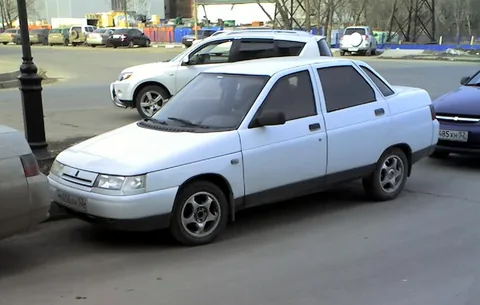
1976 წელს „ავტოვაზმა“ წარადგინა VAZ-2106 – ორიგინალური ჟიგულის ევოლუციის მეექვსე ნაბიჯი, რომელმაც საბჭოთა კავშირში დიდ ხანს იცოცხლა და რუსეთის მასობრივ ავტოსადგომზე უპრეცედენტო გამოცდა დადო.
ისტორია და გლობალური გზები
ვაზ-2106-ის მოდელი 1976 წელს დაიბადა VAZ-2103-ის ფონზე. კონსტრუქცია ფატ 124-ის პლატფორმას ემყარა, თუმცა გამოიყვანეს ახალი წვერის სიგნალური ფარები, შავი რადიატორის ბადე და გაზრდილი 1.6-ლიტრიანი მოტორი. შინ ხალხი მას „შესტიორკას“ ეძახდა, ექსპორტზე კი Lada 1600 ან Lada 2106 გადაეწურა. წარმოება ტოლიატის ძირითად კორპუსში დაიწყო, მერე იზვესკის Avto-ს და უკრაინული Anto-Rus-ის სადგომებშიც გავრცელდა. ბოლო იზვესკელი სედანი 2006 წელს გამოვიდა, სულ 30 წლის ფონზე.
დიზაინი და გაბარიტები
ავტომობილი უცვლელი სამი ყუთის სილუეტით დარჩა, თუმცა ზომები მართლაც კომპაქტური იყო: 4.17 მ სიგრძე, 1.61 მ სიგანე, 1.44 მ სიმაღლე – ეს საბჭოთა ყოველდღიური ტრაფიკისთვის სრულიად კარგად გამოირჩეოდა. წონა 1 045 კგ-ით შემოიფარგლებოდა, რაც 1.6-ლიტრიან კარბურატორს და მისგანაც ბიუჯეტურ მომსახურებას ხელს უწყობდა.
მემკვიდრეობა
როცა დასავლეთის ბაზარზე Lada Riva-მ მისცვალა ადგილი, შინ VAZ-2106 კვლავ არჩენდა იაფი ნაწილებითა და ურღვევი მექანიკური უბადით. სამი ათეული წლის განმავლობაში მილიონობით ეგზემპლარი საბჭოთა და შემდეგ პოსტსაბჭოთა მძღოლებისთვის პირველ ეტლად იქცა და კერძო გარაჟებში, ტაქსის პარკებში თუ პოპკულტურაში დღესაც ამოდის.
English version
AvtoVAZ’s VAZ-2106, rolled out in 1976 as the sixth evolution of the original Zhiguli line, became the longest-lived Soviet sedan and set a production endurance record for Russia.
History & Global Reach
VAZ-2106 came to life in 1976 as a direct update to the VAZ-2103, inheriting the Fiat 124-derived platform yet carrying new side-marker lamps, a blacked-out radiator grille, and enlarged 1.6-litre power. Domestic users nicknamed it “Шестёрka” (The Sixth), while export badges called it simply Lada 1600 or Lada 2106. Production originally started in Togliatti, spread later to Izhevsk Avto and Ukrainian Anto-Rus, and ran continuously until the last Izhevsk sedan left the line in 2006—30 years in total.
Design & Dimensions
The car kept conservative three-box styling, yet scaled in at a trim 4.17 m long, 1.61 m wide and just 1.44 m tall—dimensions that still made it a compact class champion in Soviet traffic. Weight was controlled at 1 045 kg, keeping both the 1.6-litre carburetor engine and running costs light.
Legacy
When its immediate successor Lada Riva took over for Western markets, VAZ-2106 continued to satisfy domestic buyers with cheap parts and rugged mechanical simplicity. Over three decades, millions of units gave a first set of wheels to Soviet and post-Soviet drivers, earning it a long-lasting presence in private garages, taxi fleets and popular culture alike.