ვაზ-2101
VAZ-2101
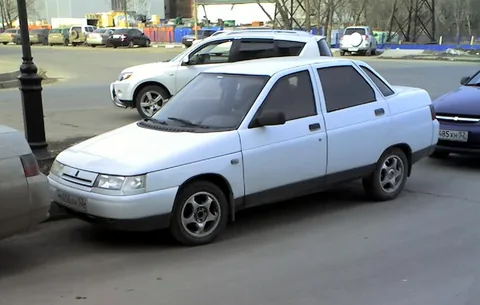
1970 წელს ქარხნიდან პირველად გამოვიდა VAZ-2101 „ჟიგული“, იგივე „კოპეიკა“. ის ავტოვაზის პირველი ნაწარმი იყო და საბჭოთა კავშირის ბაზარი 30 წლის განმავლობაში მის გვარდაშვილებს შეინარჩუნებდა.
დაბადება
საბჭოთა კლასიფიკაციის პირველი მოდელი, VAZ-2101, ავტოვაზმა 1970-ში ფართო წარმოების სიგნალად აღმართა. ახალაშენებულ ტოლეფტის ქარხანაში ფიატის პროექტით აჭენებდნენ მანქანას, რომელმაც იტალიური მექანიკა საბჭოთა გზებისა და ამანათების რეალობას დაუერთა — კარ-კარს, პლასტმასსა და შასის ძარღვებს სამშობლოში ადგილობრივად ამზადებდნენ.
დიზაინი და ტექნიკა
ოთხ კარად გაჭრილი სედანი 4.07 მ სიგრძითა და 2.42 მ საბაზიანი ბაზით კომპაქტური გარეგნობის ქვეშ ოთხ ადამიანს იოლად იტევდა. ზევით 1.2 ან 1.3-ლიტრიანი ოთცილინდრიანი ნახევარძრავა 60-დან 66 ცხენის ძალას იძლეოდა და 4-სიჩქარიანი „მექანიკით“ უკანა ბარძაყებს წვეტდა. 970 კგ-მა მასამ 13-დიუმიანებზე ჰაერში გადატანილი ქალაქური მანევრირება შესძინა, ხოლო ფარის ქვეშ მყრალი რესურსებით და მარტივი ინსტრუმენტებით შესაკეთი კონსტრუქცია ყველა სოფელში გამოსადეგი გახადა.
ვერსიები და საუკუნე
საწყისი სედანი 1980-იანებამდე არ გაუჩერებიათ, მაგრამ მალევე გააჩინა სხვადასხვა ოჯახის წევრები: 2102-უნა უნივერსალი, მოგვიანებით 2103-უნა გაძლიერებული ვერსია, იქვე ექსპორტის ლადა 1200/1300/1500 ბეჯები. პლატფორმა ასე გადაზარდა Lada Riva-ში, უშუალოდ 2101-ის შემცვლელში, რომელიც ბოლო ეგზემპლარს 2012-ში გააშვებინეს.
კულტურული კვალი
USSR-ში კოპეიკა პირველი მასობრივი ოჯახური არჩევანი გახდა — თითოეულ ქუჩაზე და ყოველ ბაზარში ცნობილი სილუეტი. 1980-იანებში უცხოტური ნავთობგრაფიკის წყალობით ლადამ პირველად მრავლად უცხოეთში გაყიდა, ევროპის დასავლეთით ბრენდი ჩამოაყალიბა და კანადამდე და კუბამდე ექსპორტის ზრდა დაიწყო.
English version
Launched in 1970, the VAZ-2101 “Zhiguli” (nicknamed “Kopeyka”) was the very first automobile to roll off AvtoVAZ’s lines, becoming the Soviet Union’s foundational small-class sedan and spawning a 30-year dynasty of domestically built cars.
Genesis
Introduced in 1970 as Model 1 of Soviet classification, the VAZ-2101 marked AvtoVAZ’s grand entrance to mass production. Built in the new Tolyatti plant that had been designed with Fiat assistance, the car blended Italian mechanical fundamentals with heavy localisation of body panels, trim, and suspension to cope with Soviet roads and parts supply chains.
Design & Engineering
The 4-door notchback measured 4.07 m long and sat on a 2.42 m wheelbase—external dimensions squarely compact but interior room adequate for four adults. Basic steel body panels hid a 1.2- or 1.3-litre inline-four producing from 60 to 66 hp, driving the rear wheels through a 4-speed manual. At just 970 kg, the car delivered brisk city performance on 13-inch wheels and leaf-sprung live rear axle—robust, cheap, and fixable with a minimal toolkit.
Variants & Lifespan
Although the original sedan remained in continuous production through the 1980s, coach-built relatives soon appeared: the 2102 estate, the later 2103 upscale version, and innumerable export badges such as Lada 1200/1300/1500. The rugged platform eventually evolved into the Lada Riva, which specifically succeeded the 2101 and was last built in 2012.
Cultural Footprint
In the USSR, the kopeyka was the first privately available family car for millions, instantly recognisable at every street corner and rural market. During the 1980s it also became one of the first Soviet automobiles sold in large numbers abroad, establishing the Lada nameplate in Western Europe and seeding export markets from Canada to Cuba.