Aston Martin DB4
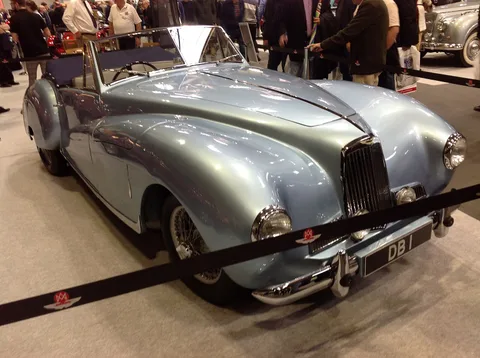
1958 წელს წარმოდგენილმა Aston Martin-მა DB4-მ ჩაუყარა საფუძველი ბრიტანულ GT-კლასის ახალ ერას და გადაუშვა გზა იმ დაუვიწყარი DB5-ისთვისაც.
ისტორია
1958-ის შემოდგომაზე, სერ დევიდ ბრაუნის სრული პატრონობის პირველ დიზაინში, Aston Martin-მა გამოუშვა DB4 – ამომწურავად ახალი პლატფორმა. 1963 წლამდე Newport Pagnell-იდან 1 204 მანქანა გავიდა, რაც ბრენდის პროფილს პატარა სერიის სპორტულიდან მსოფლიოს აღიარებულ გრანდ-ტურერებზე გადაიყვანა.
დიზაინი და ზომები
Carrozzeria Touring-მა სუპერლეგერას ალუმინი შემოაღდო ფოლადის მილებზე — 4.49 მეტრი სიგრძის კორპუსი მხოლოდ 1.31 მ-სია. 1 240 კგ-იანი მასა მის დროს ბევრზე მსუბუქი იყო, თუმცა ოთხი ადამიანის და მოხერხებული ბარგის გადასატანი ადგილი არც დაკარგა.
დინამიკა
თადეკ მარეკის 3.7-ლიტრიანი პირდაპირი ექვსი 240 ფორსურ ცხენს აწვება და უკანა ბორბლებზე David Brown-ის ოთხსიჩქარიანი კოლოფით გადასცემს. წინა დამოუკიდებელი გამკიდებელი და უკანა მთლიანი ხერხი 224 კმ/სთ ფართხს ასწრებს — 1958-ისთვის სერიოზული სიჩქარე, რომელიც გაცილებით ძვირადღირებულ თანატოლებს არ ჩამოუვარდება.
მემკვიდრეობა
DB4-მ შემოიპარა სტილის კოდი — სრული ყუთებიანი ბადე, ბორბლებზე გადმოზრდილი ფრთები, დახრილი სახურავი — რომელიც პირდაპირ პავილიონში DB5-ს გადაეცა და მომდევნო ათწლეულის Aston Martin-ის ენას განსაზღვრავდა. დღეს კი იშვიათი Series I-ები და GT-ს გამართული ბეჭდვები ბრიტანული კლასიკის პიკის წერტილებია.
English version
Launched in 1958, the Aston Martin DB4 replaced the DB Mark III and redefined British grand touring, setting the stage for the celebrated DB5 that followed.
History
Aston Martin introduced the DB4 in the autumn of 1958 as the first clean-sheet design under Sir David Brown’s ownership. Production ran until 1963, during which 1,204 examples left the Newport Pagnell works, anchoring the marque’s transition from low-volume sports cars to globally respected gran turismo maker.
Design & Dimensions
Carrozzeria Touring clothed the DB4 in trademark Superleggera aluminium over a steel-tube frame, creating a sleek 4.49-metre body only 1.31 metres high. At 1 240 kg the car was lighter than many contemporaries, yet packaged space for four and generous luggage.
Performance
The Tadek Marek-designed 3.7-litre straight six produced 240 bhp, driving the rear wheels through a four-speed David Brown gearbox. Independent front suspension and a live rear axle provided the platform for a 224 km/h top speed—fast by 1958 standards and competitive with much costlier exotica.
Legacy
The DB4 introduced styling themes—slotted grille, pronounced haunches, sloping roofline—that would carry directly to the DB5 and influence Aston Martin design language for the next decade. Today, early Series I cars and lightweight GT variants are among the most collectible British classics.