Honda Ye GT
2026 წელს იწყება — Honda Ye GT არის Honda-ს ახალი ელექტრული სედანი შუა კლასში და „Ye“ ქვემარკის მეორე მოდელია. თავიდანვე ჩინეთის პრემიუმ EV ბაზარზეა გამიზნული.
სად და რატომ შეიქმნა
2024 წელს გამოცხადებული „Ye“ სერია ჰონდასთვის ექსკლუზიურად ჩინეთის ბაზარზეა და არ გაუმჯობესებული გლობალური მოდელები. GT, როგორც მეორე გამოსვლა, აჩვენებს რომ ბრენდი ზედა სეგმენტის ელექტრიფიკაციას სერიოზულად აპირებს, არსებითი აღარ შლის საკუთარ მთავარ იმიჯს.
დიზაინის წინასწარი შეხედვა
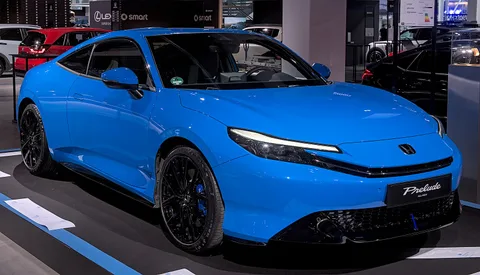
სრული სპეციფიკაციები ჯერ არ გამოქვეყნებულა, მაგრამ ჰონდამ გაავრცელა პირველი ესკიზები: დაბალი სახურავი, გრძელი ბაზა, მინიმალური ზედაპირები და განიერი პანელ-მანათობა. ყველაფერი იტყვის, რომ თანამედროვე ჩინუჟ EV ენას მისდევს — ფართო სალონი და მაღალი აეროდინამიკურობა.
წარმადობა და ბაზარში შესვლა
წარმოება სრულად ჩინეთში მოხდება; აკუმულატორებსა და საბოლოო აწყობაში ადგილობრივი პარტნიორები მონაწილეობენ, რომ საჭირო დიაპაზონი და ფასი შეინარჩუნონ. გაყიდვა 2026 წლის პირველ ნახევარში იწყება, ტიპ-1 და ტიპ-2 ქალაქების გაფართოებული EV ინფრასტრუქტურის ფონზე.
English version
Due in 2026, the Honda Ye GT is Honda’s upcoming battery-electric mid-size sedan and the second model to emerge under the new China-focused “Ye” sub-brand. It aims squarely at the rapidly expanding premium EV market in China.
Background and Positioning
The Ye series, announced in 2024, marks Honda’s dedicated EV line for China rather than global models adapted for the market. Positioning the GT as the second release—after an unnamed sibling due earlier—the brand signals a clear commitment to electrifying its upper-tier offerings without diluting its core global identity.
Design Preview
Although detailed specifications are not yet public, early design sketches shown by Honda depict a low-roof four-door with a long wheelbase, minimalist surfacing, and a full-width light bar—hallmarks of the contemporary Chinese EV design language that favor spacious cabins and aerodynamic efficiency.
Production & Market Entry
Honda will build the Ye GT in China; battery sourcing and final assembly are expected to leverage partnerships with Chinese suppliers to meet competitive cost and range demands. Retail rollout is targeted for the first half of 2026, aligning with expanding EV infrastructure in tier-1 and tier-2 cities.