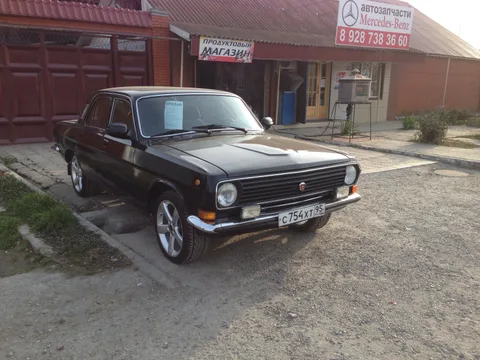
GAZ-24
1970-დან 1985-მდე გორკის ავტოქარხანა GAZ-24-ით სვეტ პერეზის „ინდის“ ანალოგად იქცა — საამურად გაზვიადის გარდა ყოფილი GAZ-21-ის შემცვლელი, რომელიც აღმოსავლეთის ბლოკის ყველა მერსედესამდე ლოცვას ამხატავს.
ისტორია
1970-ში GAZ-მა ახალი მიმოსვლის მთავარი სედანი გამოუშვა — მეტი ადგილი, შესაბამისი დიზაინი, ყველაფერი ოფიცალური პიროვნებების, პოლიციის, ტაქსებისთვის. რვაწლიანი წარმოების შემდეგ უმრავლესი მანქანა შიგნით დარჩა, მაგრამ რაღაც რაოდენობა სადმე არამთავარიან დონეზე დარიგდა, სანამ 3102-მა არ შეცვალა.
დიზაინი და გაბარიტები
4.735 მ სიგრძე, 1.800 მ სიგანე — ამ დროსთვის შაბლონური აღმასრულებელი კლასი. 1.490 მ სიმაღლის გადახურება მფრინველის პოზა გამოჰკრავს, ხოლო 1.420 კილოგრამიანი მასა საბჭოთა გუპიტების რკინასა და ხიდების ხანგრძლივ გამოყენებას უგებს.
მემკვიდრეობა
ნამდვილად გახდა ის სილუეტი, რომ „საბჭოთა სედანი“ სიტყვა დასავლელთათვის სხვა არც არაფერი აღარ წარმოუდგება ოდესღაც. წარმოების დაწყვეტის შემდეგაც გაჰქრა — პოლიციაში, ტაქსებში, პირად ხელში კიდევ ათწლეულები იმოძრავა, იგივე მარტივი ხაზები, რომელიც 1970-იანებიდან ცხოვრებას ამშვიდებდა.
English version
Produced from 1970 until 1985 by the Gorkovsky Avtomobilny Zavod, the GAZ-24 sedan was the definitive Soviet executive car, replacing the long-running GAZ-21 and setting the template for saloons across the Eastern Bloc.
History
GAZ rolled out the 24-series in 1970 as its new mainstream saloon, designed to offer more space and contemporary styling for officials, police fleets and taxi operators. After a continuous 15-year production run, most sales remained domestic, though batches were quietly exported to friendly states and developing markets, before the family was superseded by the up-market GAZ-3102.
Design & Dimensions
At 4,735 mm long and 1,800 mm wide, the GAZ-24 sat squarely in the mid-size executive segment for its day. The low 1,490 mm roofline gave the four-door notchback a subtly athletic stance, while the 1,420 kg kerb weight reflected sturdy Soviet steel construction intended for rough roads and long service intervals.
Legacy
The shape and proportions of the 24-series became so familiar that it virtually defined "Soviet saloon" to Western observers during the Cold War. Even after production ceased, the cars soldiered on in police, taxi and private hands across the USSR, leaving successive generations with the same understated silhouette that had ferried dignitaries since the early 1970s.