GAZ-24-10
წარმოება: 1985–
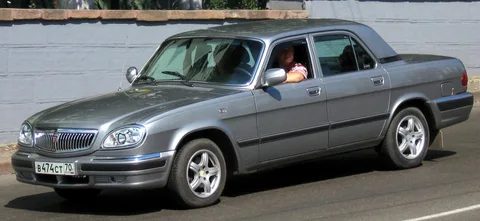
GAZ-24-10 1985 წელს გამოჩნდა, როგორც უკვე კარგად ნაცნობ ვოლგაზე მიძველებული მცირე „რებიტინგი“. ჩვეული ქრომის ნაცვლად შავი, იატაკისფერი პლასტმასის შუბაა მოქცეული, რასაც ჩვენთან დღესდღეობითაც იშვიათად ვხედავთ ძველი მილიციის კარვანებსა თუ აუქციონებზე.
ისტორია
გორკოვის ქარხნიდან 1985-ით წამოვიდა პირველი სერია. კონდახებში ამბობდნენ — ხელის დააყენებს, სანამ GAZ-31029 მზად იქნება. გეგმა ისეთი გადაიწერა, რომ 24-10 არამარტო 24-ისთან ერთად ჩქარობდა, არამედ 90-იანების მეორე ნახევრამდე აწერეს. ეხლაც უკვე რამდენიმე გადარჩენილი მოძრაობს — ძირითადად უზბეკეთში და ყაზახეთში, რეგიონალური ტაქსებისა და უწყებრივი გარნიზონების შემადგენლობაში.
ნიშნები ფასადზე
შორიდანაც ცხვირი ქრომის ნაცვლად მატოვ პლასტმასს ატარებს — ეს ერთმხრივი ფართო შუბლი მაშინ ჯერ კიდევ წესრიგიანად გამოიყურებოდა. ფარები უფრო სწორად ჩაჯდა კარადებს. ბამპერებზე რეზინის „ქუდები“ ჩამატყდა, თითქოს გერმანელების 5 კმ/სთ ის სიცოცხლე გადარჩენა გინდოდეს, სინამდვილეში კი — ჩვეული წითელი ხაზი ეგზემპლარების საყიდლად.
რატომ გააცოცხლა დრომ
როცა წარმოაჩინეს, GAZ-24-10 თითზე თამაშივით ჩაითვალა. მაგრამ 90-იანების წვეულ ბაზარს სულაც აგროხდა კრედიტისა და ახალი მანქანების გარეშე. უძველეს ვოლგებსაც კალათბურთის სატვირთო სათამაშოვით ავაწყობდნენ, ნაწილებიც საჯარული მაღაზიების ნაცვლად ძეგლში ცვლიდნენ, ამიტომ კომბაინზე ჩამოცვენილი ტერიტორიული კომიტეტების უბნებში დღევანდელ დღემდე იქცევა რამდენიმე ჯიგარი 24-10.
English version
Introduced in 1985, the GAZ-24-10 is a Soviet-era update of the well-known Volga sedan, delivering modest styling revisions and longer production life than its predecessor. Its austere black grille now identifies a model that quietly bridged late-communist and early-post-Soviet daily motoring.
History
The GAZ-24-10 appeared midway through the 1980s as an interim refresh of the GAZ-24 Volga, intended to extend the model’s lifespan without requiring a clean-sheet design. Production started in 1985 at the Gorky Automobile Plant and ran alongside the continuing GAZ-24, before superseding it. Despite the planned introduction of the GAZ-31029 in the early 1990s, limited batches of the 24-10 were still assembled into the mid-1990s, with some remaining in use today.
Design updates
Visually, the 24-10 differed most obviously from the earlier 24 by its matte-black plastic grille and more flush-mounted headlamps. Bumpers also gained rubber overriders, hinting at Western safety trends, while interior trim swapped earlier chrome touches for more subdued plastics and fabric patterns.
Production endurance
While officially viewed as a stop-gap, the GAZ-24-10 stayed in circulation long after the fall of the USSR, kept alive by parts interchangeability with earlier Volgas and continued demand among taxi fleets and government services in the CIS states.