Ford Focus FCV Hybrid
ფორდის 2006 წლის სტანდთან დგომა იყო Focus FCV Hybrid — იმ ჩვეულებრივი ხეიეჩის უკუდის ჩარჩოზე ააწყეს წყალბადისა და ელექტროსინჯის ჰიბრიდი, რითაც ევროპელებს პირველი წყალბადზე მომუშავე ოჯახური კომპაქტი აჩუქეს.
გარე დიზაინი და ზომები
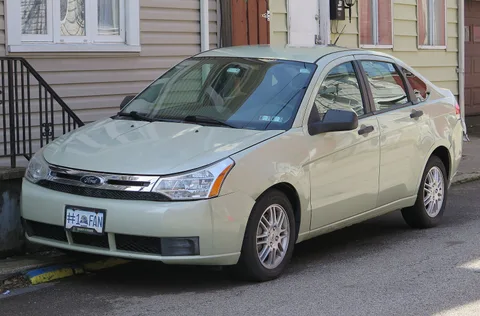
გარედან FCV Hybrid-ს იოლად იცნობდი Mk2 Focus-ის ხუთკარიანი სილუეტით — 4,338 მმ სიგრძე, 1,758 მმ სიგანე და 1,481 მმ სიმაღლე, იგივე ბაზით რაც სების ჩვეულებრივ მოდელებს. რთული ცისფერი-ვერცხლისფერი ემკ და წყალბადის ასაყრელ თაფლიკა შიგნით კუთხეში — აი და, უკვე ყველაფერი, შიგწნის ინტერიერში ახალი პანელები იყო, სადაც იმის ნაცვლად რომ ტაქომეტრი და საწვავი ხიდი ექნა, ენერგიის ნაკადთა ანიმაცია და წყალბადის დარჩენილი რესურსი გიჩვენებდა.
ტექნოლოგია და მართვა
ძირში 90 კვტ-იანი PEM საწვავის ელემენტი იყო, რომელიც 300 ვოლტიანი lithium-ion სინჯთა ბატარაის გირეშა, თვითონ კი 88 კვტ-იან ელექტრო მოტორს აბამდა. ჰიბრიდის წყალობით რეგენერაციული тормозი და მცირე მანძილი სრულად ელექტრო რეჟიმი გამოდიოდა — წამუშვა უგამონადენჂე, ერთი თუ არა ახლოს H₂ სამხედრო ურა ყოფილმა ფორდმა ყოველივე ჩაუმჯრეს ჩვეულებრივი ფოკუსის სალონში; სივრცე და ბაგაჟი არ დაიკუმშა, წონა კი 1,500 კგ-ს ახლოს გაჩერდა — დაახლოებით 130 კგ ვერძე დიზელ ანალოგზე მეტი.
ტესტირება და მიხედვა
2006 წლის შემოდგომიდან, ფორდმა თორმეტი მანქანა ბერლინის, ლონდონის, დუბლინის და რეიკიავიკის საერთო საწყის მძღოლ-პარტნიორებს გადასცა. ყოველდღიური სინჯვა და ნამინაორძიანი ზამთრები მწვადე მხარე დაადასტურეს, პარტნიოორრა Daimler-სა და Shell-თან წიგნაკები გაიჩალიჩეს, მონაცემები კი შემდგომ Ford Kuga FCEV-სა და კომერციულ Mustang Mach-E სისტემაში დაესხნენ. სალანძღავში არცერთი გარემობარისთვის არ გამყიდვია, მაგრამ 2000-იანების ყველაზე დიდი წყალბადური ჰეჩბეკ-ტესტი — აი, მისახედი.
English version
A 2006 concept from Ford, the Focus FCV Hybrid paired the volume hatch’s practical body with a hydrogen fuel-cell and battery-electric hybrid powertrain, giving Europe its first hydrogen fuel-cell family car.
Design & Dimensions
Externally the FCV Hybrid carried the familiar Mk2 Focus five-door silhouette: 4,338 mm long, 1,758 mm wide and 1,481 mm tall, riding on the same wheelbase as standard C-segment models. A minimal blue-silver paint job and hydrogen filler flap on the rear-right wing were the only visual giveaways to its experimental drivetrain, while interior gauges were re-worked to display power-flow and remaining hydrogen range instead of conventional tachometer and fuel level.
Engineering
At its core sat a 90 kW proton-exchange membrane fuel-cell stack feeding a 300-volt lithium-ion battery pack and 88 kW electric traction motor. The hybrid portion allowed regenerative braking and short-distance pure-electric driving, yielding headline-range zero-emission motoring without tethering owners exclusively to rare H₂ stations. Ford wrapped the system in traditional Focus space—crucially keeping cabin and boot volume unaffected—while weight stayed near 1,500 kg, only 130 kg heavier than the comparable diesel.
Testing & Legacy
Starting in late 2006, Ford handed twelve cars to fleet partners across Berlin, London, Dublin and Reykjavík for real-world durability logging. Daily commute and cold-weather usage proved the hardware, helped cement hydrogen partnerships with Daimler, Shell and others, and supplied data that fed directly into the later Ford Kuga FCEV and today’s commercial Mustang Mach-E development chain. Though never offered to retail buyers, the Focus FCV Hybrid remains Europe’s most extensively tested hydrogen family hatch program of the 2000s.