Ford Focus Electric
Ford-მა პირველ მასობრივ ელექტროსატრანსპორტო მოდელად 2011 წლის დეკემბერში აირჩია კომპაქტური ფოკუსი — მაშინ, როცა ევროპაში ჯერ კიდევ ძალიან ცოტა ელექტრომობილი იდგა გამოფენებზე. წარმოება შეწყდა 2018 წლის მაისში, Ford-მა კი შემდეგი ნაბიჯები უკვე თავისი პლატფორმებისთვის დააგეგმა.
ისტორია
Ford-მა პირველი სერიული EV რონგ-რეინჯდგიონის Ranger-ისა და მიკრო-სპრინტერ Transit Connect-ის ელექტრო ვერსიების შემდეგ ჩვეულებრივი C-segment-ის ჰეჩბეკის ბაზა აირჩია. ფოკუსი წელს 2011-ს Michigan-ის ქარხანაში დაყარეს, benzin და ელექტრო ვარიანტებს ერთ ხაზზე აწყობდნენ — ამერიკაში ეს პირველი კომპაქტური ელექტრომობილი იყო ევროპის გარემოცვის გარეშე. წარმოება 2018-ის მაისში შეწყდა, Ford-მა კი შემდეგი EV ვარიანტები სრულყოფილად დადისუფეთ პლატფორმებზე გადაიტანა.
დიზაინი და ინჟინერია
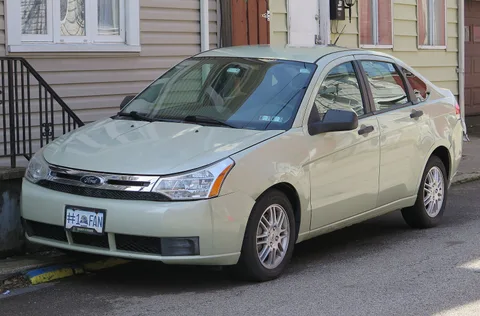
გარედან ამერიკული ჰეჩბეკი თითქმის არაფრით განსხვავდებოდა ბენზინის ძმიდან – მხოლოდ დახურული გრილის პრიჯობი, ეროდინამიკური 17-დიუმიანა თლიპი და წელი „Electric“ მანიშნებელი ბორბანდება ჩრდილავდა. 23 კვტ საათი ელექტრომობილის ლითიუმ-იონური ელემენტები სარქავდნენ საბარგუს ქვეშ, ხოლო წინ – 107 კვტ-ს ელექტროძრავა იდგა, თავისუფალი ადგილი კი არ შეშლია შეგროვილობის მეტრსაც.
მემკვიდრეობა
Ford-ის მესამე სერიული ელექტრომობილი და პირველი მასობრივად ხელმისაწვდომი ვერსია გახდა გადასაფერი Bridge სიმბოლო — იმ პერიოდში, როცა 115 კმ-იანი დიაპაზონი არც ისე ცუდი იყო, ფოკუსმა საბოლოოდ დაადასტურა, რომ ელექტრომომართვა შეიძლება ეჩვეულებრივ პლატფორმაზე შეფუთულიყო. გამოცდილება Mustang Mach-E–სა და F-150 Lightning–ში გაგდებაში გაერია.
English version
Built from December 2011 to May 2018, the Ford Focus Electric gave buyers a familiar compact-hatch wrapper for zero-emission driving at a time when mainstream EVs were still scarce.
History
Ford chose the global Focus platform for its first volume EV after earlier experiments with the Ford Ranger EV and Transit Connect Electric. Production began in late 2011 at the Michigan Assembly Plant alongside gasoline Focus models, making it the only North-American-built compact EV sold stateside. Output stopped in May 2018 as Ford shifted electric strategy toward dedicated EV platforms.
Design & Engineering
Externally, the Focus Electric looked nearly identical to its petrol sibling save for a blocked-off grille, aerodynamic wheels, and ‘Electric’ badging. Ford housed a liquid-cooled 23 kWh lithium-ion battery pack beneath the rear cargo floor and installed a 107 kW electric motor up front, preserving the stock hatch layout without sacrificing much room.
Legacy
As Ford’s third production EV and first widely distributed model, the Focus Electric bridged experimentation to mainstream intent. Though range estimates of roughly 115 km (EPA 76 mi) were modest even for its era, the car proved Ford could integrate EV components into existing global platforms—experience later applied to the Mustang Mach-E and F-150 Lightning.