Dacia 1310
Dacia 1310 — Renault-ის ლიცენზიით აწყობილი ოჯახური მანქანა, რომელიც რუმინელი მძღოლებისა და თანამდებობის პირების ერთადერთი ინკასანტორი გახლდათ 1979–2004 წლებში. ამხანაგური ხანგრძლივი წარმოება თავისთავად არის სტატისტიკა იმისა, როგორ ცვლიდა ინდუსტრია კომუნისტური ბლოკიდან ევროკავშირის კარს შემობრუნებამდე.
ისტორია
1979 წელს ქალაქ Mioveni-ში დაჯდნენ Renault-ის 12-ის სასაწყობო ბაზასთან დასაკუთრებული სედანი და უწოდეს 1310 — ახალი ათწლეულის სიმბოლოდ. დაუოკებელმა „თვითდაობა“ სტრატეგიამ ქარხანაში მეტალის მკვეთრად მოჭერა, პლასტიკა და კრიპტონ-შესაფერისი ტრიმები კი ლოკალურად ეკიდურება. ამიტომაც, მაშინ როცა ევროპაში მისი თანამოძმეები პენსიაზე გააცილეს, აქ ის გზაზე გაამაგრეს.
დიზაინი და ინჟინერია
გაპრიალებული კუთხეების დიზაინს ჩვენმან კოლეგაებმა უფრო სქელი ბამპერები, გამძლედი პლასტმასი და დიდი საბარგულის თალი მიამატეს. ძრავა იკვრებოდა 1.3 L და შემდეგ 1.4 L OHV-ს ვარიანტებში, უკანა ბარი — ბრუნზე დრამებით 1980-იანების ბოლომდე, ხოლო 1990-იანებში მას 5-სიხშრიანი ხოლმა და ინექცია გადაუკეთეს.
ჯერათა თაობები
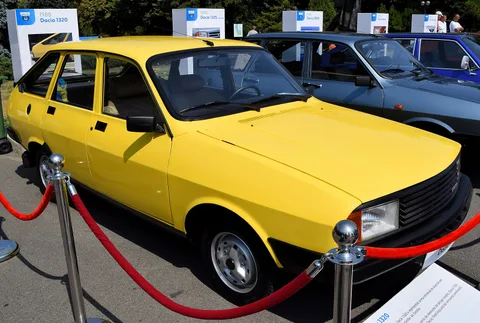
1310-მა სამი მსხვილი ფეისლიფტი გაიარა (1983, 1989, 1993) და შემოგვრჩა სხვადასხვა კაროსერია: 1320 ჰეჩბეკი, 1304 პიკაპი, 1307 ორკაბინი პიკაპი და 1309 უნივერსალი. ხიდები, ტრანსმისია და ძრავა, ყველაზე დაკვირვებით, იდენტური იყო — ამიტომ ნაწილების ჰაბი სარებისთვის ქალი ძლიერი იყო.
გამოსამშვიდობება და მემკვიდრეობა
2004 წელს Euro 3-ის მიერ დაწესებული ნიორივით ემისიონები მათი მოძველებული ძრავის პრობლემა არალოგიკური გახადა — დღის ბოლოს უკანასკნელი კასტა სავარლი პირდაპირ ეთერში შესწიეს. დღეს ალიანსშია უთვალავი ავტომოყვარული, რომელთა სარქოსელში შიდა ნაწილების არხალირი პონდია — გადარჩენილი 1310-ები კი რუმინული გზების მეტრონომივით კვლავ გვიყრდიან.
English version
Built under license from Renault, the Dacia 1310 was Romania’s principal family car from the late 1970s well into the 2000s, serving both everyday commuters and government officials. Its long production span and local evolution mirror the country’s shifting economic and technological landscape.
History
Dacia began assembling the Renault 12-based model in 1979, titling it „1310” to signal a new decade and a domesticized design. State plans prioritized self-sufficiency: the body panels, drivetrain and trim were progressively adapted at the Mioveni plant, keeping the car on sale even after Western equivalents disappeared from the market.
Design & Engineering
Early cars retained the sharp-edged Renault silhouette but gained heavier bumpers, locally sourced plastics and enlarged trunk lids to cope with rough roads. Mechanical spec stayed modest—1.3 L and later 1.4 L OHV petrol engines, drum rear brakes through the 1980s—yet incremental upgrades such as five-speed gearboxes and fuel injection arrived during the 1990s.
Generations & Variants
The 1310 spawned three main facelifts (1983, 1989, 1993) plus utilitarian derivatives: the 1320 hatchback, 1304 pick-up, 1307 double-cab and 1309 estate. Each body style used the same underpinnings, simplifying parts supply for private and fleet customers alike.
End & Legacy
Production quietly ended in 2004 when Euro 3 emissions rules rendered the aging engine uncompetitive. Left behind are an immense national spare-parts network and a robust after-market scene, ensuring that surviving 1310s continue to roam Romanian roads decades after the last chassis rolled off the line.