Dacia 1100
1968 წელს დაბადებული Dacia 1100 რუმინეთში თანამედროვე სამოქალაქო ავტოს წამყვანი იყო — თითქმის იდენტური Renault 8, ჩამოტანილი CKD კომპლექტებით, რომელიც სამ წელიწადში უფროს დაფდავან — 1300-ს — გააჩინა.
ისტორია
ახალაშენებულ მიოვენის ქარხანაში Dacia-მ 1100 ააწყო, რათა ომის შემდგომად პირველად სრულად რუმინული მანქანა კეთებულიყო. Renault-მა მომარაგებული CKD კომპლექტები ადგილობრივ მუშებმა 1968–1971-ში 37 546 ეგზემპლარად შეალიეს; მერე წარმოება დახურეს და 1300-ს გზა გაათავისუფლეს.
დიზაინი და ზომები
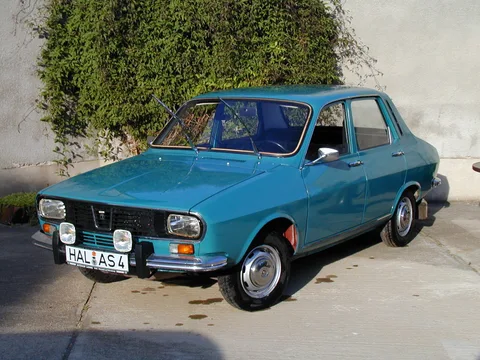
არსილიტორად ეს არის რუმინული Renault 8 — კომპაქტური ოთხკარიანი, 2.27 მ ბაზაზე. მთლიანი სიგრძე 3.99 მ, სიგანე 1.49 მ, სიმაღლე 1.41 მ. სულ 760 კგ წვილოვანი, რაც ვიწრო სოფლის გზებსაც მორგებოდა.
მემკვიდრეობა
ცოტა ეგზემპლარი, მცირე სიცოცხლე — მაგრამ 1100-მა მთელი ინდუსტრიის პროტოტიპი და სასწავლებელი შექმნა. ხელსაწყოები, მუშახელი და მომწოდებლები პირდაპირ Dacia 1300-ს გადაეცა, რომელიც შემდეგ სამ ათწლეულს აღმოსავლეთ ევროპის გზებს გააწერა.
English version
Born in 1968, the Dacia 1100 marked Romania’s entry into the modern passenger-car era, a near-identical Renault 8 assembled from knock-down kits and quickly overshadowed by its larger sibling just three years later.
History
Dacia launched the 1100 at its newly built Mioveni plant to give Romania its first domestically produced passenger car of the post-war era. Using complete CKD kits supplied by Renault, workers pieced together 37,546 examples from 1968 to 1971 before production ceased in favor of the forthcoming Dacia 1300.
Design & Dimensions
Essentially a Romanian Renault 8, the compact four-door sat on a 2.27 m wheelbase and measured 3.99 m long, 1.49 m wide and 1.41 m high. Weighing just 760 kg, its light footprint matched the narrow country roads it was built to handle.
Legacy
Production numbers were small and lifespans brief, yet the 1100 served as both prototype and training ground for an entire automotive industry. Its tooling, workforce and supplier network fed straight into the Dacia 1300, a model that would dominate Eastern-European roads for the next three decades.