Dacia 1300
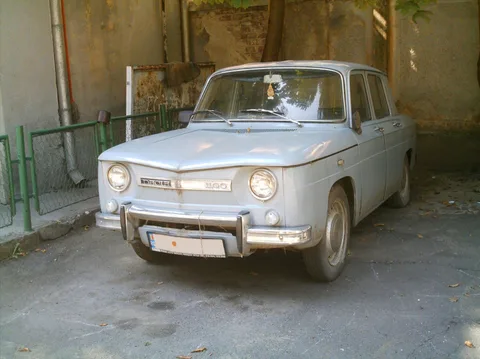
23 აგვისტო, 1969. რუმინული მიოვენის ქარხნიდან განხილვის პირველი Dacia 1300 გამოვიდა და აღმოსავლეთ ევროპას კომპაქტური ფრანგული ავტომობილის სულიც გაუხსნა. ამ „რუსთავი 2 – სტილი“ მცირე ოჯახურმა 35 წლის განმავლობაში არ გაჩერებულა — და იმპერიზმამდე რეკორდული სერია დადო.
გონების ამოჩენა
ყველაფერი Renault 12-ის ტექნოლოგიაზე დაიწყო: ზეგადაცემებული ოპტიკა, ახალი დროის გერმანული ელექტრონიკა არა, მაგრამ ორნიშნა არქიტექტურა — კომუნისტური ბლოკის პირველი ნამდვილი ევროპული ოჯახური. 4.15 მ სიგრძე და 930 კგ წონა პირდაპირ იტყოდა: აი, რუმინული გზისთვის ზუსტად იქნება.
ხუთი აქტი, ერთი სპექტაკლი
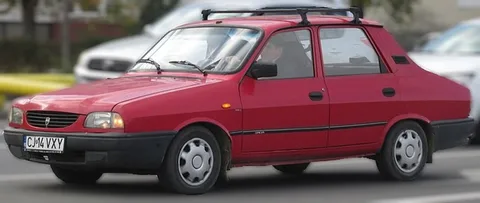
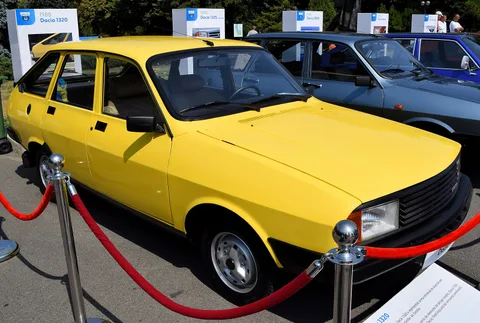
საწყისი 1300 შეიცვალა 1310-მა, მერე 1320-მა, 1325 Liberta-მა და სხვა კლონებმა იმისთვის, რომ სიკვდილი არ იგემონ. 1969-იდან 2004-ის ჩათვლით მიოვენი არასოდეს გაჩერებულა — ჩვენამდე მოსული 1 959 730 მანქანა 21 ივლისს დაბადების წლის საღამოს ზუსტად 35-ის იუბილეზე დაასრულა.
ტექნიკური ანატომია
ავტომანქანას წინაშე დაძრავს ათული წინა ბაიჯელი, MacPherson-ის სტოიკები წინ, უკან ბიუჯეტური ბeam axle — ყველაფერი 4.15 მ-ში მოთავსებული. 1.3-ლიტრიანი პუშროდი, მართალია უბრალო, მაგრამ სოფელში ყველა ბაბას კარგად ეხარა; გამართული მანქანა ყოველთვის დარბოს.
საზოგადოებრივი გენეზისი
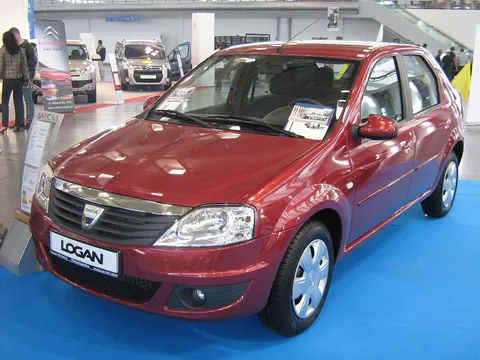
35 წლის განმავლობაში, მინისტრიდან დამწყებ მემანქანემდე, ყველამ ერთხელ მაინც ატარა ეს სილუეტი — გვიანი საბჭოთა ყოფის ვიზუალური კოდი იყო. მოგვიანებით იგივე შესაფუთი განვითარდა Dacia Nova-ში და 2005-ის Logan-ში, რაც ლიცენზიის ფული „რკინის ფარდის“ მერეც კი გადაარჩინა.
English version
Dacia 1300 introduced Eastern Europe to modern French small-car engineering when its first copy emerged from Romania’s Mioveni works on 23 August 1969, remaining in continuous production for an almost unheard-of 35-year run.
Birth and Blueprints
Rooted in the Renault 12’s tooling and know-how, the Dacia 1300 arrived as the communist bloc’s first licensed version of a contemporary Western family car. The name echoed its 1.3-litre four-cylinder, and its proportions—just 4.15 m long and 930 kg—fit Romanian roads far better than the heavy sedans made by other Comecon plants.
Generations in Five Acts
Beyond the original 1300, subtle yearly facelifts created the 1310, 1320, 1325 Liberta and other offshoots that kept the line relevant. Between 1969 and 2004 the plant’s daily supply of parts ran uninterrupted, totaling nearly two million units before the final 1310 rolled out on 21 July 2004, just weeks ahead of its symbolic 35th birthday.
Engineering Snapshot
The chassis offered front-wheel drive, MacPherson struts up front and a beam axle at the rear, giving Romanian drivers predictable handling and a usable trunk within a tight 4.15-metre footprint. The 1.3-litre pushrod engine, modest but easy to repair, cemented the model’s reputation as a car any rural mechanic could keep alive.
Social and Industrial Legacy
For three decades every waiting-list family and government minister ended up in a Dacia 1300 derivative, making the car a common visual shorthand for late-communist life. Its tooling later evolved into the Dacia Nova and, by 2005, into Logan-era production, proving that licensing Renault technology was a fiscal lifeline long after the Iron Curtain fell.