Citroën DS Inside
წარმოება: 2005–
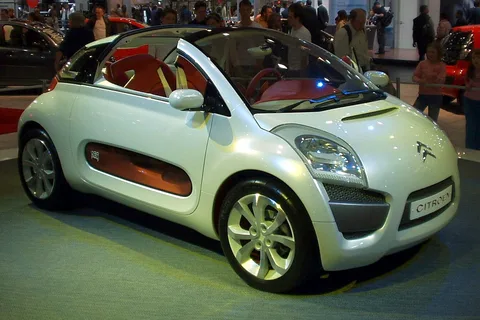
2009 წლის ჟენევის სალონზე DS Inside კონცეპტმა პირველი სერია დაანახა და თარიღსაც კი — 2010 წლის იანვარი უთითა. გამოსვლისას Citroën-ის DS სერიის სათავე გახდა, 2016 წელს კი სულაც ცალკე ბრენდად, DS Automobiles-ად იქცა.
კონცეპტიდან სერიამდე
DS Inside-ით ნაჩვენები აგრესიული ხაზები, “ზვირთი-B” ბოძი და ერთფენა სახურავი 2010 წლის სერიად გადავიდა უცვლელი. Citroën-მა შეგნებულად გააკეთა ამბიცია — წინა პლანზე Audi A1 და Mini დადო, პატარა ქალაქიანის აპარატს კუპეს აქსესუარები და პრემიუმ მოწყობილობები შეაზიდა.
ბაზრის პოზიცია და ევოლუცია
DS 4-ის რვაფიორთან შედარებით დაბალ ფასში წამოყენებული DS 3 თავიდან საწყებ კარგად მოხდა: 2010-2016 წლებში 350,000+ მოძვრა გადიოდა გლობალურად. C3-ის ძირითად არქიტექტურას იზიარებდა, მაგრამ პერსონალიზაციის პაკეტებსა და ინდივიდუალურ ინტერიერზე პარასკევის ფასს ითვლიდა.
გავლენა და რეცეპტი
DS 3-ით Citroën-მა დაამტკიცა, რომ არსებული პლათფორმიდანაც კი შეიძლება ტრადიციულ პრემიუმ ჰიცა. გამორჩეული სახურავის ხაზი, დეტალური საღებავი პალიტრა და ფეშენ-მარკების კოლაბები — ის რეცეპტი, რომელიც მეორე და მესამე ტალღის დას დაეხმარა.
English version
Debuted as the Citroën DS Inside concept at the 2009 Geneva Motor Show, the model evolved into the DS 3 production supermini. Hitting showrooms in January 2010, it became Citroën’s inaugural DS-brand car and the blueprint for the premium sub-brand that became DS Automobiles in 2016.
From Concept to Production
The DS Inside concept previewed the bold lines, ‘shark-fin’ B-pillar and floating roof that quickly made it past the design studio into the 2010 production DS 3. Citroën aimed the three-door hatch squarely at the Audi A1 and Mini, wrapping supermini dimensions in quasi-coupe styling and upmarket material choices.
Market Positioning & Evolution
Priced below the later DS 4 crossover, the DS 3 served as the gateway to the DS line and amassed over 350,000 global sales before the model was moved fully to DS Automobiles branding in 2016. While sharing underpinnings with the Citroën C3, it commanded higher margins thanks to extensive personalisation packs and boutique interior finishes.
Legacy
With the DS 3, Citroën proved it could build a credible premium supermini from an existing platform, paving the way for DS to stand alone. The recipe—distinctive roofline, detailed paint colours, and promotional partnerships with fashion labels—became formulaic for subsequent DS models.