Citroën C3 II
Citroën-მა 2009 წელს Citroën C3-ის მეორე წელი წარმოადგინა — B-კლასის ავტოფლეითის ახალი ფრანგული გამწევი ძალა, რომელიც კომპაქტურ ზომასა და ქალაქურ სტილს ერთმანეთზე არ აწყობდა.
დიზაინი
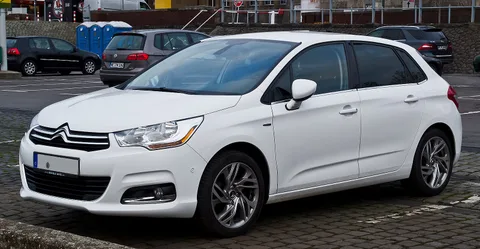
მაინცდამაინც 3,941 მმ-ს სიგრძეს ჩასწევს ქალაქში, მაგრამ წინა თაობის დაბალი წრეწირები მკაცრი სილუეტით ჩაანაცვლეს — ჩარაბული ბარი, ფანარები, ღედები. სართულიან-მინიანი ფარანჯა უზარმაზარი პანორამული მინითაა, რეზინიდან სახურავამდე გადის.
ტავტოლოგია თაობებზე
2002-ის მოდელს ამჯერად 2016-ამდე შემოჰყვა რესტარტი — ამჯერად სტილისტური გაწყობა, რომელიც უბრალო facelift-ზე მეტი იყო. ქომფორტისთის გადაწყვეტილი sus-ები, დაბალი წყების ფასები, და პრაქტიკული ძარა — ყველაფერი ქვედა ოთხმეტრიან შენახვაში.
ტესტმაიკეტი
C4-ის ქვევით დგება პირამიდას, მაგრამ თვითონ C3 II ქალაქელებს გაუშვებს ღირსეული აპარატურის, მაგრამ არა პრემიის ფასების ჟილა. europa-ში მისი სანაპირო ნაწილი — მარჯვენა მონასახე, რომელიც ადვილად მომიხსნის, ადვილად ჩააყლიბებს, და მომენტალურად ჩამოთყვება ქალაქური მოდის ტალღაში.
English version
Crowned the Citroën C3 II, this second-generation supermini arrived from 2009 as Citroën’s strategic answer to the growing B-segment crowd, putting French design flair and compact everyday usability on equal footing.
Design
At just 3,941 mm long, the C3 II keeps the footprint tight for city streets while Citroën replaced the first-generation’s soft curves with a more assertive face and a subtle floating-roof effect via dark rear pillars. Inside, the cabin loudly continued the brand’s flair for bold colour splits and panoramic windscreen glass that extends high into the roofline.
Generations
Building on the original 2002 C3, this second model wave carried the range to 2016, marking a clean stylistic break rather than a simple facelift. It bridged the gap to later iterations while sharpening the car’s focus on comfort-oriented suspension, low running costs and versatile luggage space within its sub-four-metre body.
Positioning
Slotting beneath the C4 family in Citroën’s hierarchy, the C3 II targeted drivers wanting chic equipment without premium price tags, particularly among European urban drivers who demanded easy parking, agile handling and expressive looks.