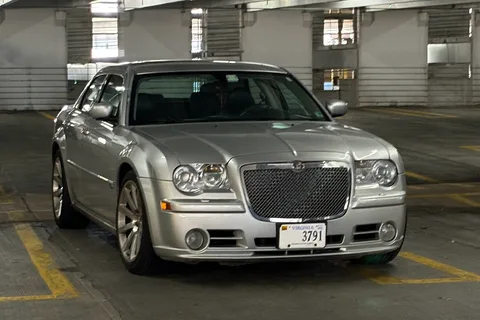
Chrysler Cirrus
1995 წელს გამოჩენილი Chrysler Cirrus მოვიდა LeBaron-ის შესაცვლელად და უდავოდ ლიდერობდა იმგვარ „ღრუბლების“ ტრიოს, რომელიც იმ წლების მიდ-საზელის სეგმენტში ლიანად იცვლიდა გამომხატველობითა და შეთავაზებებით.
‘ღრუბლების’ ოჯახი
Chrysler JA პლატფორმაზე აწყობილი Cirrus მოვიდა Dodge Stratus-ის მეზობლად, ხოლო წლის თავზე ჩამოყვანილი Plymouth Breeze დაასრულა ტრიოს. სამივემ ამინდთან ასოცირებული სახელები უყვანიათ — ამიტომაც „ღრუბლების ავტომობილები“. მეოთხედკუპიანი კარედებით საერთო სხეული გასჭირებიათ, მაგრამ ფასი სხვადასხვა იყო, ზედა მდებარეობა კი Cirrus-მა დაიკავა.
დიზაინი და ზომები
სედანი 4 732 მმ სიგრძე, 1 821 მმ სიგანე და 1 318 მმ სიმაღლე იყო, წონით კი მხოლოდ 1 327 კგ უდგა — ისეთი ზომები, რომელიც მოსახვევად მეტოქეებს უწენდა წინ, თუმცა უფრო მსუბუქი კონტური მეტ დარტყმადობასა და ეკონომიას პირდებოდა.
თაობა და ჩანაცვლება
ერთეული თაობით Cirrus-მა 2000 მოდელური წლამდე გასტანა, შემდეგ კი გადალახა გზა და ჩანაცვლებაც Chrysler Sebring-მა აიღო თავს.
English version
Launched for 1995, the Chrysler Cirrus replaced the LeBaron as Chrysler's stylish step-up in the competitive mid-size sedan segment and formed the premium member of the pioneering "Cloud Car" trio.
Cloud Car Series
Built on the Chrysler JA platform, the Cirrus arrived alongside the Dodge Stratus and was followed a year later by the Plymouth Breeze. All three drew meteorological names—hence "Cloud Cars"—and shared a common 4-door notchback body style while targeting different price points, with the Cirrus at the top.
Design & Dimensions
The sedan measured 4 732 mm long, 1 821 mm wide and 1 318 mm tall, weighing just 1 327 kg—dimensions that placed it squarely against mid-size contemporaries yet allowed a lighter footprint for improved efficiency and more responsive handling.
Generations & Succession
A single generation carried the nameplate until the 2000 model year, after which the Cirrus bowed out and Chrysler transferred its customer base to the fresher Chrysler Sebring.