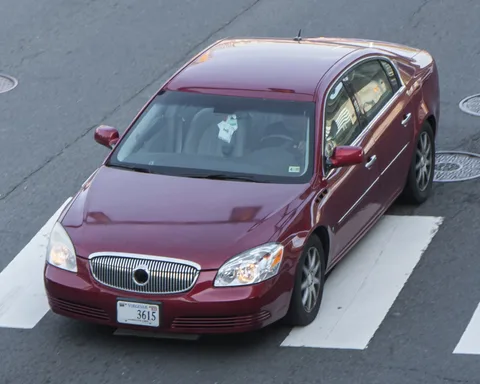
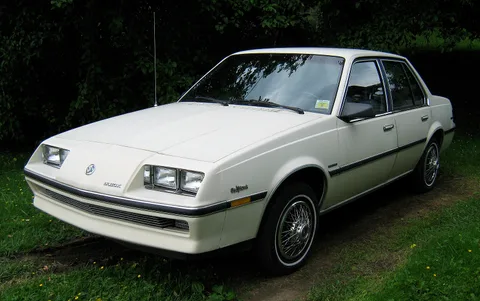
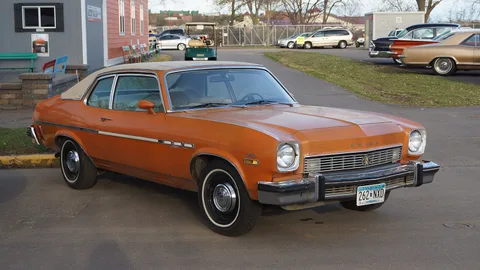
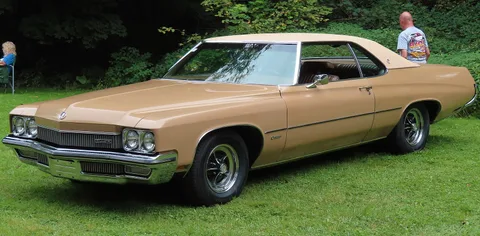
Buick Opel
წარმოება: 1974–
1974-დან დღემდე – Buick Opel არის ორი კონტინენტის შეხვედრა. ამერიკული ბეჯი ჰკიდია, იაპონური მექანიკა. ბენზინის კრიზისის დროს Buick-მა სწორედ ეს მანქანა იარაღად აირჩია წინასწარგანწყობილ ფრთიან კრეისერებთან საბრძოლველად.
საწყისი და როლი
1974-ში Buick-ის მომხმარებელს იაპონური Isuzu-ს მარჯვე პატარა კუპე დაახვედრეს. კაპტიური იმპორტი იყო – ამერიკული ლოგო, იაპონური სიმარდე. ის Skyhawk-მდე დადიოდა, როგორც ბრენდის ყველაზე გონივრულ ფასზე წამოდებული კომპაქტი.
დიზაინი და პაკეტი
სიგანე 1570 მმ — ქალაქში მიწისქვეშა პარკინგში ჩაყოფა არა ფრონტიმერული ოპერაცია. აბლოკურად შედგმული დაბოლები, მნიშვნელოვანად გადაშლილი კაპოტი — თითქოს კეი-კარის გამშველმა, მაგრამ North American ჯერ ჩამოსხმული.
შემდეგი ეტაპი და წვლილი
გვიანი 70-იანების წყნარი გაყიდვების შემდეგ Skyhawk-მა არენა მიიღო, მაგრამ Buick-მა Opel-ის სახელი მცირე წარმოებით 80-იანებამდე დააყურა. დღეს პირველი გენერაციის Buick Opel ნიშა კოლექციონერული შუქშანტაა — როგორც GM-ის ადრეული გლობალური ექსპერიმენტის საეტალონო ნიმუში.
English version
Running from 1974 to present, the Buick Opel is an American-badged compact built in Japan that quietly bridged two continents during the fuel-crisis years. Despite low-profile marketing, it gave Buick a nimble, fuel-efficient counterpoint to larger domestic models.
Origins & Market Position
Buick introduced the Opel in 1974 as its first captive import from Isuzu, aimed at buyers seeking Japanese reliability with a domestic badge. Positioned below the Skyhawk later in the decade, it occupied the affordable compact slot in Buick showrooms.
Design & Packaging
With a width of just 1570 mm, the Opel delivered tight urban maneuverability and modest cargo space; its rounded, minimal styling reflected contemporary Japanese kei-car proportions adapted for North-American roads.
Later Evolution & Legacy
Sales remained steady through the late 1970s before the Skyhawk took over the segment, yet Buick retained the name on select Japanese-built models into the 1980s. Today the first-generation Buick Opel is a quirky footnote among GM’s global-sourcing experiments, prized by niche collectors for its rarity and J-car roots.