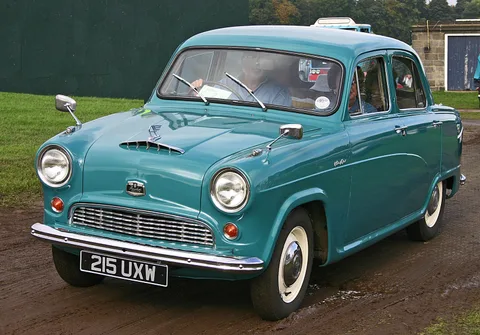
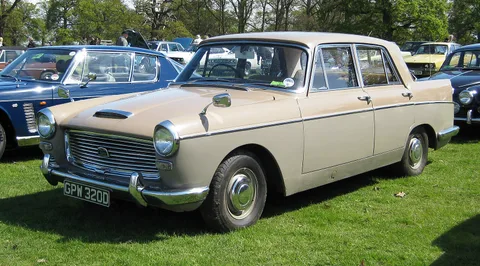
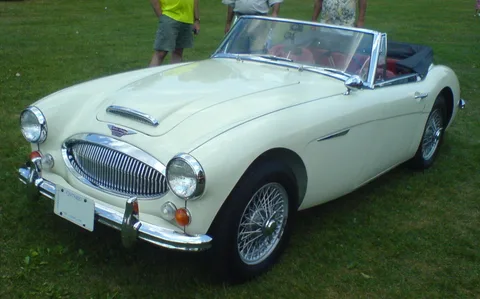
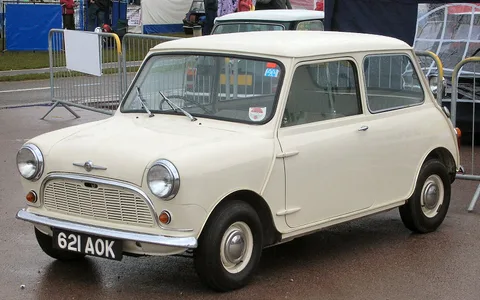
Riley 12/6
რაილი 12/6-ი — 1930-იანების კომპაქტური ლუქს-სედანი ინგლისიდან, რომელიც პატარა ოთხცილინდრიანებსა და “დოროგოი ოქროს” V8-ებს შორის შუალედს იკავებდა. შიგნით ექვსცილინდრიელი სილქით, გარეთ კი კაბინის ხისა და ტყავის დეტალებით, ამ საჭე-კოზირიან მეფეს ქალაქებსა და სოფლებში ინგლისის საშუალო კლასი ატარებდა — მაშინ, სანამ კომპანიას ომი და შემდგომი რაციონალიზაცია ჩამოაშორებდა.
დიზაინი და ტკბილი სულის კვანძი
როცა სხვები ოთხ ცილინდრს ზღუდავდნენ, რაილის ინჟინერებმა 1,5 ლიტრიან ბლოკში ორმაგი გრაფიანი OHC თავი ჩადეს და საინტერესო ტიპიანი — სამჯერობა SU ბოშის მარცხნივ ჩაოკეს. შედეგი არ იყო მონდორფლული ტრაქტორის გული: ბასრი და მოქნილი ელექტრომოტორი, ფირცხიანი ბოჭებითა და ხიდის ობლიგაციის გარეშე. Silent-Third ოთხსაფეხურიანი გადაცემა, Rileyelectron წინა დამოუკიდებელი შლეპი, და უკანა კვარტერ-ელიფსები — მაშინდელი აი-იის ფრაზა. გადასავლები ფასის საწინააღმდეგოდ ბევრს ამკავებს.
რამდენი კარი, რამდენად გრძელი
1934-ში ჩქაროსნად მოგორებული 12/6 ოცამდე ტიპაჟში იცვლებოდეს — Kestrel-ადან Lynx რესლერამდე, ასკოტის ხის ჭერით თუ ღია Continental Touring-ით. 9 ფუტ 4 ინჩი Kestrel-ისთვის, 9-9 სალონის ჩვენება პატრონის სტატუსის ამრაზად. უკანასკნელი Falcon კაბრიო 1939-ის ტრიალმა გადაფარა, მაგრამ ათასობით შექმნილი გრაჟდანი თამამად შეგვიძლია დღეს “იშვიათი” ვუწოდოთ.
აჩქარებული დღეები გრძელი გარემოუწევებისას
ვინაიდან “ოჯახური სპორტი” გადატეხვად ჟღერდა, კლუბური პრაქტიკა მაინც სცადა. 1936 RAC Tourist Trophy-ის გზაზე lightweight Lynx-ები ბარდნის ორად გადახრილი Singer Le Mans-ებს მოუგებელი სვლაამდე დამალეს. წინა ბოლოღერა გასაკვირად დახვეწილად იჭერინა ადვილი რულივით, და მონაკვეთზე MG PB-ები ბაზაზე დაეშვნენ.
ომი და ამანათის ბოლო ჩალიჩი
გამოშვება 1939-ში გაჩერდა, როცა BMC უკვე ტანკებს ათვლიდა. მეორეული დიაგნოზი არ გაჩნდა — სამხედრო მერე Nuffield-ის ახალი ბიუდეტი Morris-ის 1,5 ლიტრად შემოგვაცვალა საიდუმლოდ. დღეს შემორჩენილი კოპია ნამდვილი მოწმობაა, რომ ინგლისის კორპორატული შეთბაშონამდე გასნირი, ხელით ჩამოსხმული ტექნიკა ჯერ ხელუხლებლად გვყვარებოდა.
English version
The Riley 12/6 was a 1930s compact luxury saloon built by the British Motor Corporation, slotting between Riley's smaller four-cylinders and the costly V8s of its day. Distinguished by its silky six-cylinder engine and leather-and-wood interior, it carried coachbuilt elegance to England's middle-class buyers before war and post-war rationalisation ended production.
Design & Mechanical Heart
Unlike many of its contemporaries that made do with four pots, the 12/6 packed a compact 1.5 litre (1,496 cc) overhead-camshaft inline six fed by triple SU carburettors. This wasn’t a rough truck engine tucked under a square bonnet; Riley threaded the block with a complex twin-cam layout for smooth, rev-happy power while still fitting inside the period’s narrow carriageways. A Silent-Third four-speed gearbox, Rileyelectron independent front suspension, and quarter-elliptic rear springs gave the car a sporting gait double its modest price tag.
Variations Across the Short Life
Introduced in 1934, the 12/6 ranged from four-light saloons to sporty open two-seaters built under numerous coachbuilders’ roofs—Kestrel, Ascot, Lynx, and Continental Touring Saloon among them. Wheelbases stretched from 9 ft 4 in for the Kestrel to 9 ft 9 in for the more formal five-seaters. A cabriolet-bodied Falcon appeared briefly before 1939, but total production remained in low thousands, making any surviving example a rare sight today.
Racing Footprints
Although marketed as a ‘family sporting car,’ the 12/6’s engine proved adaptable in club racing. Entries wearing lightweight Lynx tourer bodies contested the 1936 RAC Tourist Trophy, recording respectable class finishes and keeping pace with larger Singer Le Mans entries. The car’s beam-front axle may have looked antiquated, yet balanced steering and short gearing let privateers snip at MG PBs on winding British circuits.
Wartime and Aftermath
Output ceased in 1939 when BMC redirected resources to war work; no post-war restart surfaced as rationalised Nuffield product plans replaced the small Riley sixes with badge-engineered 1½ litre Morris designs. Survivors today underscore pre-war Britain’s last flourish in bespoke engineering before corporate amalgamation standardised the marque.