Morris Oxford
Morris Oxford–ს სახელი ნახევრ საუკუნეზე მეტი ბრიტანული ქუჩების უცვლელი მეზობელი იყო. 1913 წელს, „bullnose“-იანი რადიატორით დაბადებული, ეს ოჯახური Morris მოდელი ედუარდიანული ეპოქიდან swinging sixties-მდე გააგრძელებდა გზას, სანამ 60-იანებში Farina-ს გამჭოლი, შეკავებული Oxford VI გაჩნდა და წავიდა.
თაობების Ⴡაჯახი
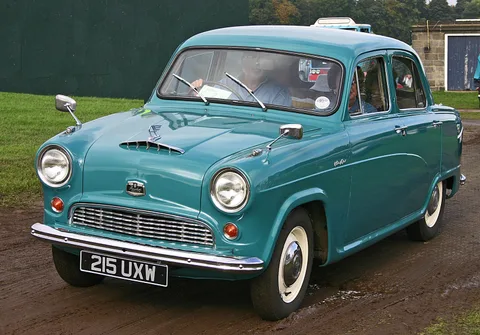
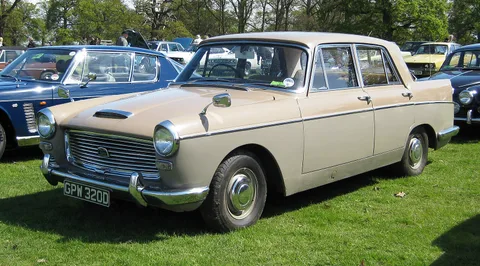
სერია 1913-ის „bullnose“ ბრას-ერა tourerით დაიწყო — მარცხენა მხრიდან განლაგებული valve-ებით და მალევე Morris-ის ბესტსელერი გახდა. შემდეგ დადუღდა 1920-იანი Oxford flat-rad და 1930-იანებში წინასაომი Series II, III, IV კარავნებად გაიზარდა — synchromesh კოლოფით და ჰიდრავლიკური მუხრუჭებით. მეორე მსოფლიოს შემდეგ Oxford MO, Series II და Series III ექსპორტის ბუმისთვის გაემზადა — დიდი ძრავები და უნიტარული კორპუსი. გზავნილი 1958-61-ის Pininfarina-ს შექმნილი Oxford V და VI-ით დაგვირგინდა.
დიზაინის გზა
პირველი Oxfords დინჯი რადიატორებითა და სპიციანი საბარგლებით ეტაპის ამბას ატარებდა, მაგრამ 1930-იანების ბოლოს coachbuilt სალუნებმა slim, ponton ხაზები შემოიტანეს. ომის შემდგომ მოდელებმა მონოკოკ კორპუსი და მიხვეული უკანა გვერდები აიღეს, ბოლო Farina-მ კი იტალიური, დაზუსტებული ფორმები მოგვცა — Austin Cambridge-სა და Riley-ებთან იმდენად ერთნაირი, რომ ჩვეული running boards-ები საერთოდ გაქრა.
ტრადიცია
მუდმივი განახლებით Oxford ბრიტანული საშუალო კლასის კარის ზარად გადაიქცა — გაისროლა კონკურენტებს და Morris-ის გაფართოებაში ფული კი არა, ფუნდამენტი ჩადო. 1960-იანების შუაში BMC-მ მოდელების დასარაცინალა და ოქსფორდის ბეჯი საღამოს სიჩუმეში გაითიშა. შემცვლელად Morris Fourteen მოვიდა, თუმცა ნახევარი საუკუნის განმავლობაში 3 მილიონი ერთეული უკვე ქვეყნის ასპალტზე უიმედოდ ჩავიდოდა — Oxford ბრიტანელი გზების ნაცნობი სახე გახდა.
English version
The Morris Oxford name spanned more than half a century of British motoring, serving as Morris’s core family car from the Edwardian era through the swinging sixties. Introduced in 1913 with the famous ‘bullnose’ radiator, it evolved through several distinct generations before bowing out as the restrained Farina-styled Oxford VI.
Generations
The series opened with the brass-era Oxford ‘bullnose’ of 1913, a side-valve-engined tourer that quickly became Morris’s best seller. It matured into the 1920s Oxford flat-rad and then grew into separate pre-war Oxford Series II, III and IV saloons that brought synchromesh gearboxes and hydraulic brakes. After World War II, the Oxford MO, Oxford Series II and Series III reflected Britain’s export boom with larger engines and modern unitary construction, culminating in the Pininfarina-designed Oxford V and VI of the late 1950s and early 1960s.
Design evolution
Early Oxfords wore upright radiators and spoked wheels befitting their era, but by the late 1930s coachbuilt saloon bodies delivered smoother, ponton styling. Post-war models adopted a monocoque shell and wrap-around rear wings, while the final Farina generation introduced crisp Italian lines shared with contemporaneous Austin Cambridge and Riley models, dropping running boards entirely.
Legacy
Through constant updates the Oxford provided affordable middle-class transport for successive British families, outselling rivals and funding Morris’s expansion. When BMC rationalised ranges in the mid-1960s, the Oxford badge was quietly retired; its place in Morris showrooms was effectively taken by the Morris Fourteen, but three million units over five decades had already secured the Oxford as a fixture of British roads.