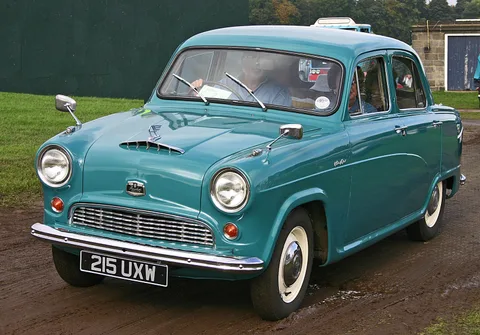
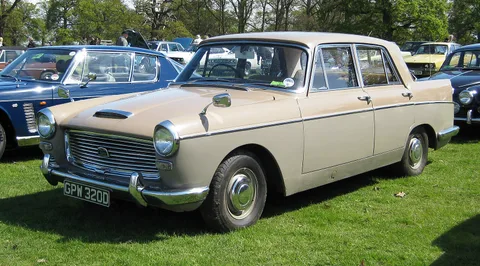
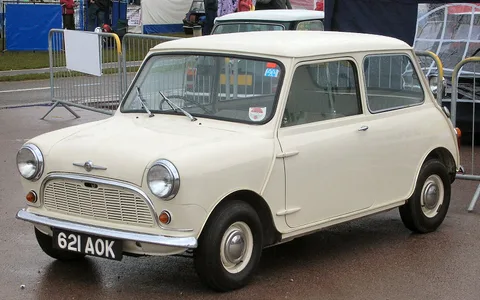
Morris Eight
1935–1948 წლებში Morris-მა ოთხკარიანი Morris Eight ააწყო, რითაც Ford Model Y-ის სქემა მიითვისა და კომპანია ისევ ბრიტანული ავტოინდუსტრიის წამყვან ადგილს დაუბრუნდა. ეს მოდელი ძველი Morris Minor-სა და ომის შემდგომ პოპულარულ Morris Minor-ს შორის ბმად გახდა.
შექმნის მიზანი
1930-იანი წლების შუაში Ford Model Y გიგანტური რაოდენობით იყიდებოდა, Morris-ს კი ანალოგიური მოდელი არ ჰქონდა. Eight-ის დაბადებით კომპანიამ პირველად ავტომობილის მაძიებლებსა და ფლიტებს დაათვალიერებინა კიდევ უფრო იაფი, მინიატურული ტაქსი. გეგმამ გაამართლა: მანქანის ნაკადმა ადგილი სწრაფად მიიღო და Morris კვლავ ბრიტანულ წამყვან ადგილს დაუბრუნდა.
დიზაინი და ტექნიკა
ბამპერიდან ცრემლაის კარიერებამდე Eight-ის კარკასი Ford-ის ენის გამოსხივვა იყო. მექანიკურად ყველაფერი მარტივი: გვერდებით საქეებიანი ოთხცილინდრიანი, სამსიჩქარიანი ყუთი, ფორთოხლის ფოთოლპურები. წონა და ღირებულება ისე შეამცირეს, რომ კონკურენტებს საერთოდ მოერია.
ტარება 1935-დან 1948-მდე
მოდელი ომამდეც და მის დროსაც უწყვეტად იწერებოდა. ცვლილებები მინიმალური იყო: ახალი ფარები, შიდა ინტერიერის პატარა განახლებები, მარტივი სალონი – ყველაფერი ეკონომიკისთვის. მთავარი პაკეტი შეუცვლელი დარჩა. 1948-ში მისი ადგილი უკვე ახალმა Morris Minor-მა დაიკავა.
Აზრა
ომის ბოლოს ჩამოყალიბებული მოდელი 150 000-ზე მეტი ცალით ბრუნდებოდა Cowley-ს ქარხნიდან და გზებს, ტაქსის სადგომებსა და თბობის ავტომობილებად პირველადი ომის დროს ხდებოდა ერთ-ერთი ყველაზე ხშირი ხედვა.
English version
Produced by Morris Motors from 1935 to 1948, the Morris Eight resurrected the company's standing with a small family car formula borrowed from Ford’s Model Y. It bridged the gap between the earlier Morris Minor and the post-war Morris Minor we know today.
Background and Purpose
In the mid-1930s, the Ford Model Y was moving large volumes in the UK, leaving Morris without a direct rival. Morris responded with the Eight—a similar-size, even more affordable runabout aimed at first-time buyers and fleet operators. The strategy worked immediately: production numbers rose and Morris reclaimed the top spot among British car makers.
Design
From the grille to the teardrop fenders, the Eight’s sheetmetal was a clear adaptation of Ford’s small car language. Mechanically it stayed simple—side-valve four, three-speed gearbox, leaf springs—while trimming weight and cost to undercut the established competition.
Production Span
Running continuously through the pre-war and wartime economy, the Eight evolved only in detail: better lighting, minor interior upgrades, and simplified trim to cope with austerity. Despite these tweaks, the core package remained unchanged until 1948, when Morris introduced the all-new Minor to take over the segment.
Impact
By the time production ceased, well over 150,000 units had left the Cowley plant, making the Eight not only a volume leader for Morris but also a fixture in British streets, taxi ranks and military support roles during the war.