MG MGA
წარმოება: 1955–1962
1955 წელს, კიდე დაბადების წვნილივით, MG MGA მოევლინა სამყაროს, რათა შეცვლოდა ომამდელი MG T-type-ის. ეს იყო პირველი თანამედროვე MG, რომელიც გადავიდა monocoque-ზე და აეროდინამიკაზე იზრუნა. სამწუხაროდ, ბრიტანეთის BMC-მ მხოლოდ შვიდი წელი აწარმოა, მაგრამ სწორედ აქ დაიდო საფუძველი MGB-ს იმ ადეკვატურ წარმატებას.
ისტორია
MGA თავად იყო პერანგის ქვეშ რომელიღაც Austin-ისა და Morris-ის სედანისთვის დასახატი დიზაინი. Abინგdon-ის ქარხანა კარგად იყო, მაგრამ ცარიელი. ამიტომ ვიღაცამ თქვა, „თავისუფალი ხაზი მივცეთ Sportს!“ 1955 წლის სექტემბერში, ფრანკფურტის შოში, ჩვენ გაუსვენად წარგვადგინეს და გაყიდვებმა ენითაღუმთხვა მსოფლიო. კომპლექტები უკვე ავსტრალიაშიც და სამხრეთ აფრიკაშიც გადის.
დიზაინი
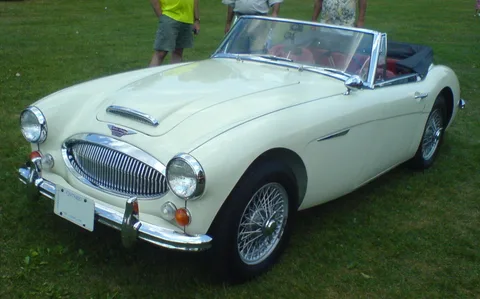
თუ ამას მიახლოვდებით, 3.96 მეტრი იდგება და მხოლოდ 1.27 მ-ზე დგას. წონაც საერთოდ 902 კგ-ია. მთავარი გარეგანი ნიშანი: მრგვალი შუშა დაფენილი დააქვს, სანიშნეები კუთხეებში აფეთქებენ, წინა დასპარაზული ვინგები ფარნებითაა „შეერტებული“. პირველად MG-მ separate frame-ს სკამი აუფრიალა და monocoque-ზე გადავიდა — მყიფე ფურცელი შევიდა და ხურჯინი გამოვიდა.
მართვიდა შესრულება
პირველ ტალღაში იყო BMC-ს ახალშობილი 1.5-ლიტრიანი B-series, 72 კთ, მახსოვს. 162 კმ/სთ მიგაქვს ზედა სიჩქარედი და სიცილიც იყო. 1958 წელს გამოჩნდა Twin-Cam, 108 ცხენი, 188 კმ/სთ — ურა ასით ათავისუფლდებით, მაგრამ ერთ-ერთი ჰიდრავლიკს შებერავდა და მერე ორიოდე არ გააწყობდი. მაგრამ 1.6 ლიტრისათვის დაბრუნებამ ყველაფერი მონიშნა: ენდურანს შორები, რალები და მოგებები.
მემკვიდრეობა
შვიდ წელიწადში — 101 000-ზე მეტი მანქანა, როგორც roadster, ასევე coupé. MG-ს საგარეო ექსპორტი ისევ ფეხზე წამოვიდა, მსოფლიო ახალგაზრდა აუდიტორია გამოჩნდა. monocoque კონცეფტი და suspension-ს გეომეტრია პრაქტიკულად ხელდაუხებლად გადავიდა MGB-ში, რომელმაც მერე 18 წელიწადი გვასიამოვნა. აქედან გამოდის, MGA იყო სწორედ ის ეტაპი, რომელმაც MG „ძველი სტილი“ → „ახალი“ გადაკვეთა.
English version
Introduced in 1955 as a clean-sheet replacement for the pre-war MG T-type, the MG MGA was the first modern MG sports car with complete unitary construction and wind-cheating aerodynamics. Built for just seven years by the British Motor Corporation (BMC), it laid the groundwork for its even more popular successor, the MGB.
History
The MGA emerged from a design originally penned for the Austin and Morris saloon range. Excess production capacity at MG's Abingdon factory allowed a fully fledged sports car to be developed, and the MGA debuted at the Frankfurt Motor Show in September 1955, immediately boosting global MG sales and even shipping in kits to Australia and South Africa.
Design
At 3.96 m long and only 1.27 m tall, the low-slung body rode on a 2388 mm wheelbase and weighed just 902 kg. Distinctive features included wrap-around ‘greenhouse’ glazing, flared front wings with integrated headlights, and a pronounced crease along the beltline. It was the first MG to abandon separate chassis construction, using a stressed steel monocoque that improved rigidity while saving weight.
Performance
Initially powered by a new 1489 cc BMC B-series engine producing 72 kW (97 bhp), the MGA could reach 162 km/h (101 mph). In 1958 the MGA Twin-Cam arrived with a 108-bhp DOHC cylinder head for 188 km/h (117 mph), but reliability issues curbed ambitions. Later 1.6-litre variants restored dependability and long-distance rally success.
Legacy
With over 101,000 units sold across roadsters and coupés, the MGA revived MG’s post-war export fortunes and introduced the marque to a younger, international audience. Its unitary body concept and suspension geometry were carried largely unchanged into the 18-year production run of the 1962 MGB, underscoring the MGA’s role as the pivotal transition from MG’s ‘old school’ to modern sports car.