Austin Princess
1947-დან 1968-მდე, Austin Princess ბრიტანული ფლიგმანის სიმბოლო იყო — Austin-ისა და Vanden Plas-ის ერთობლივი შედევრი, რომელმაც საომარი ქაოსის შემდგომ სიმარტივესა და 60-იანების VIP მოთხოვნას შორის ხიდი გადმოუგდო.
ისტორია
BMC-მ Princess 1947 წელს გამოუშვა, Austin 28-ის შემცვლელად, უფრო მაღალ სეგმენტში. დასაწყისში Longbridge-ში აწყდებოდა, მერე კი Vanden Plas-მა შეიფარა. ორი სრული პლატფორმის განვითრება მთავრდება 1968-ში, როცა სახელგანთქმული Vanden Plas Princess 4 Litre Limousine-მა ფლაგმანი შეირგა.
დიზაინი და განთავსება
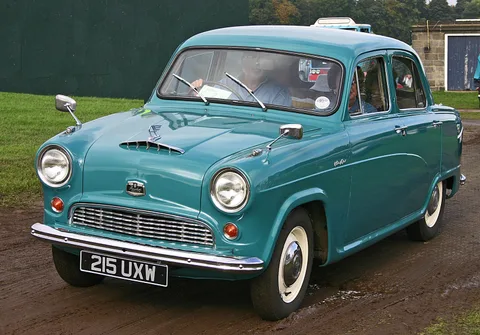
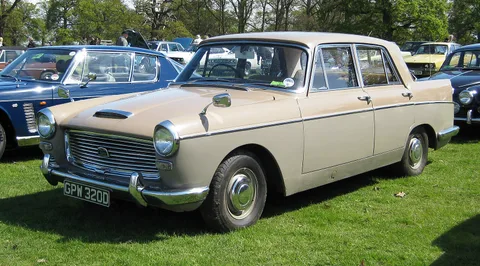
გრძელი კაპოტი და სწორი რადიატორის ბადე ბრიტანულ გზაზე გამოარჩევდა Princess-ებს. მარკირება იცვალა — Austin Princess-დან Princess-ამდე, შემდეგ Vanden Plas Princess-ამდე — მაგრამ ყველა საერთო ოჯახურ სახეს ინარჩუნებდა: ამაყი, მძღოლის ტელეშოკის ნაცვლად სახელმწიფოს ჩაცმული ტრანსფერი.
მემკვიდრეობა
1950-60-იანების მოკლე, ბრიტანულ ფლაგმანებში Princess იმავ პოლიეთილენის საფარს არ მიეფარა. სამთავრობო აგენტურები, საელჩოები, მინივენ-კომპანიები — ყველა Princess-ს იყენებდა. საჯარო ღონისძიებებზე სურათი გამოჩერებული ემბლემა ჩვეული ბრენდხული იქნება, სანამ Rolls-Royce-მ და Daimler-მა ბოლომდე ჩაიგდეს ტახტი.
English version
From 1947 to 1968, the Austin Princess line offered British buyers large, formal luxury through a collaboration between Austin and Vanden Plas, bridging post-war austerity and the early-sixties VIP market.
History
BMC launched the Princess in 1947 as a premium saloon, taking over from the Austin 28 and positioning it above mainstream Austins. Built first at Longbridge and later by coach-builder Vanden Plas, the series evolved through two distinct chassis generations until 1968, when the flagship role passed to the Vanden Plas Princess 4 Litre Limousine.
Design & Positioning
Long-nose proportions and upright grille work gave the Princess unmistakable presence on British roads. Though badged variously as Austin Princess, Princess, and Vanden Plas Princess, all models shared a clear family look that signified chauffeur-grade transport rather than owner-driven sportiness.
Legacy
As one of the few remaining British luxury saloons not imported during the 1950s and ’60s, the Princess served government agencies, embassies, and hire-fleet operators. Their visibility at state events helped cement the marque’s reputation before the segment was finally ceded to Rolls-Royce and Daimler.